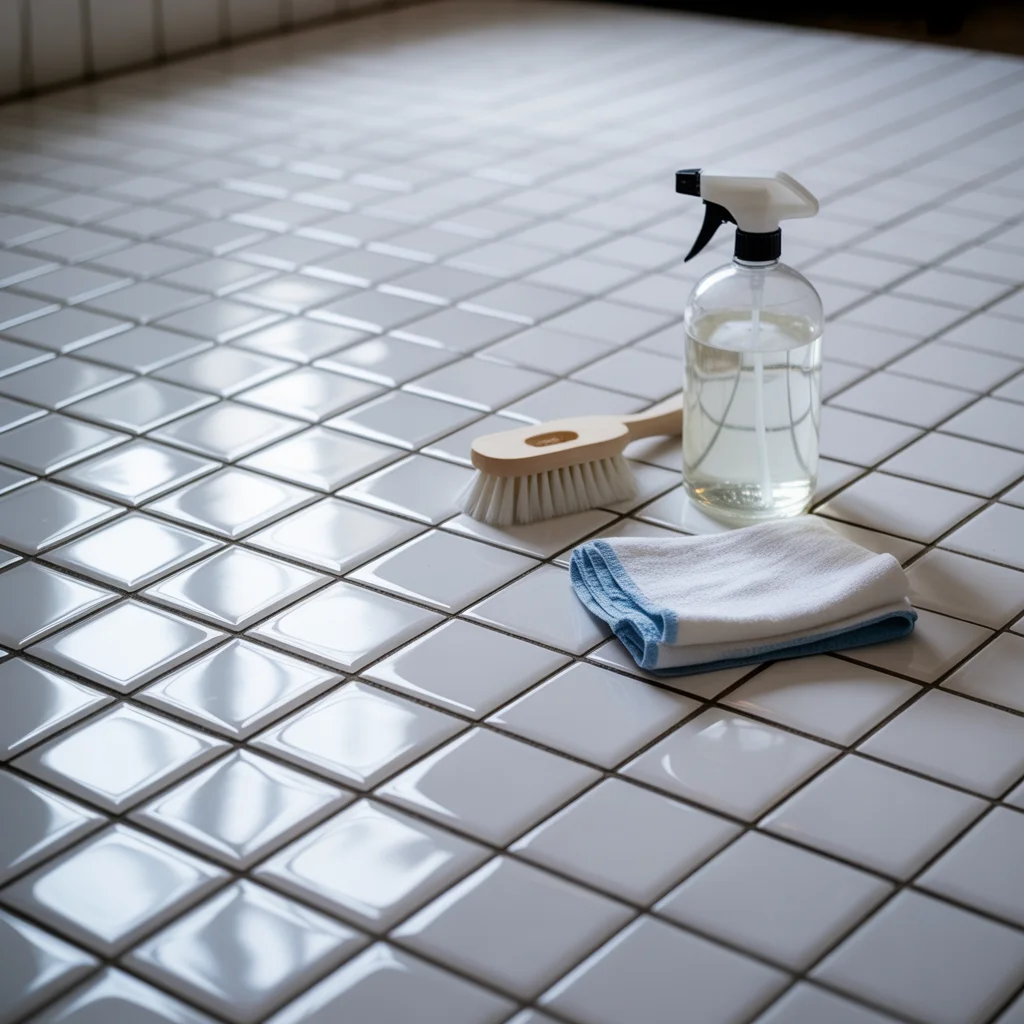
How to Clean Grout on Tile Floors
Cleaning grout on tile floors is one of those tasks most of us put off until the floor starts looking older than it really is.
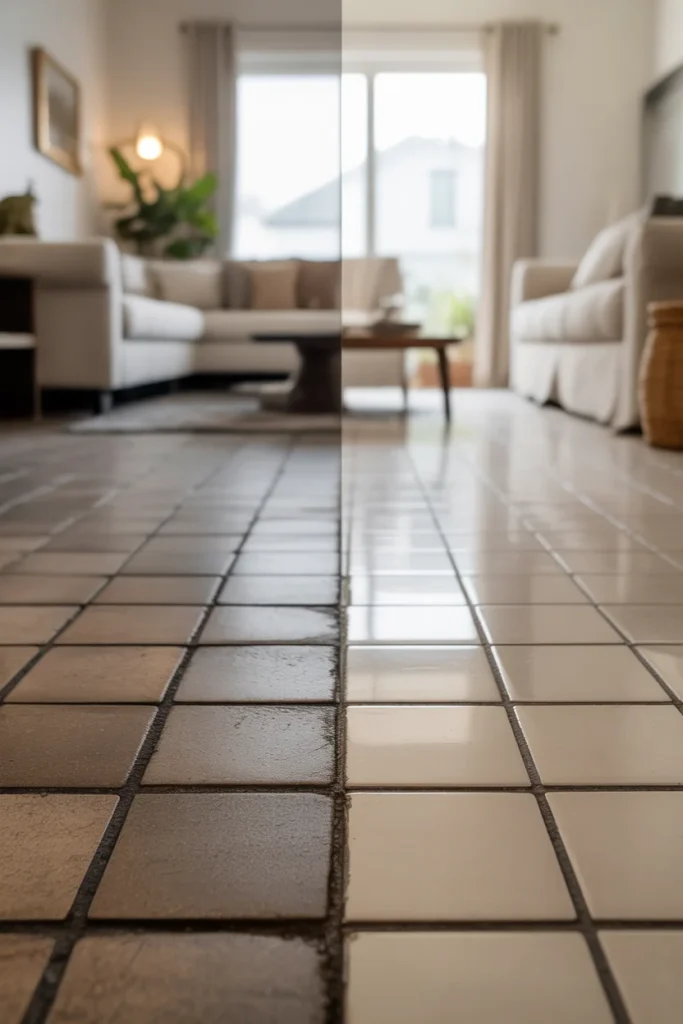
I’ve been there. You mop regularly, the tiles look fine, but the grout lines slowly turn dull, grey, or even grimy. The good news is you don’t need fancy tools or harsh chemicals to bring it back to life.
Here’s a straightforward, real-world approach that actually works.
Why Grout Gets So Dirty
Grout is porous, which means it absorbs dirt, grease, and moisture over time. Even if your tiles are clean, the grout holds onto everything you don’t see right away.
In kitchens, it’s usually grease and spills. In bathrooms, it’s moisture and mildew. And in high-traffic areas, it’s just everyday dirt getting pressed in.
What You’ll Need
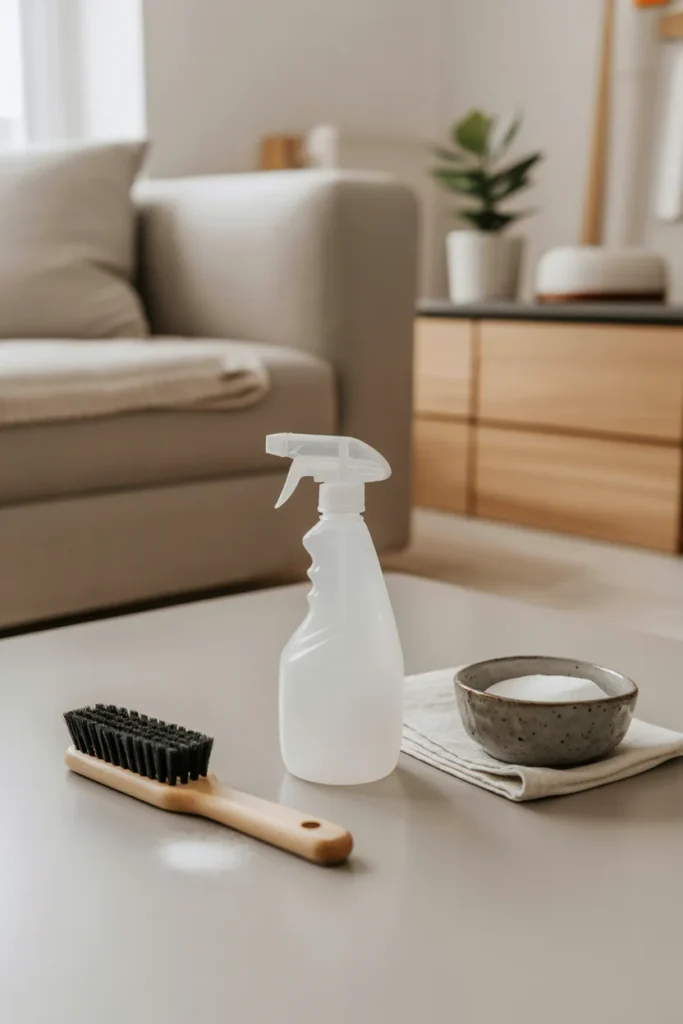
Before you start, gather a few basics. You likely already have most of these at home:
- Baking soda
- White vinegar
- Warm water
- A small brush (an old toothbrush works perfectly)
- A spray bottle
- A clean cloth or mop
If your grout hasn’t been cleaned in a long time, you might also want a stronger cleaner, but start simple first.
The Method I Always Come Back To
This is the method I personally rely on because it’s simple and surprisingly effective.
Step 1: Make a Paste
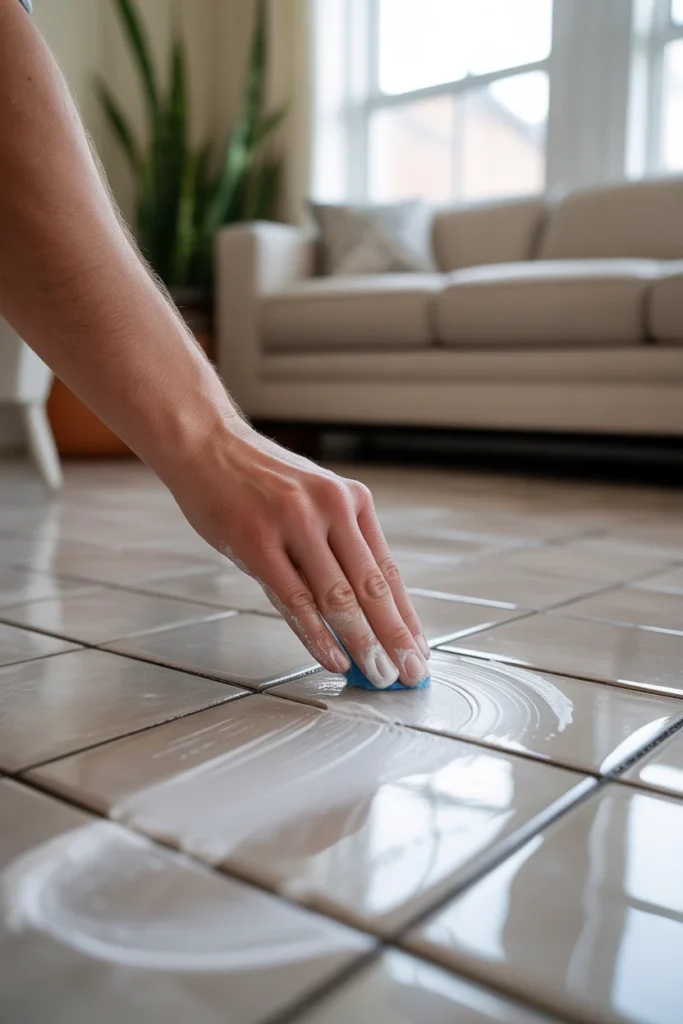
Mix baking soda with a small amount of water until it forms a thick paste. It should be easy to spread but not runny.
Step 2: Apply to Grout Lines
Use your fingers or a brush to apply the paste directly onto the grout. Don’t worry about being too precise.
Step 3: Spray with Vinegar
Fill a spray bottle with white vinegar and lightly spray over the baking soda paste. You’ll see it fizz. That reaction helps lift dirt from the grout.
Step 4: Scrub Gently
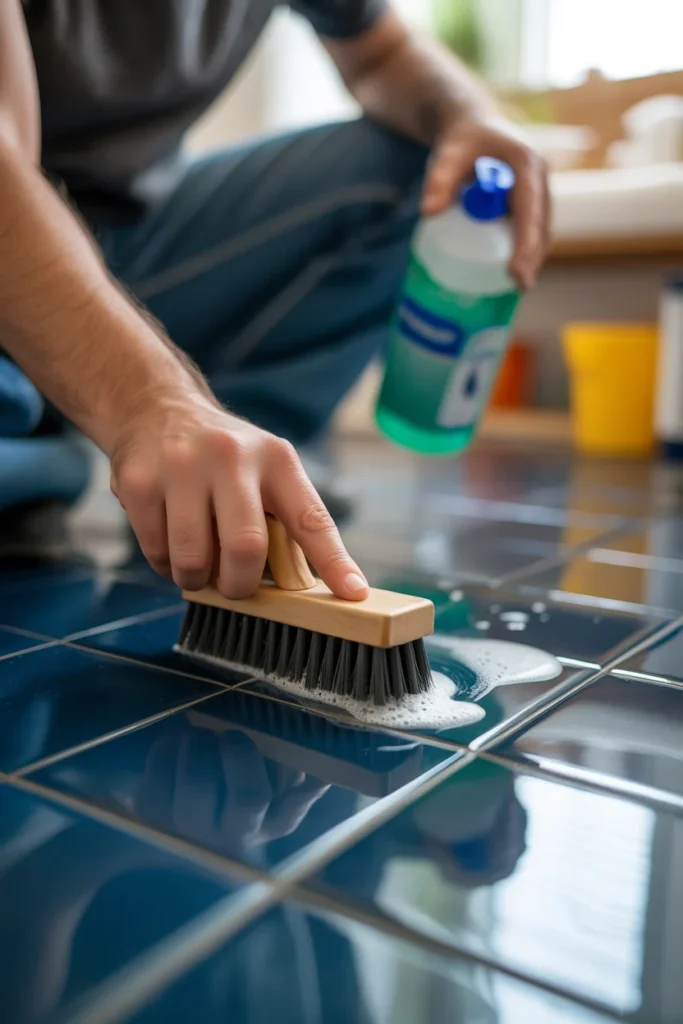
After a few minutes, scrub the grout lines using your brush. You don’t need to apply extreme pressure. Let the mixture do most of the work.
Step 5: Rinse and Wipe
Use warm water and a cloth or mop to clean the area. You should see a clear difference right away.
For Stubborn or Deep Stains
Sometimes grout needs a bit more attention, especially in older homes or neglected areas.
Here’s what helps:
- Use a grout brush instead of a toothbrush for better reach
- Let the baking soda paste sit longer before scrubbing
- Repeat the process instead of scrubbing harder
- Try a dedicated grout cleaner if natural methods don’t fully work
Avoid using overly harsh chemicals right away. They can wear down grout over time.
A Few Practical Tips
These small habits make a big difference:
- Clean grout in sections so it doesn’t feel overwhelming
- Dry the floor after cleaning to prevent moisture buildup
- Open windows or use ventilation, especially in bathrooms
- Seal grout once it’s clean to keep it from staining again
Sealing is something many people skip, but it really helps maintain that fresh look longer.
How Often Should You Clean Grout?

You don’t need to deep clean it every week.
A good rhythm is:
- Light cleaning: once every 1–2 weeks during regular mopping
- Deep cleaning: every 2–3 months, depending on foot traffic
If you notice discoloration, that’s your cue.
Final Thoughts
Clean grout can completely change how your floors look. It’s one of those small details that makes a room feel fresh and well cared for.
From my experience, the key is consistency, not intensity. You don’t need to spend hours scrubbing. Just give it a bit of attention regularly, and it never gets out of hand.
If you try this method once, you’ll see how satisfying the results are. It’s one of those simple home care wins that’s worth the effort.