


In This Article Show
A good reading nook does not need a whole room or a big budget. It just needs a corner, some thought, and a little personality.
Whether you are setting one up for yourself or creating a dedicated learning spot for your kids, these ideas will help you build something that actually gets used every single day.
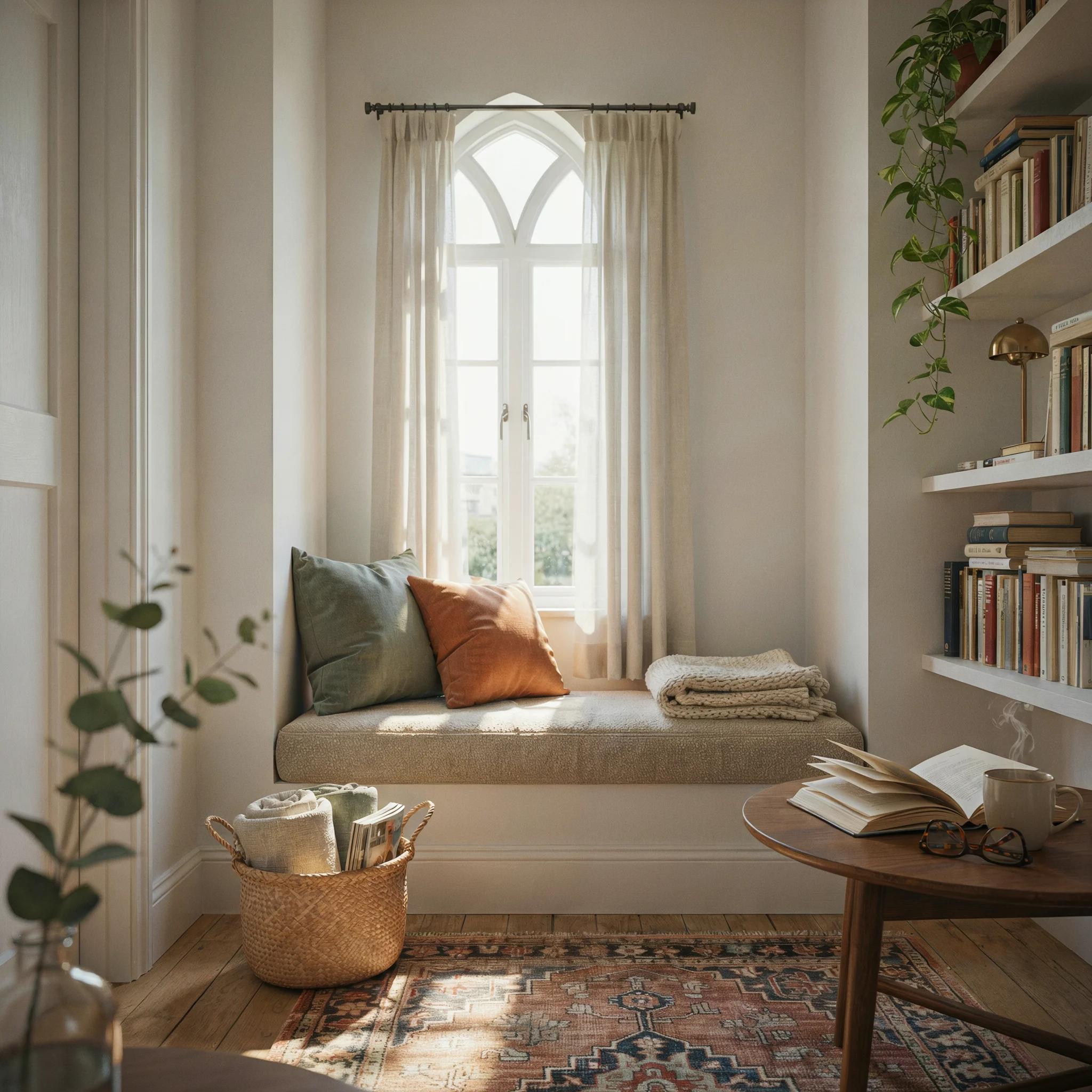
1. The Window Seat Classic
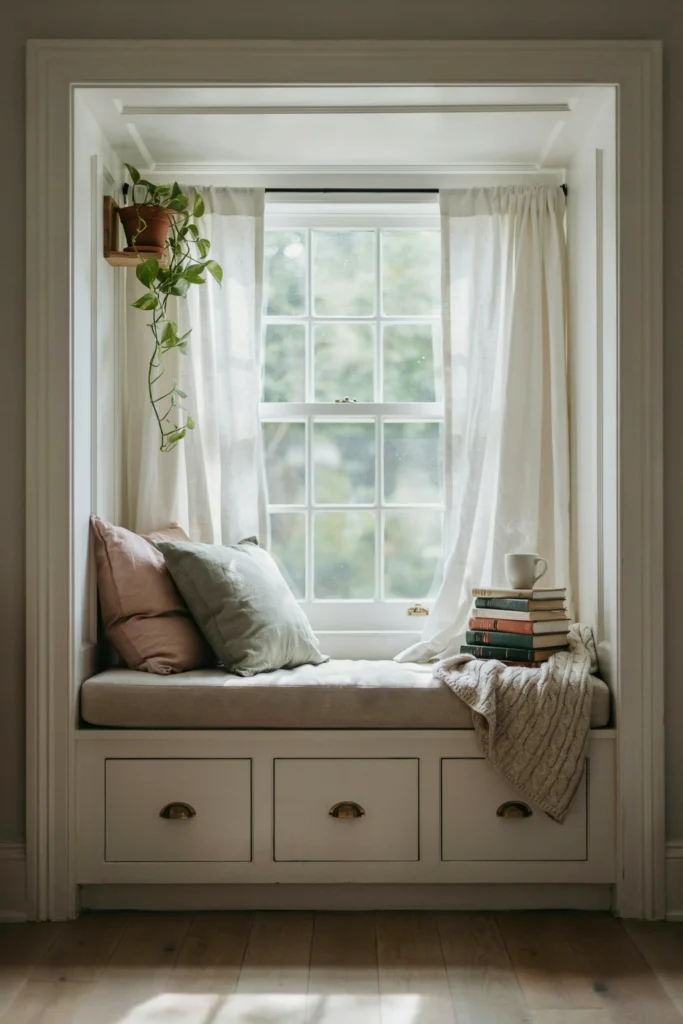
If your bedroom has a window with a deep sill or an alcove beneath it, you are already halfway there. Build or buy a cushioned bench that fits the width of the window and add a few throw pillows. The natural light does all the heavy lifting.
What makes it work:
- A thick foam cushion (at least 4 inches) for long reading sessions
- Roman blinds or sheer curtains to control glare
- Built-in drawers underneath for book storage
I used this setup in my own bedroom after years of reading hunched over my bed. The difference in comfort was immediate. I now spend at least an hour there every morning with coffee.
2. The Closet Conversion
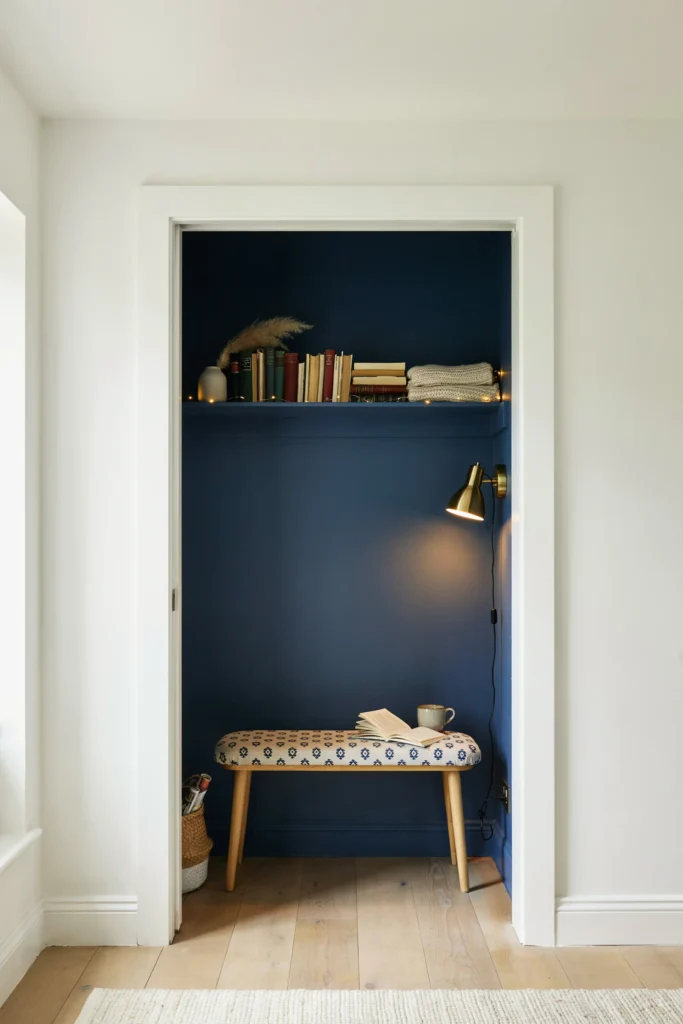
An unused reach-in closet is one of the most underrated reading nook opportunities in any home. Remove the doors, pull out the hanging rod, add a slim cushioned seat, plug in a small wall sconce, and you have a private little hideaway that feels surprisingly cozy.
Steps to make it happen:
- Remove closet doors and store them or repurpose them
- Add a low wooden bench or a built-in shelf seat
- Install a plug-in wall light or battery-operated sconce
- Use the upper shelves to organize your current reads
This works especially well in kids’ rooms where the enclosed feeling adds a sense of adventure.
3. The Corner Floor Nook
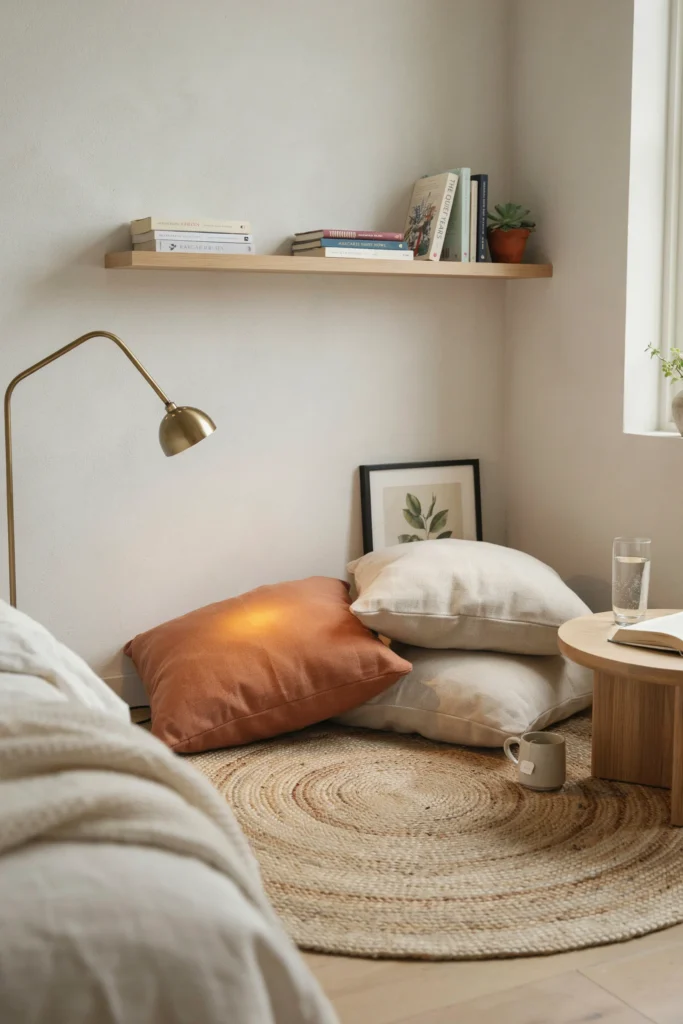
Not every reading spot needs to be raised. A floor-level setup using large cushions, a low bookshelf behind you, and a small area rug can feel incredibly intentional without spending much at all.
What you need:
- Two large floor cushions or a bolster pillow
- A jute or wool rug to anchor the space
- A low side table for your drink and lamp
- A wall-mounted shelf above for easy book access
This works beautifully in bedroom corners that feel awkward with traditional furniture.
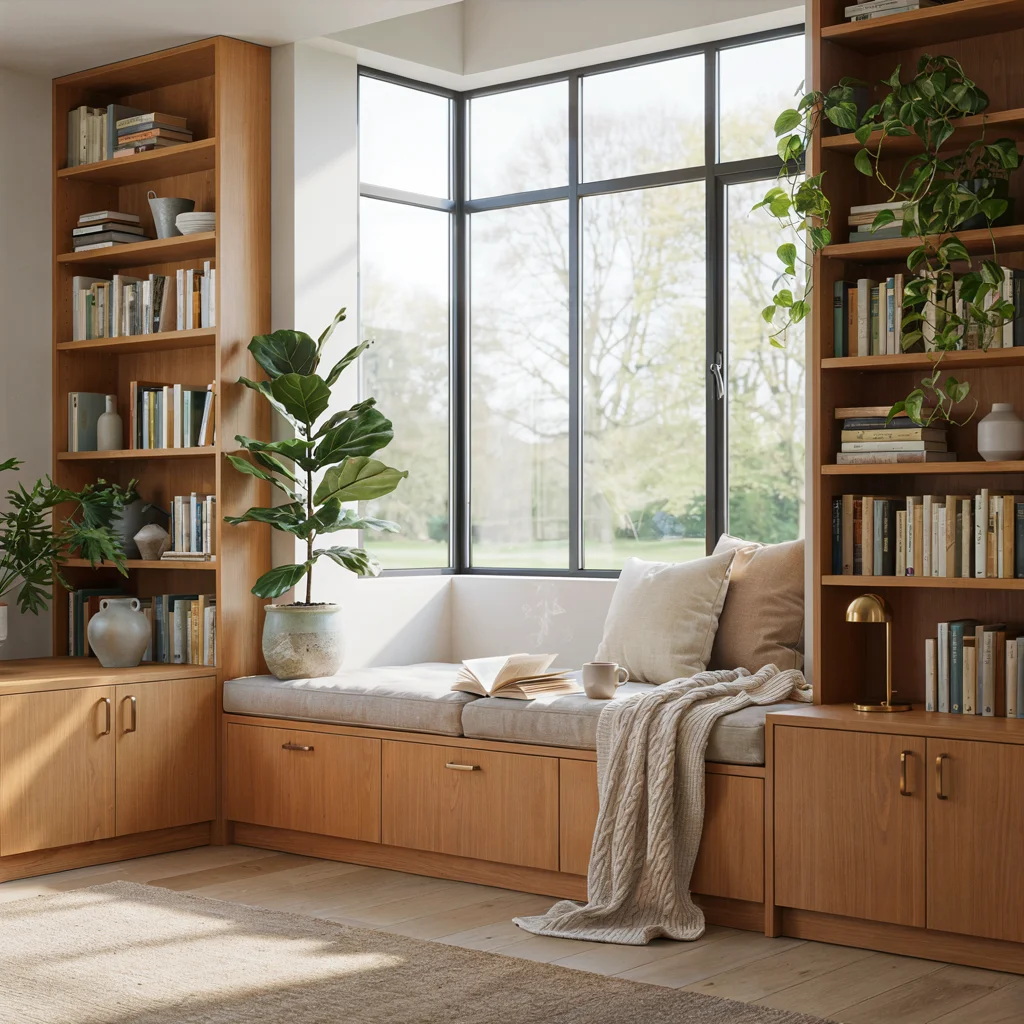
4. The Built-In Bookshelf Nook
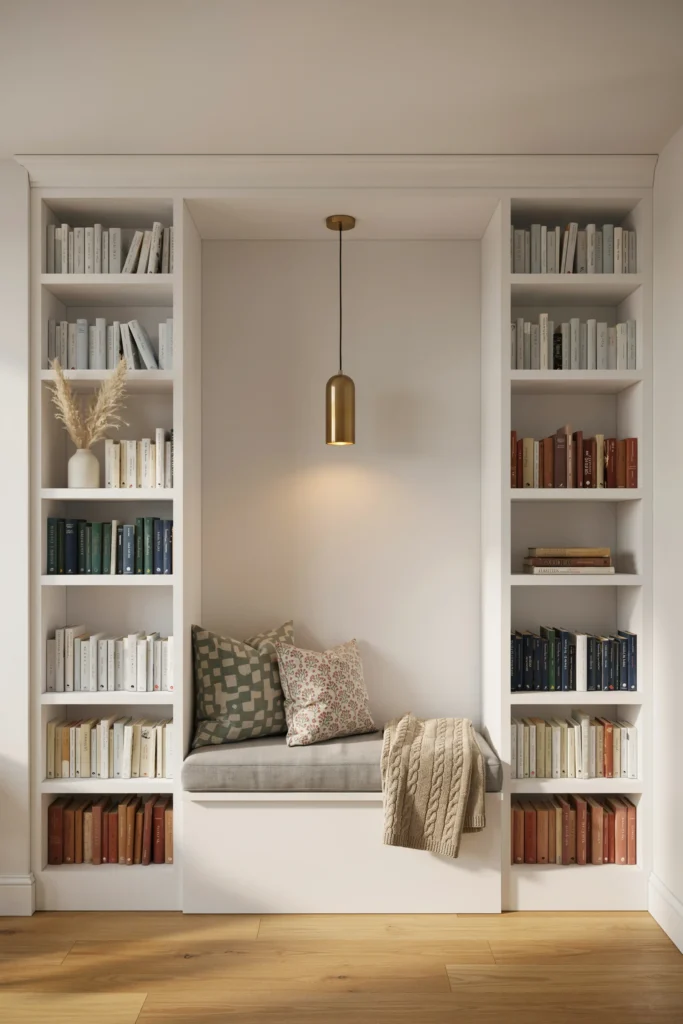
If you have two parallel bookshelves or you are open to installing them, placing a cushioned bench between them creates one of the most satisfying reading spots you can build. The books surround you, the seat sits snug between the shelves, and the whole setup looks like something from a design magazine.
Design tips:
- Keep shelves the same height for a cleaner look
- Use baskets on lower shelves to reduce visual clutter
- Add crown molding on top for a more finished feel
- Hang a pendant light above the seat instead of using floor lamps
See Also: 7 Japandi Reading Nook Ideas for a Calm and Cozy Escape
5. The Bay Window Transformation
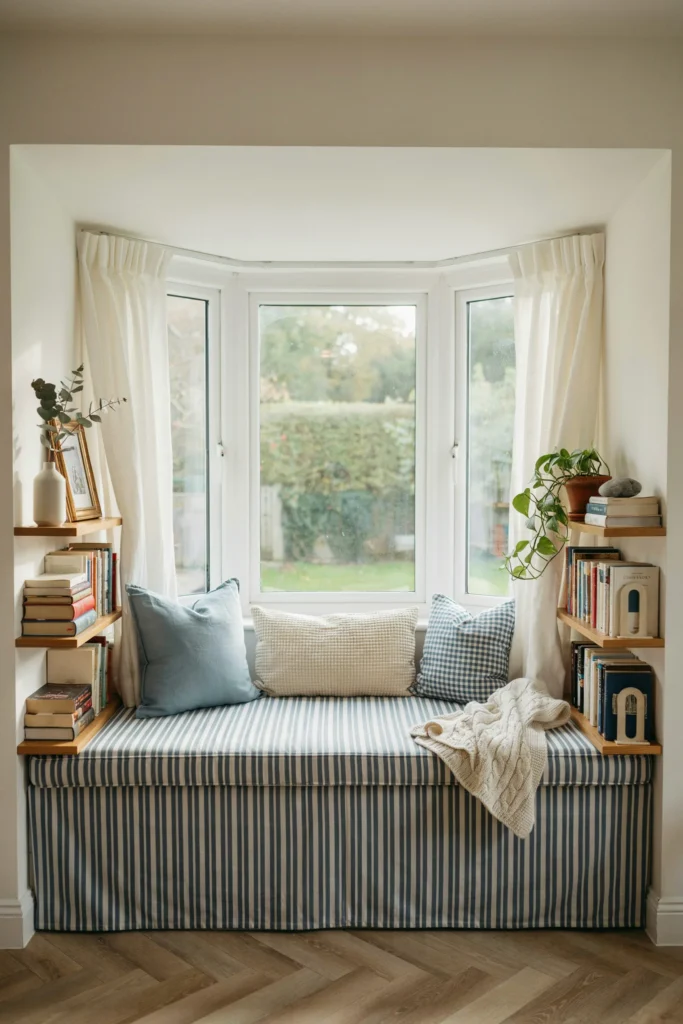
Bay windows often sit empty because people do not know what to do with the angled corners. A custom cushion fitted to the full bay turns it into the most desirable seat in the house.
Key features to add:
- A fitted cushion with outdoor-grade fabric for durability
- Side pillows tucked into the angled corners
- Low shelving or wooden crates on each side for books
- A small throw blanket draped over one armrest
I once helped a friend redesign her living room bay window into a reading nook, and her kids claimed it within two hours. It has not been empty since.
6. The Loft Bed Reading Cave
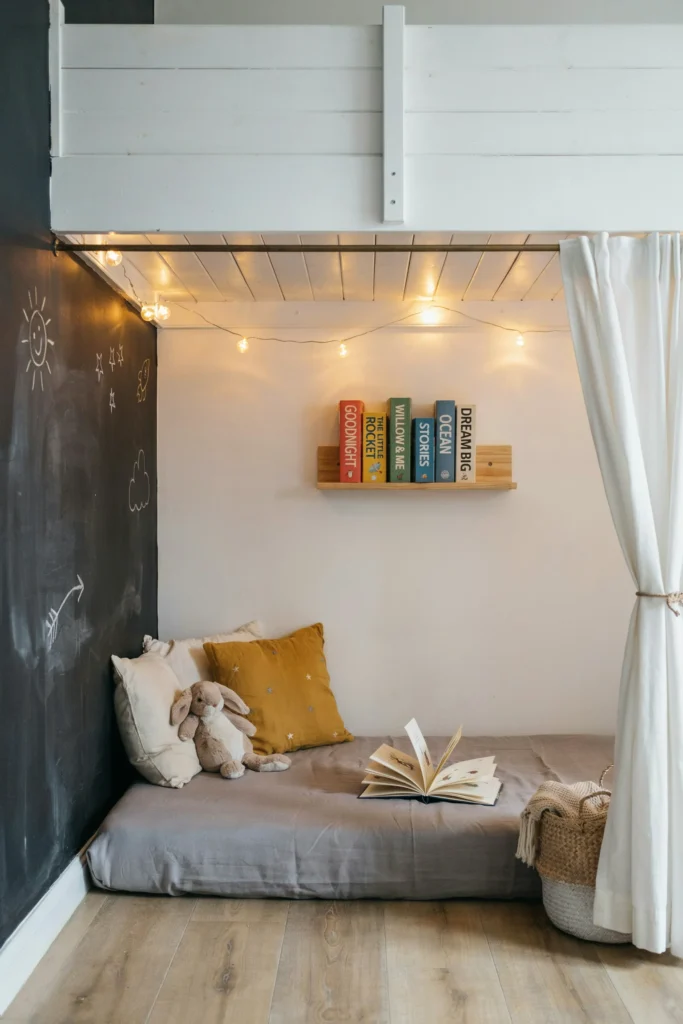
For children’s rooms or studio apartments, a loft bed creates natural dead space underneath. Instead of wasting it on storage you never touch, build a reading cave. Add string lights, a low mattress or cushion, and a wall-mounted book ledge. Kids especially love the enclosed, den-like feel.
What to include:
- String lights or a battery-powered LED strip for ambient glow
- A thin floor mattress or futon pad
- Chalkboard paint on one wall for creative expression
- A curtain across the opening for privacy
7. The Attic Alcove Spot
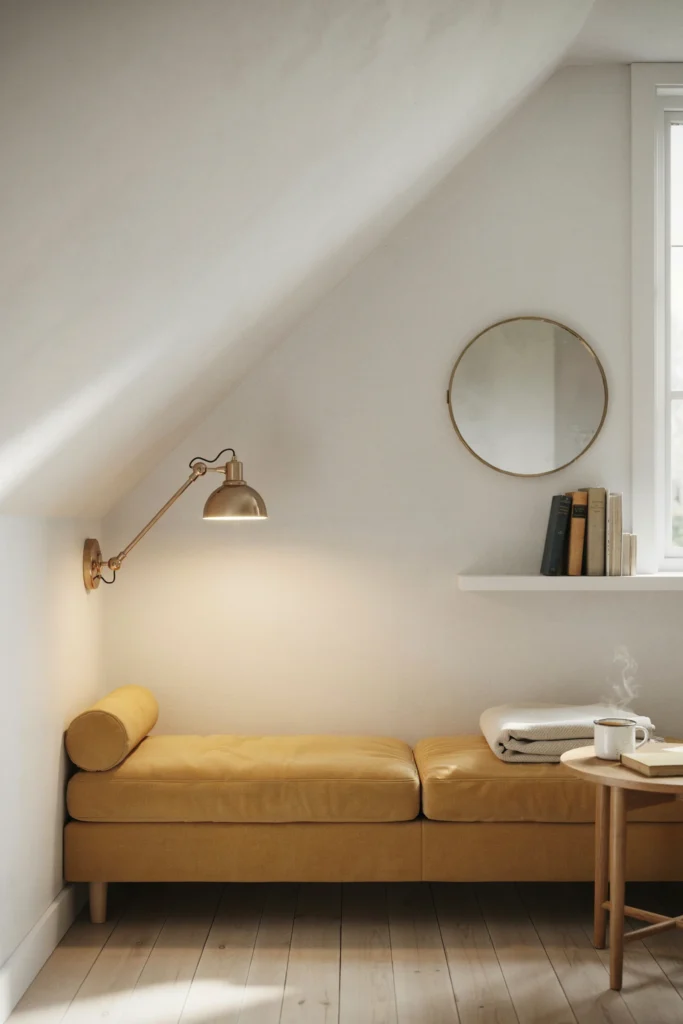
Sloped ceilings in attic bedrooms often create unusable corners. With the right furniture, those low-clearance corners become the best reading nooks in the house. A low cushioned seat, a small round side table, and a floor lamp that fits the ceiling height is all you need.
Tips for low-clearance spaces:
- Use furniture with shorter legs or no legs at all
- Choose a swing-arm wall lamp to save floor space
- Hang a small mirror on the sloped wall to open up the space visually
- Keep color light to avoid making it feel like a cave
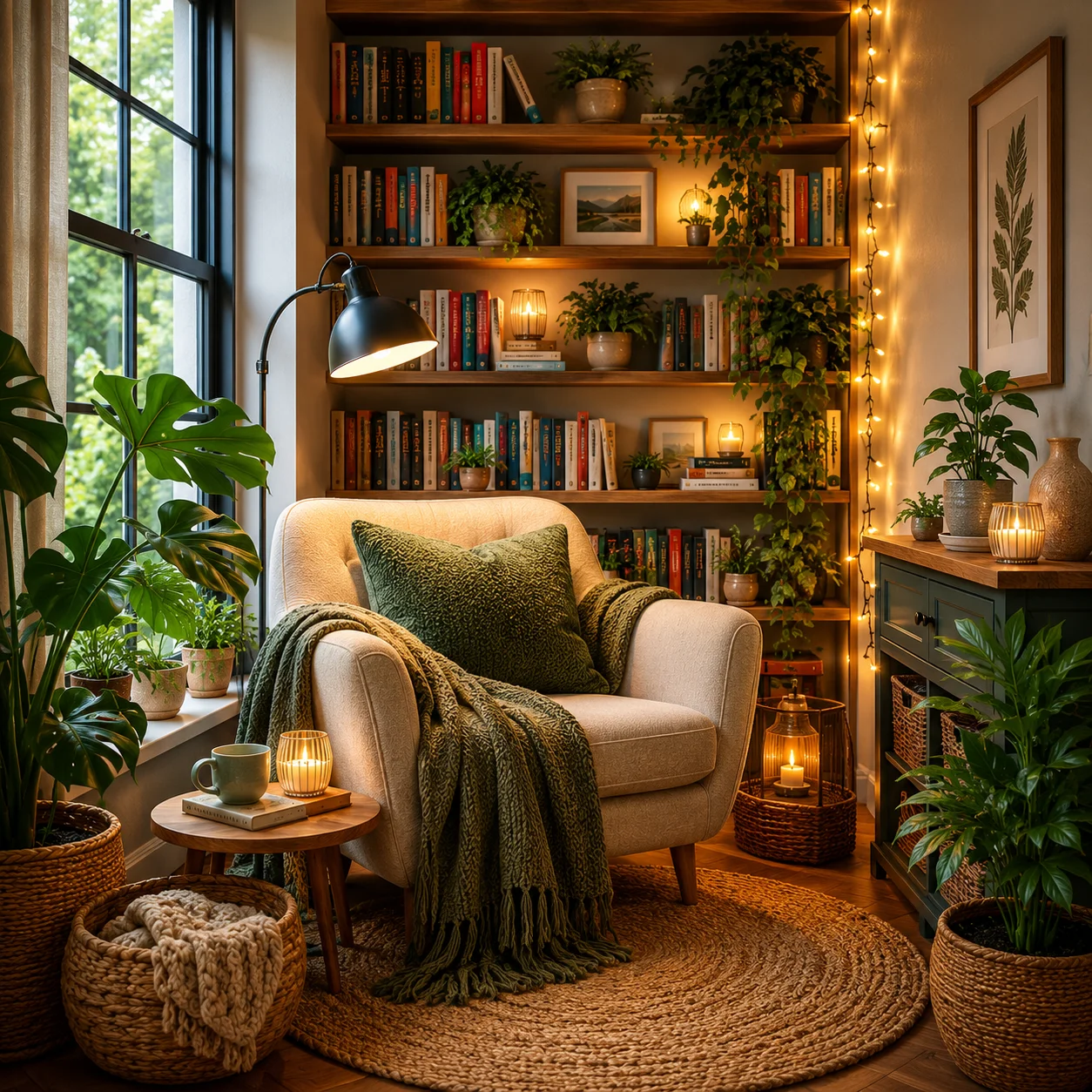
8. The Bedroom Reading Chair Setup
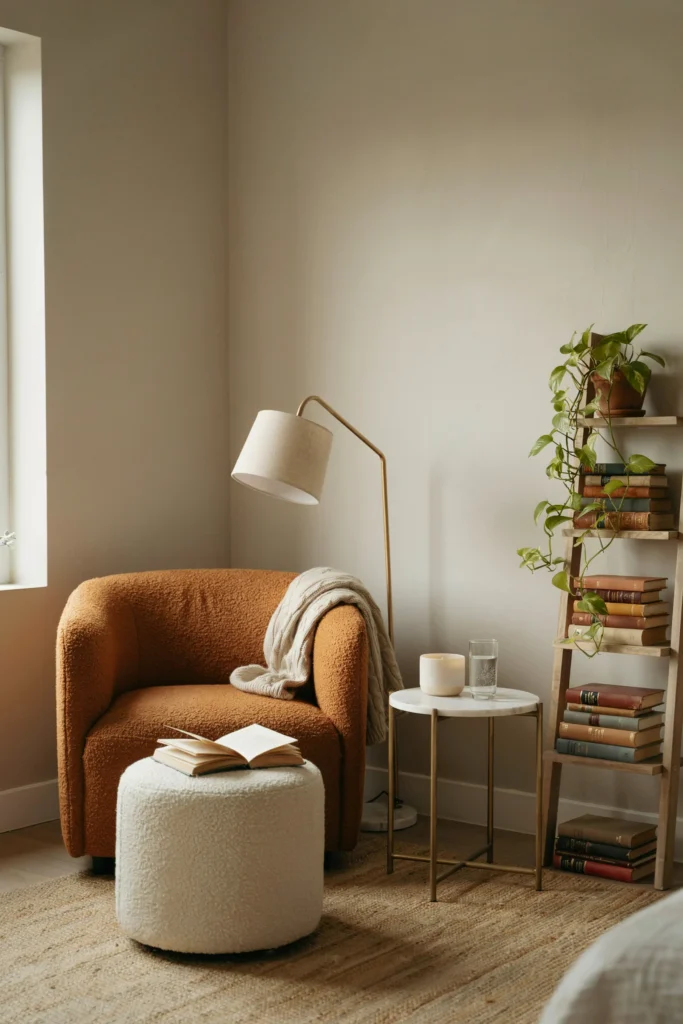
Sometimes a nook is simply a beautifully arranged reading chair in the corner of a bedroom. The key is to commit to the setup rather than treating the chair as an afterthought.
The essentials for a great reading chair corner:
- A deep, cushioned armchair with wide armrests
- A dedicated floor or arc lamp positioned over the left shoulder
- A small side table at the right height for a drink
- A wall-mounted shelf or ladder bookshelf within arm’s reach
- A footstool or ottoman to stretch your legs
The moment you add a proper light source and a place to set your drink, the chair transforms from bedroom furniture into an actual destination.
9. The Under-Stair Reading Spot
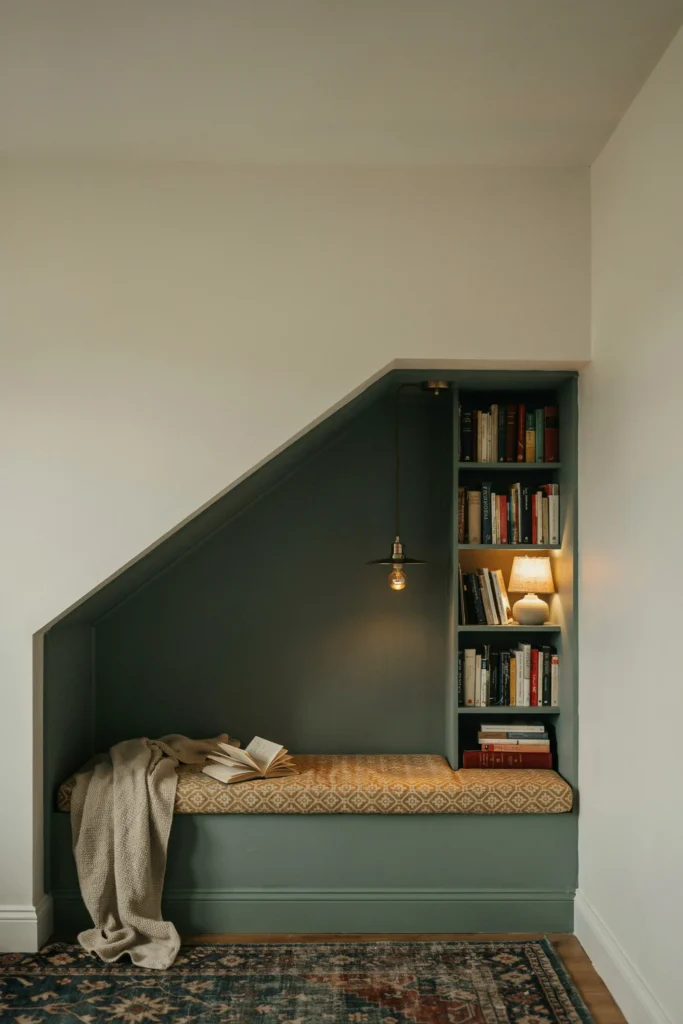
In homes where a bedroom sits near a staircase, the triangular space underneath can become a charming built-in nook. It takes some carpentry, but the result is a nook that looks intentional and adds real character to the home.
Design elements to consider:
- Built-in bench that follows the slope of the stairs
- Open cubbies alongside the bench for books and decor
- A small pendant light hanging from the underside of the stair
- Painted in a contrasting color to set it apart from the main room
10. The Kids’ Learning Nook
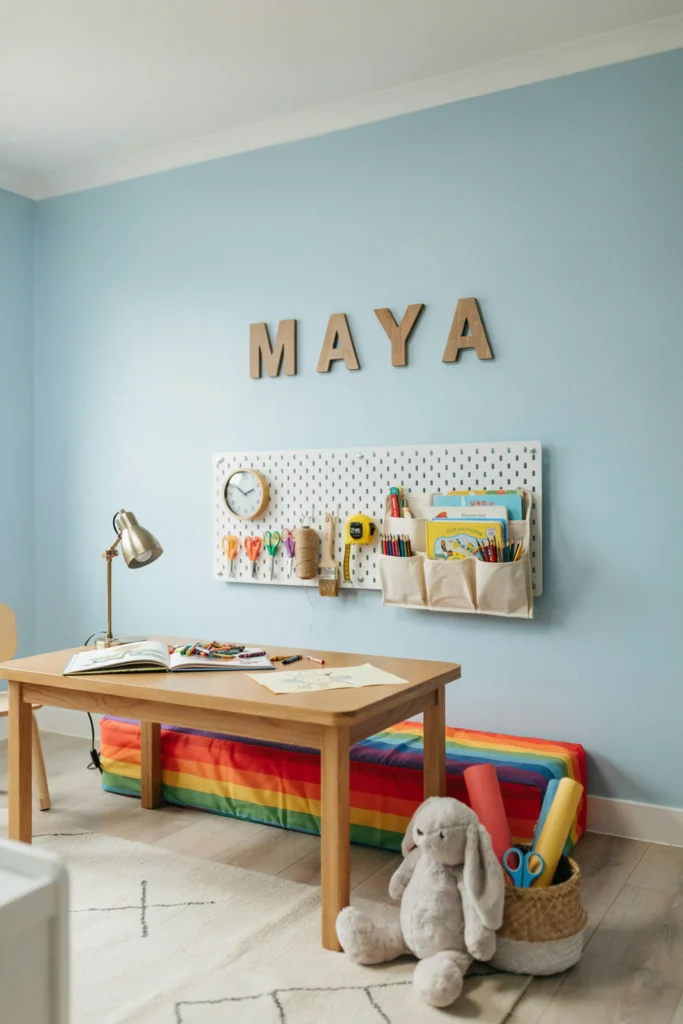
A reading nook in a child’s learning space should do double duty: it should encourage both quiet reading and focused study. The setup needs to feel exciting enough to draw them in but calm enough to keep them there.
What works well for kids:
- A low table paired with a floor cushion or small stool
- A magnetic or pegboard wall for organizing materials
- A canvas pocket organizer for books, crayons, and supplies
- Warm, adjustable lighting that works for both reading and drawing
- Their own name or initial on the wall to make it feel personal
Keep the space relatively distraction-free. A few carefully chosen items beat a cluttered shelf every time.
11. The Canopy Reading Nook
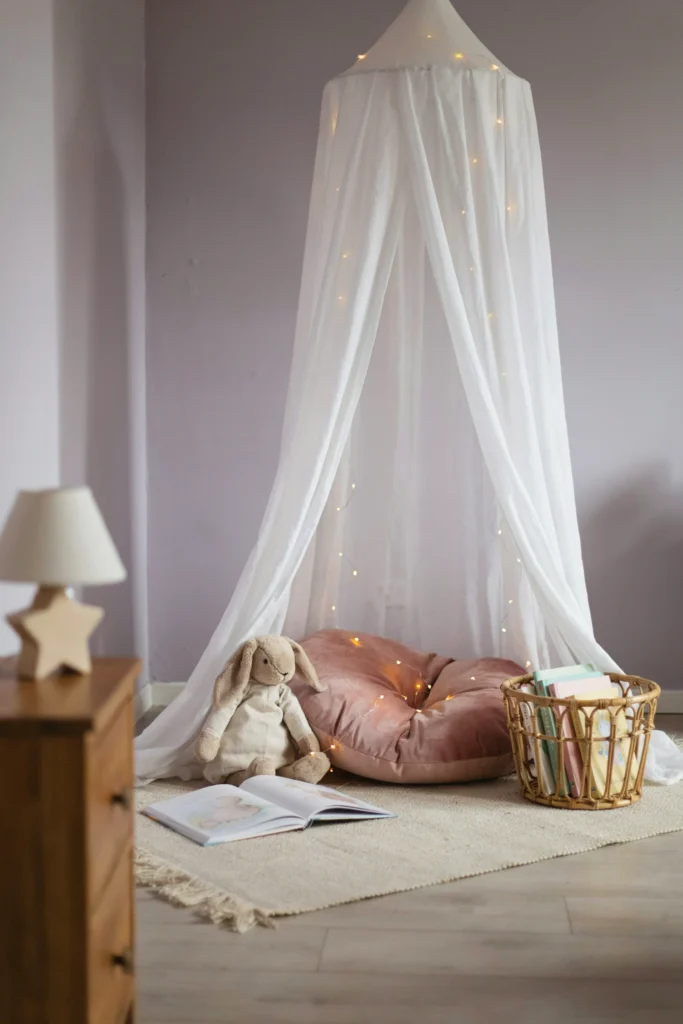
Draping fabric over a corner of a bedroom or child’s room instantly creates enclosure without building anything permanent. A simple canopy frame or ceiling-mounted curtain rod with sheer panels transforms an ordinary spot into something magical.
How to set it up:
- Mount a ceiling hook or use a four-poster bed frame as the anchor
- Use sheer white or blush curtains for a soft, dreamy look
- Place a round floor cushion or pouf inside
- Add fairy lights along the canopy for evening reading
This is one of the easiest and most affordable nook ideas on this list and works at any age.
12. The Minimalist Floating Shelf Nook
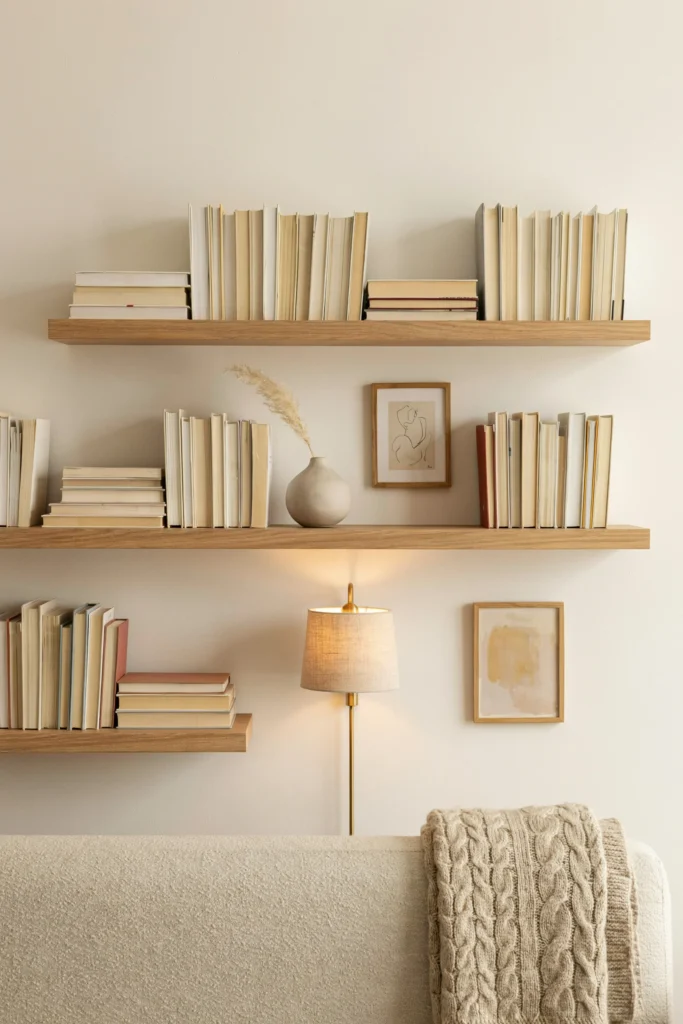
If your space is tight, a nook does not have to involve a seat at all. A cluster of floating shelves styled like a gallery wall but dedicated entirely to books, a small plant, and a candle creates a reading-adjacent mood that makes even a compact bedroom feel intentional.
How to style it:
- Mix horizontal and vertical shelf arrangements
- Group books by color for a cleaner visual
- Add one or two small framed prints between the shelves
- Include a plug-in wall sconce centered among the shelves
Pair this with a nearby chair or bed and you have a reading environment without needing a dedicated corner.
13. The Garden-View Reading Spot
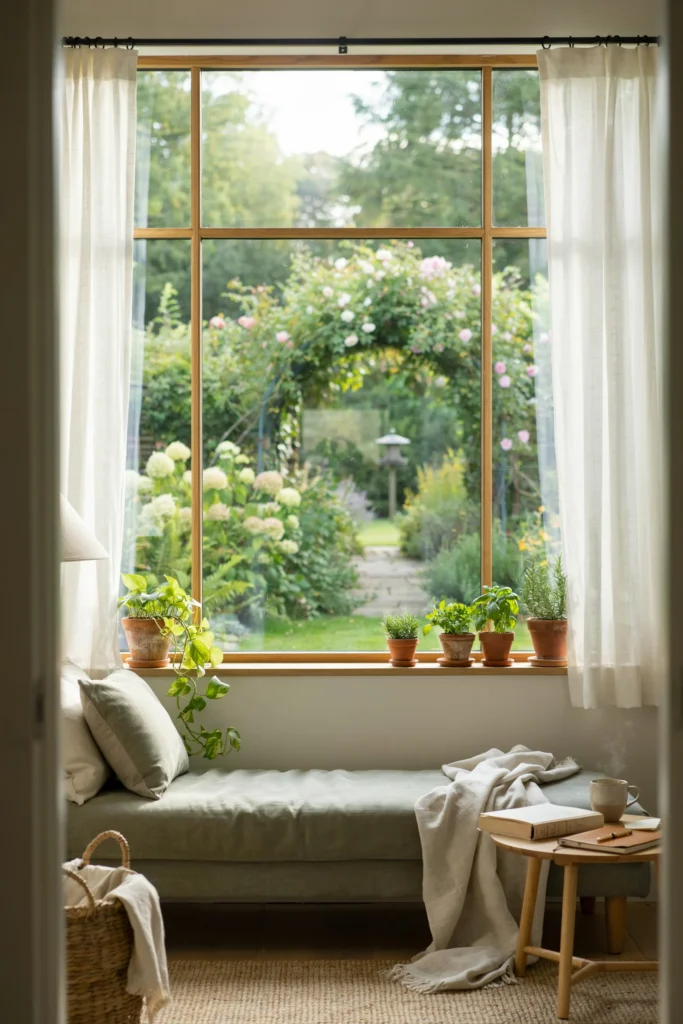
If your bedroom window looks out onto a garden, yard, or even a balcony, lean into it. Position a comfortable chair or floor cushion directly facing the glass and treat the view as part of the nook’s design. Natural scenery is genuinely calming and makes reading feel like a full sensory experience.
Details that elevate this setup:
- A window seat or chaise positioned parallel to the glass
- Potted plants on the windowsill to blur the indoor-outdoor line
- Lightweight curtains that frame without blocking the view
- A small tray table for tea, notes, or a journal
14. The Homework and Reading Hybrid Nook
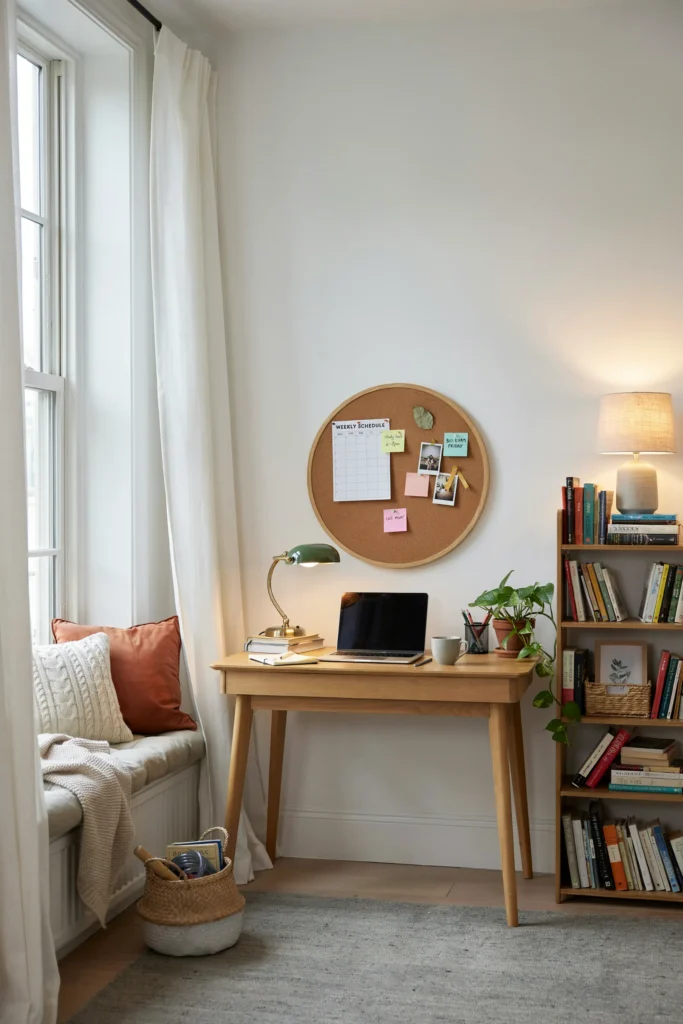
For a teenager’s room or a home learning space, combining a reading nook with a study area makes practical sense. The key is to create a zone that works for focused school tasks but still feels inviting enough for leisure reading.
What to include:
- A low-profile desk with an attached or adjacent bookshelf
- A cushioned bench or window seat nearby for lighter reading
- Good overhead task lighting plus a warmer lamp for downtime
- A pinboard or corkboard for organizing schedules and notes
- A comfortable desk chair that also works for curling up
Separating the work surface from the reading seat helps signal a mental shift between study mode and rest.
15. The Outdoor-Inspired Indoor Nook
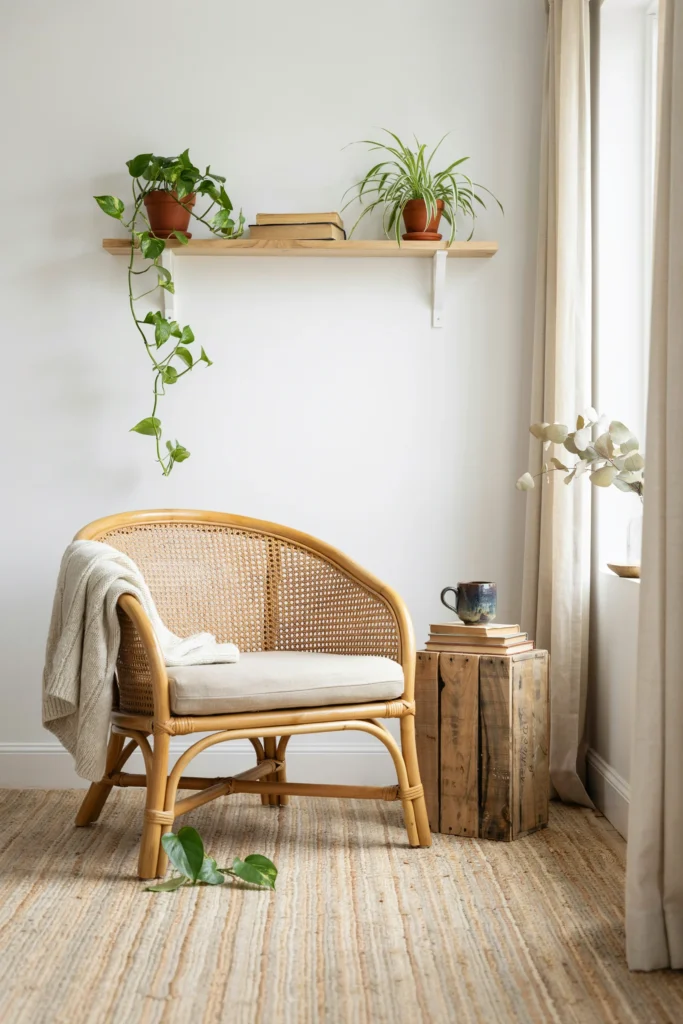
Bringing natural textures and materials inside creates a reading nook that feels grounded and calm. Think rattan chairs, woven baskets, wooden shelves, linen cushions, and live plants. The goal is to make the space feel like a retreat rather than just another corner of a room.
Elements that pull this look together:
- A rattan or bamboo chair with a thick cushion
- A sisal or jute rug underneath
- A wooden crate or woven basket as a side table
- One or two trailing plants on a nearby shelf
- Natural linen or cotton cushion covers in earthy tones
This style is especially effective in bedrooms with white or cream walls since the natural materials add warmth without overwhelming the space.
Final Thoughts
A reading nook does not have to be elaborate to work. The best ones are the spots people actually return to. Start with what you have, whether that is a quiet corner, an underused closet, or a window with good light. Add a comfortable seat, proper lighting, and a way to keep your books close, and you are done.
The ideas above range from simple chair arrangements you can set up this weekend to built-in designs that take more planning. Either way, the result is the same: a place in your home that is just for you, where the rest of the world can wait.