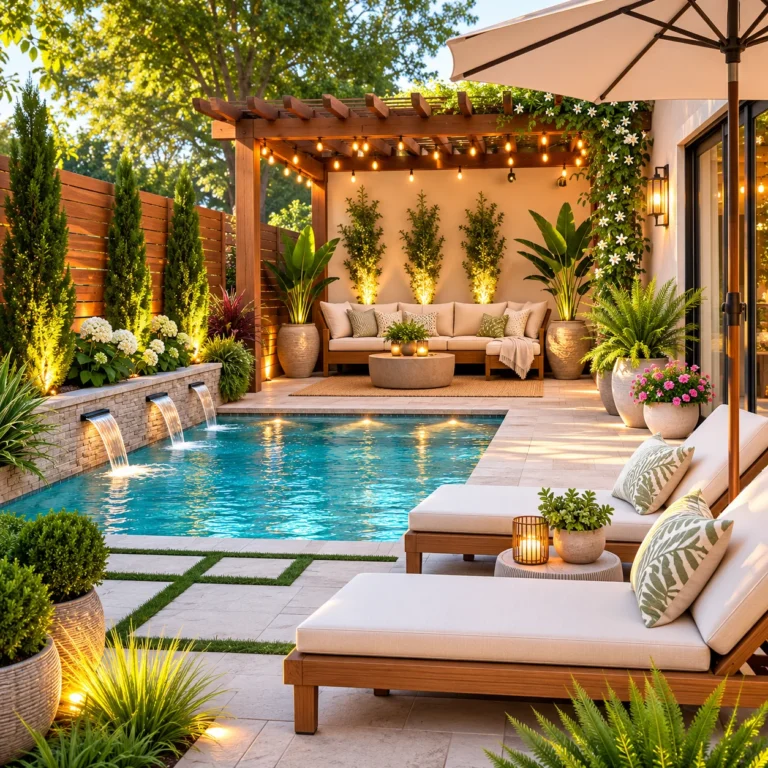
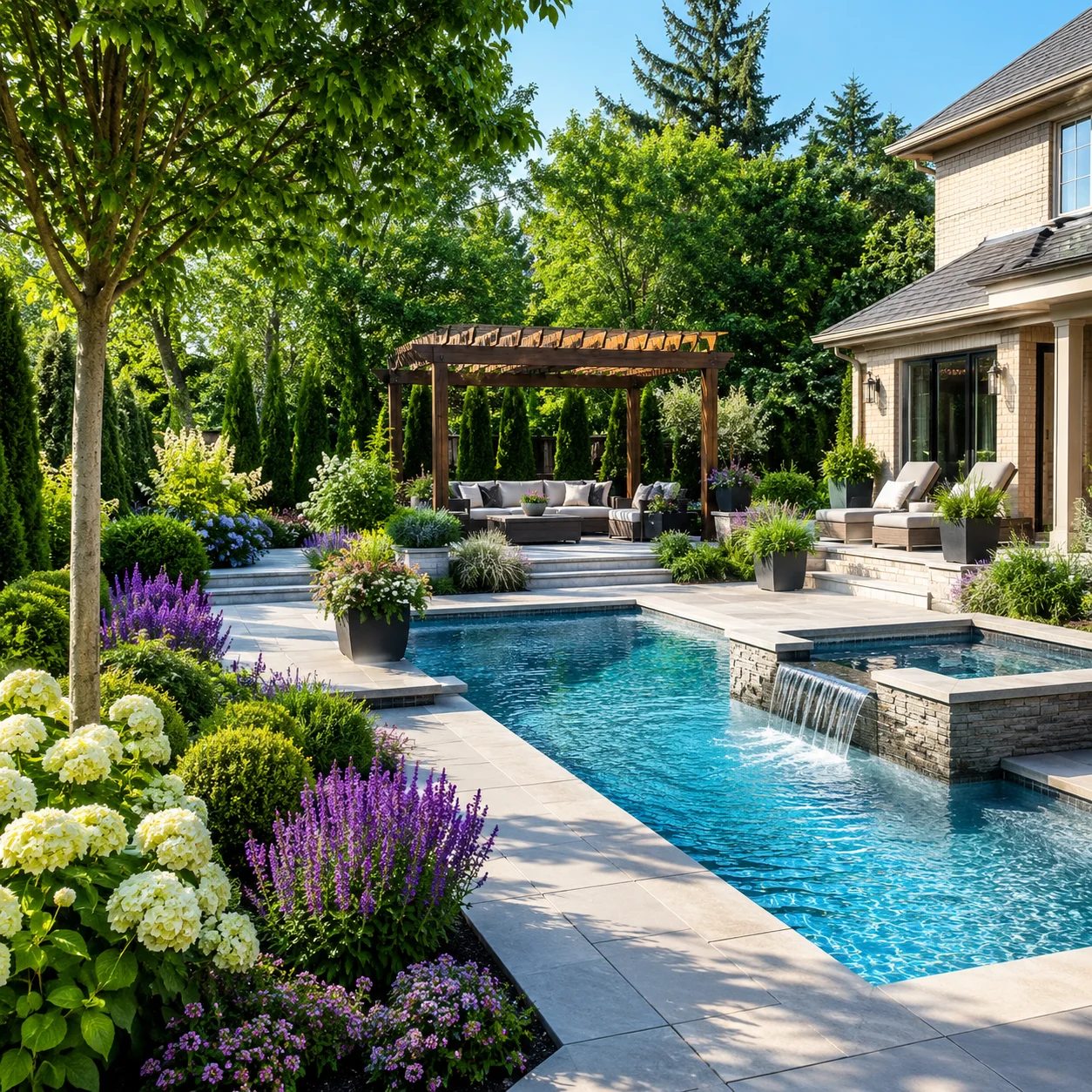
18 Backyard Pool Landscaping Ideas That Look Professionally Designed
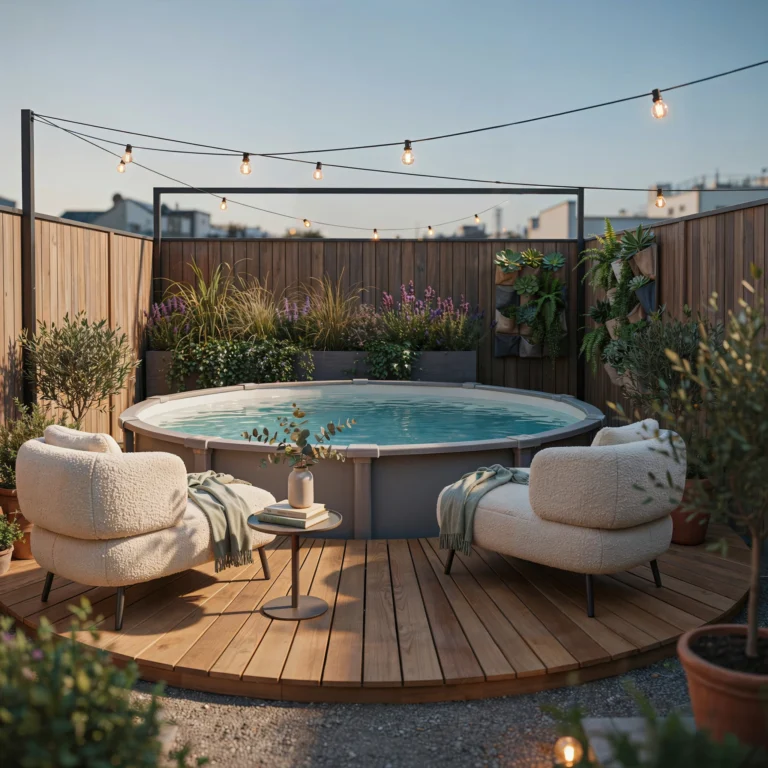
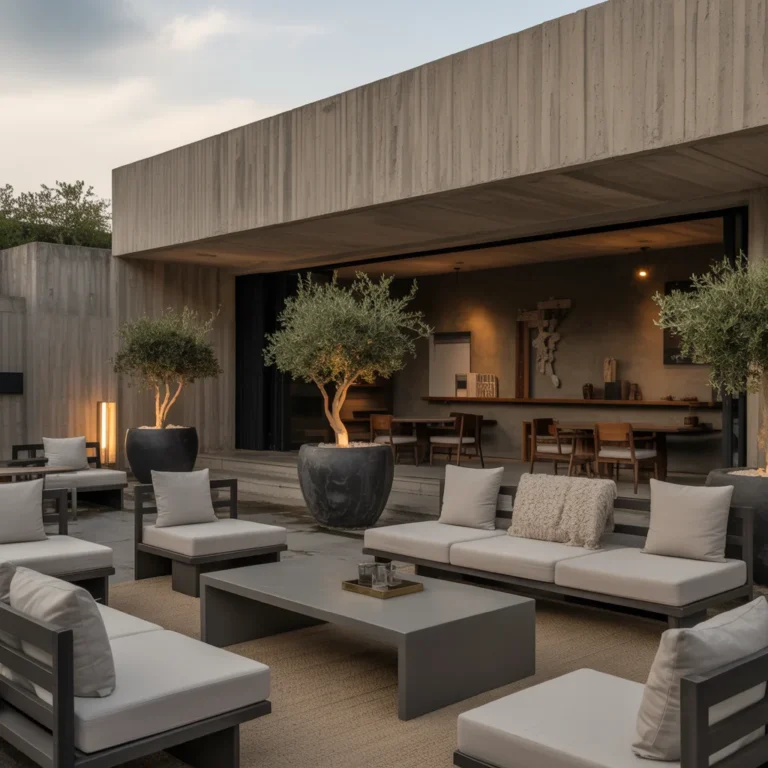
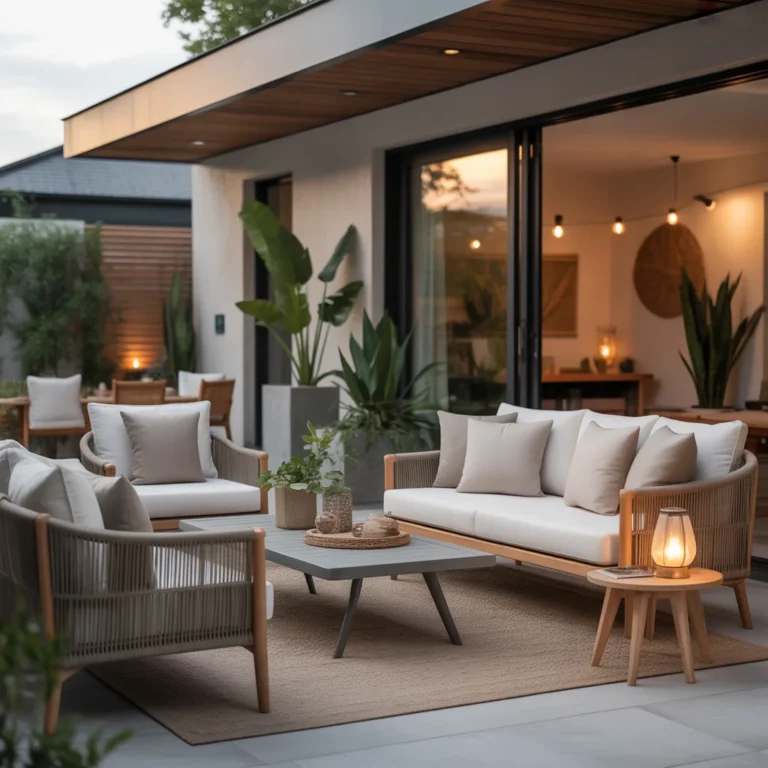
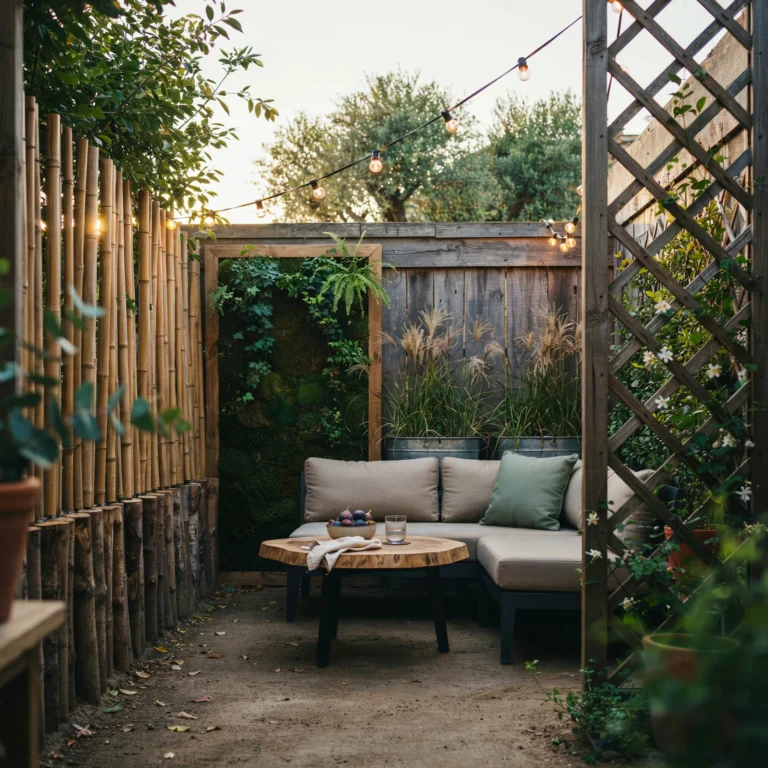
A beautiful pool deserves landscaping that makes it feel like a natural extension of your backyard. The right combination of plants, pathways, lighting, and decorative features can completely transform the space without requiring a massive budget. Over the years, I’ve found that thoughtful planning always creates better results than simply adding more plants.
These backyard pool landscaping ideas will help you design a backyard that feels polished, inviting, and enjoyable throughout every season.
1. Frame the Pool With Natural Stone Borders
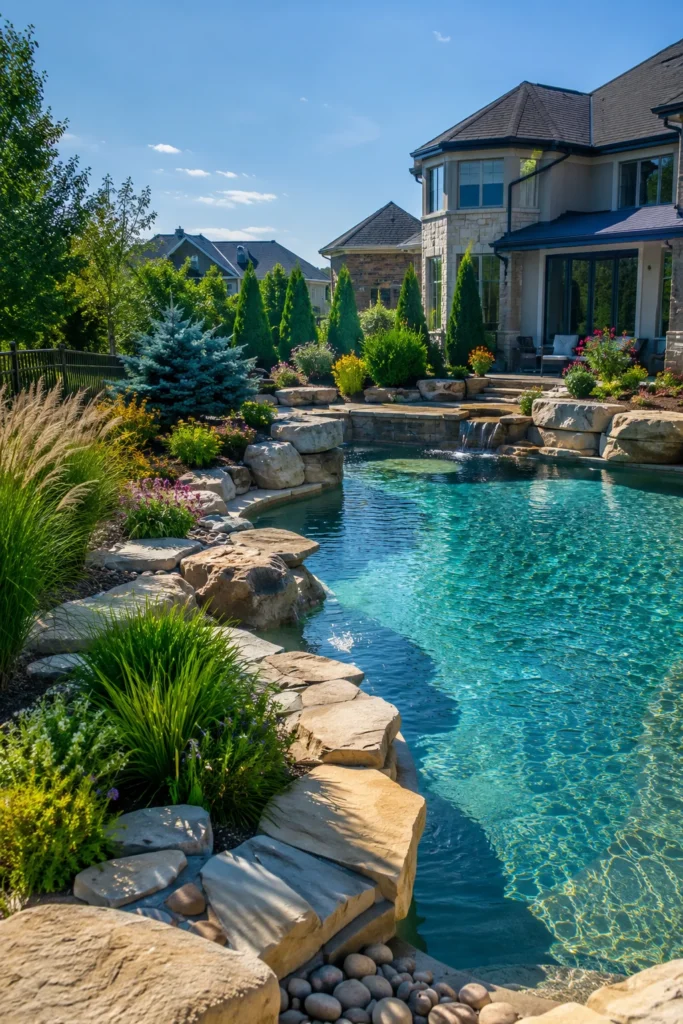
Natural stone borders instantly give a pool a finished, high-end appearance. Whether you choose flagstone, limestone, or river rock, stone blends beautifully with water while adding texture and character. I once replaced plain concrete edging with irregular flagstone around a client’s pool, and the difference was remarkable. The entire backyard suddenly felt warmer and far more inviting.
Stone borders also help separate the pool deck from planting beds, creating a clean and organized layout.
Why you’ll love this idea:
- Creates a timeless and elegant appearance.
- Defines the pool area beautifully.
- Works with both modern and rustic landscapes.
- Reduces soil from washing onto the pool deck.
- Requires very little maintenance after installation.
2. Create a Tropical Oasis With Lush Greenery
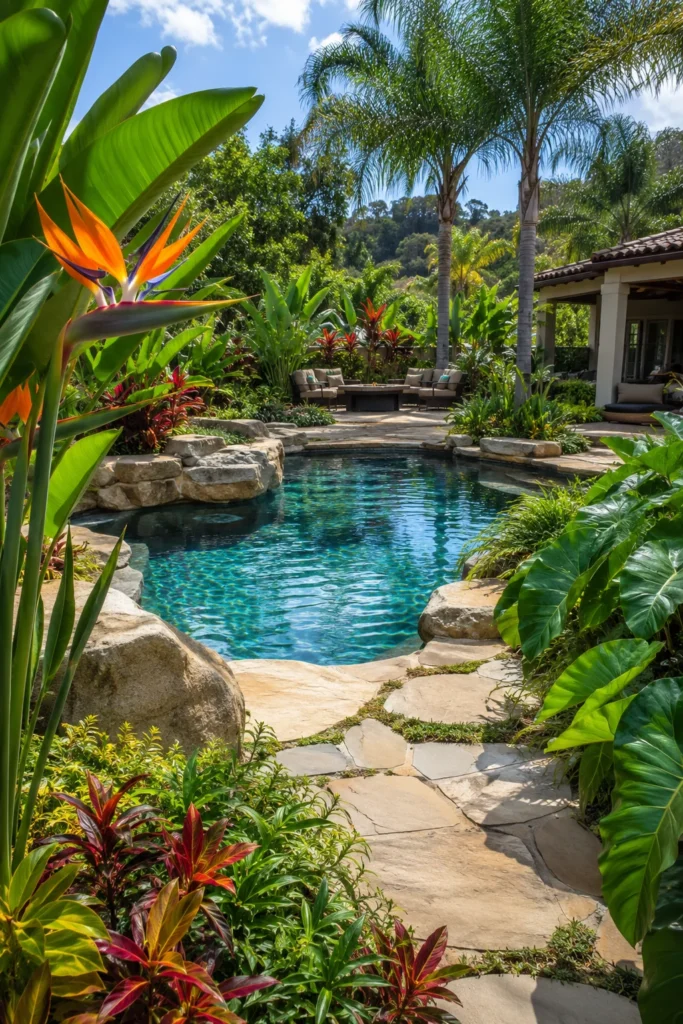
Nothing says relaxation like a backyard filled with vibrant tropical plants. Large leafy varieties instantly soften hard surfaces and make the pool feel like a private vacation retreat. Even in cooler climates, you can recreate the look with hardy plants that have similar textures.
One of my favorite projects involved grouping elephant ears, bird of paradise, and ornamental banana plants around a pool. The greenery created natural privacy while making every swim feel like a getaway.
For the best tropical look:
- Layer plants with different heights.
- Choose lush foliage over too many flowers.
- Leave enough walking space around the pool.
- Use containers if your climate experiences cold winters.
- Add natural stone or wood accents to complete the look.
3. Add Layered Landscape Beds for Depth

Flat landscaping often makes even expensive pools look unfinished. Layering your planting beds adds depth, movement, and visual interest from every angle.
A simple design trick I often use starts with taller shrubs at the back, medium-sized plants in the middle, and colorful ground covers along the front. This creates a balanced landscape that looks professionally planned rather than randomly planted.
A layered landscape usually includes:
- Tall evergreen shrubs for structure.
- Medium flowering shrubs for color.
- Perennials for seasonal blooms.
- Ground covers to soften edges.
- Decorative mulch to tie everything together.
The result is a backyard that feels fuller without appearing crowded.
4. Use Decorative Gravel for a Clean, Modern Look

Decorative gravel is one of the easiest ways to achieve a clean and contemporary pool landscape. It provides excellent drainage while reducing maintenance compared to traditional garden beds.
I often recommend light-colored gravel around modern pools because it reflects sunlight and keeps the area looking bright and open. Pairing gravel with drought-tolerant plants creates an attractive design that’s easy to maintain.
Benefits of decorative gravel include:
- Prevents muddy areas around the pool.
- Reduces weed growth.
- Requires minimal upkeep.
- Complements modern architecture.
- Comes in various colors and sizes to match your design.
Adding large accent stones among the gravel creates even more visual appeal.
5. Install Elegant Poolside Paver Walkways

Paver walkways do much more than connect different parts of your backyard. They create structure and make the landscape feel intentionally designed.
I always encourage homeowners to choose pavers that coordinate with the pool coping rather than matching it exactly. Slight variation adds character while maintaining a cohesive appearance.
Well-designed paver walkways offer several advantages:
- Improve safety by creating stable walking surfaces.
- Connect seating areas, gardens, and outdoor kitchens.
- Increase curb appeal and property value.
- Resist cracking better than poured concrete.
- Offer countless colors, shapes, and laying patterns.
Adding landscape lighting along the walkway makes the space even more attractive after sunset.
6. Design a Cozy Seating Area With Built-In Planters
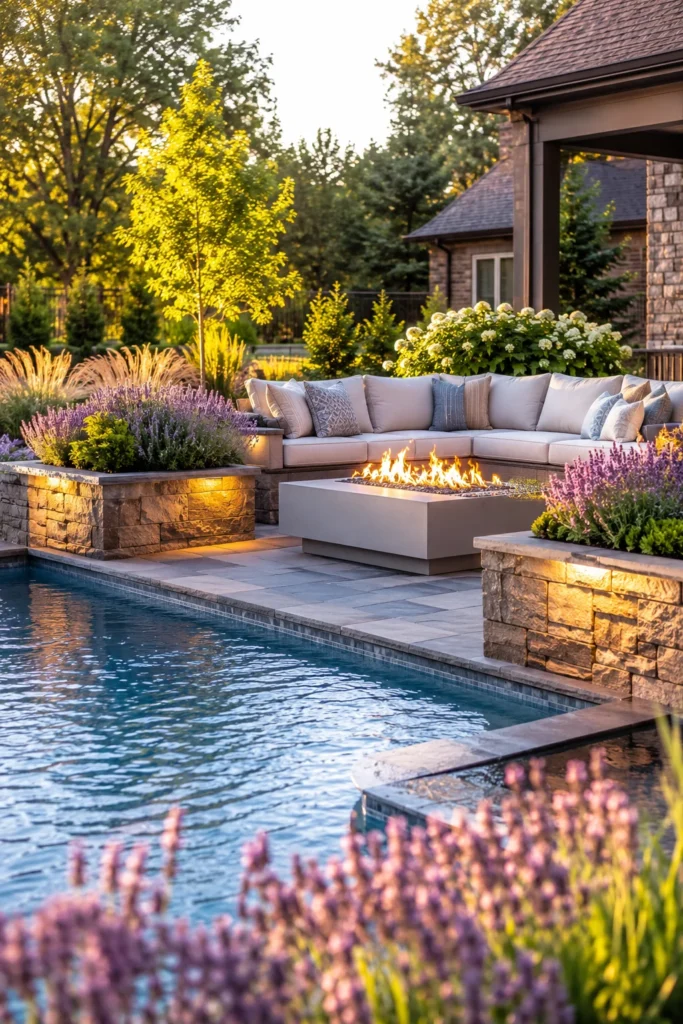
A pool becomes much more enjoyable when there’s a comfortable place to relax nearby. Built-in planters naturally define seating areas while adding greenery without taking up extra space.
One project that still stands out featured a curved stone bench surrounded by raised planters filled with lavender, ornamental grasses, and flowering shrubs. Guests naturally gathered there because it felt welcoming and private.
A functional seating area should include:
- Comfortable weather-resistant furniture.
- Built-in planters with low-maintenance plants.
- Shade from umbrellas or pergolas.
- Small tables for drinks and snacks.
- Soft outdoor cushions for added comfort.
Thoughtfully combining seating and landscaping creates a backyard that feels professionally designed while encouraging everyone to spend more time outdoors.
7. Incorporate Low-Maintenance Ornamental Grasses
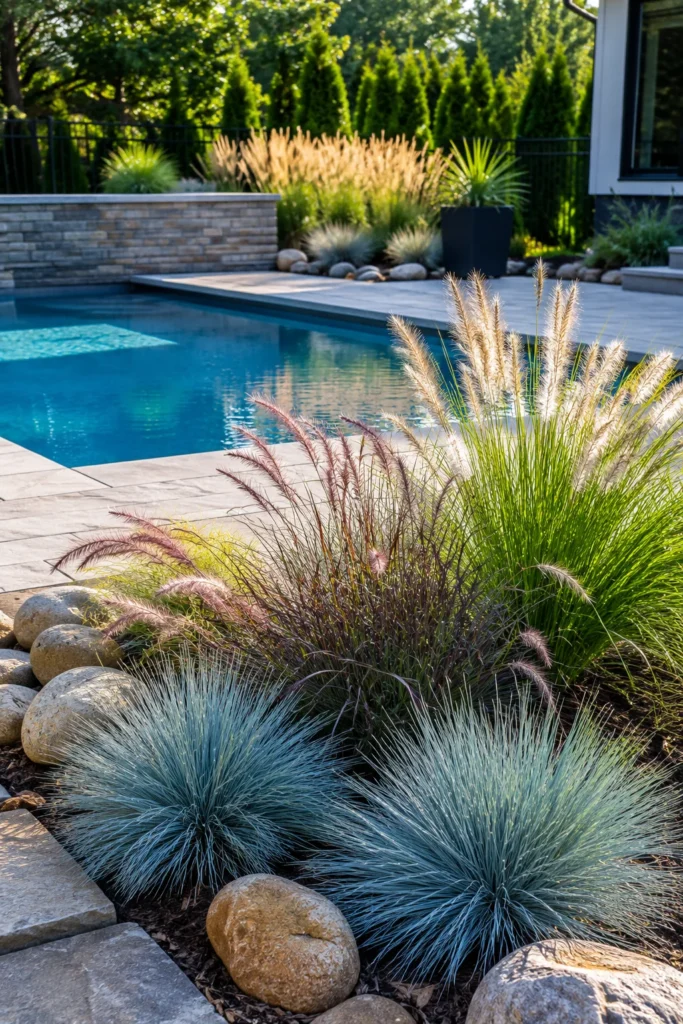
Ornamental grasses are one of my favorite additions to a pool landscape because they bring movement without demanding constant attention. As the breeze passes through them, they create a soft, relaxing effect that complements the calm feeling of the water. They also fit beautifully into modern, coastal, and natural landscape styles.
Instead of planting them in straight rows, group them in clusters to create a more natural look that feels professionally designed.
Why ornamental grasses work so well:
- Require very little watering once established.
- Add texture and movement throughout the year.
- Pair well with stone, gravel, and pavers.
- Stay attractive with minimal pruning.
- Help soften the edges of hardscape features.
Popular choices include fountain grass, blue fescue, and feather reed grass.
8. Add Privacy With Tall Hedges or Bamboo
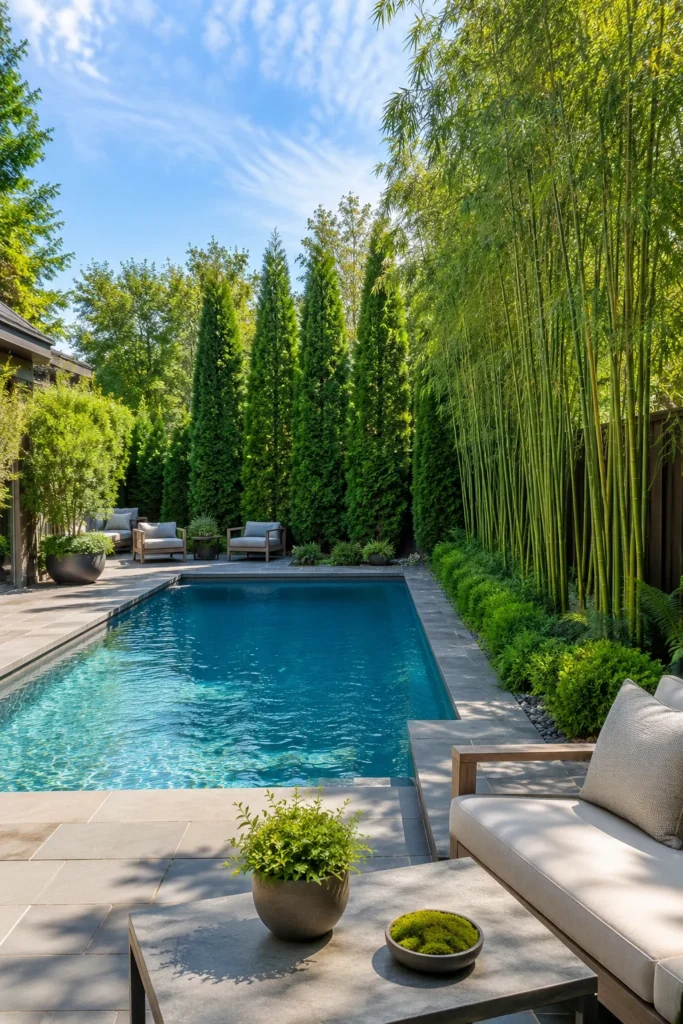
Privacy can completely change how comfortable your pool feels. Tall hedges or clumping bamboo create a peaceful retreat where you can relax without feeling exposed to neighboring homes.
I once worked on a backyard where the pool sat directly in view of two neighboring properties. After planting evergreen hedges along the fence line, the space immediately felt more secluded and inviting.
Tips for creating natural privacy:
- Choose evergreen varieties for year-round coverage.
- Plant far enough from the pool to allow easy maintenance.
- Leave room for future growth.
- Trim regularly to keep the landscape neat.
- Mix shrubs with ornamental grasses for added texture.
A living privacy screen often looks much softer than a solid fence.
9. Build Raised Garden Beds Around the Pool

Raised garden beds add height, structure, and color to a backyard without making the space feel crowded. They also improve drainage and make plant maintenance much easier.
One design I particularly enjoyed included natural stone raised beds surrounding one side of the pool. The elevated flowers became a beautiful focal point while clearly separating the lawn from the pool deck.
Raised beds offer several advantages:
- Create visual interest through varying heights.
- Improve soil quality and drainage.
- Make planting and maintenance easier.
- Help organize the landscape.
- Provide space for flowers, shrubs, or decorative grasses.
Choose materials that coordinate with your pool deck for a cohesive design.
10. Mix Evergreen Shrubs With Seasonal Flowers

A professionally designed landscape stays attractive throughout the year, not just during spring. Mixing evergreen shrubs with seasonal flowers creates a balanced landscape that always has something to offer.
I usually recommend starting with evergreen shrubs as the foundation. Then add colorful perennials and annuals to introduce seasonal interest without overwhelming the space.
A balanced planting plan includes:
- Evergreen shrubs for year-round structure.
- Spring flowers for fresh seasonal color.
- Summer blooms for vibrant displays.
- Autumn plants with rich foliage.
- Mulch to keep planting beds looking clean.
This combination keeps your backyard looking fresh every season.
11. Install Landscape Lighting for Evening Ambiance
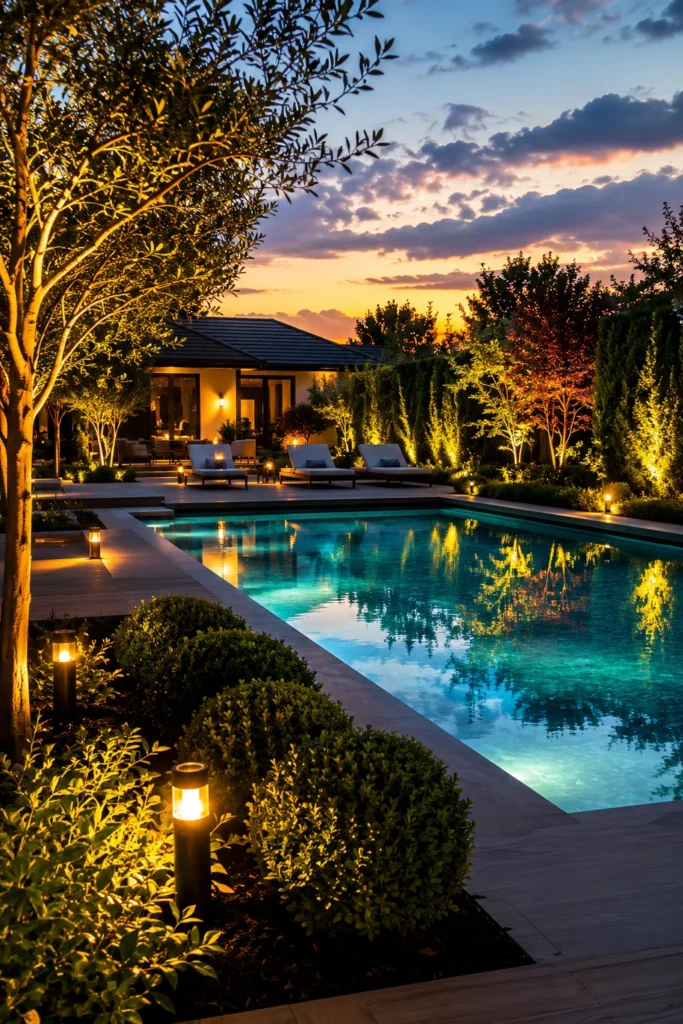
A pool shouldn’t only look beautiful during the day. Well-placed landscape lighting extends the enjoyment well into the evening while improving safety around walkways and steps.
One evening, I visited a completed project just after sunset. The soft uplighting beneath small trees and subtle pathway lights completely transformed the backyard. The pool reflected the warm lighting, making the entire space feel like a luxury resort.
Consider adding:
- Path lights along walkways.
- Uplighting beneath feature trees.
- Spotlights for architectural plants.
- Soft lighting around seating areas.
- LED fixtures for energy efficiency.
Keep the lighting subtle to create a relaxing atmosphere instead of harsh brightness.
12. Add a Water Feature Surrounded by Landscaping

Adding a water feature introduces another layer of sound and movement that makes the backyard feel even more peaceful. A small waterfall, bubbling fountain, or rock cascade blends beautifully into the surrounding landscape.
One homeowner added a natural rock waterfall beside the pool, surrounded by ornamental grasses and flowering shrubs. The gentle sound of flowing water helped mask nearby traffic noise while creating a relaxing environment.
Water features become even more attractive when paired with:
- Natural stone accents.
- River rocks around the base.
- Layered greenery.
- Low-growing ground covers.
- Soft landscape lighting for nighttime enjoyment.
Even a simple fountain can make your pool area feel more polished and thoughtfully designed.
13. Create a Mediterranean-Inspired Pool Garden
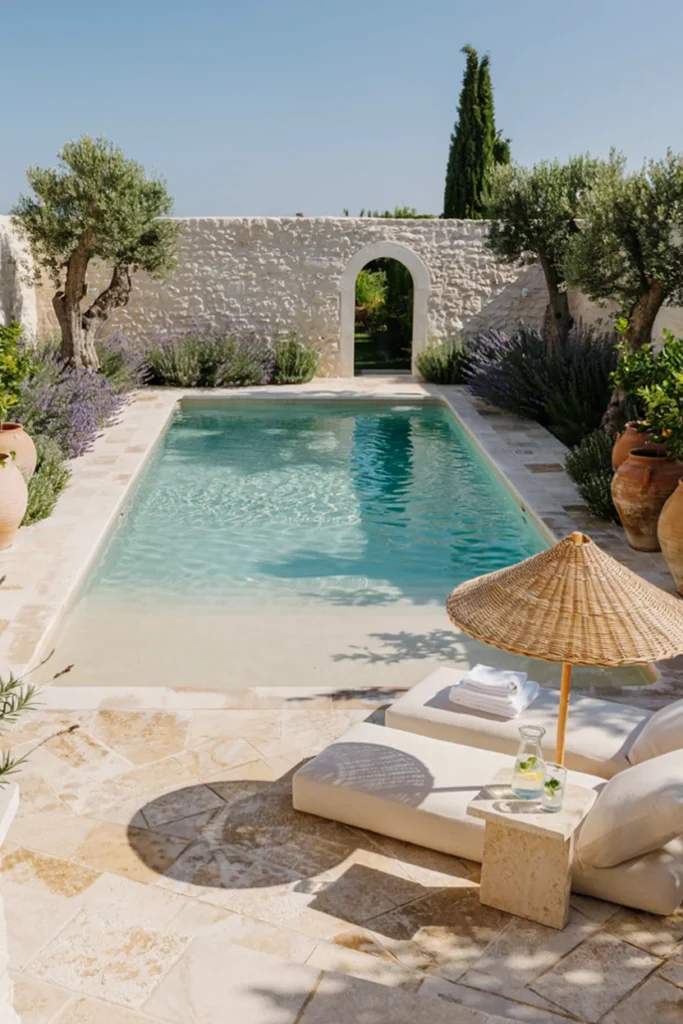
A Mediterranean-inspired garden brings timeless elegance to any backyard pool. Natural stone, terracotta pots, fragrant herbs, and drought-tolerant plants work together to create a warm and inviting atmosphere. This style feels sophisticated without looking overly formal.
One of my favorite transformations included olive trees, lavender, rosemary, and light-colored gravel surrounding the pool. The space looked bright, airy, and welcoming throughout the year.
To achieve this style:
- Use terracotta planters for warmth.
- Plant lavender, rosemary, and sage.
- Choose natural stone for borders and pathways.
- Add light-colored gravel for contrast.
- Include simple outdoor furniture with neutral cushions.
This combination creates a relaxing backyard that feels both classic and effortless.
14. Define Spaces With Decorative Retaining Walls

Retaining walls do more than solve sloped yard problems. They can also separate different areas of your backyard while adding texture and architectural interest.
I’ve seen retaining walls completely transform uneven yards into organized outdoor living spaces. One project used stacked stone walls to separate the pool from a dining area, making each section feel purposeful while keeping the overall design connected.
Decorative retaining walls can:
- Create distinct outdoor zones.
- Support raised planting beds.
- Prevent soil erosion.
- Add visual depth to flat landscapes.
- Provide extra seating when built at bench height.
Choose materials that match your pool deck for a seamless appearance.
15. Add Palm Trees for a Resort-Style Backyard

Few plants create a vacation-like atmosphere as quickly as palm trees. Their graceful shape instantly makes a pool feel more luxurious and relaxing.
If you live in a cooler climate, cold-hardy palm varieties or similar-looking trees can provide the same effect. I always recommend placing palms where they frame the pool rather than block important views.
Palm trees work best when you:
- Plant them in groups of varying heights.
- Leave enough room for mature growth.
- Pair them with tropical shrubs.
- Add landscape lighting at the base.
- Keep them away from pool equipment.
Used thoughtfully, palm trees become stunning focal points without overwhelming the space.
16. Use Mulch and Rock Combinations for Texture

Combining mulch and decorative rock creates a layered landscape that feels balanced and professionally designed. The contrast between the two materials adds visual interest while helping define planting areas.
I often use dark mulch around flowering shrubs and lighter decorative stone around ornamental grasses. The difference in texture keeps the landscape from looking flat and highlights each planting area beautifully.
Benefits of mixing mulch and rock include:
- Creates visual contrast.
- Helps retain soil moisture.
- Reduces weed growth.
- Improves drainage in selected areas.
- Gives planting beds a finished appearance.
Stick to two or three materials to maintain a clean, cohesive design.
17. Design a Modern Minimalist Landscape With Clean Lines

Modern landscapes focus on simplicity, balance, and carefully chosen materials. Instead of filling every corner with plants, this style highlights open space and clean geometric shapes.
One modern backyard I worked on featured rectangular planting beds, black decorative stone, neatly clipped shrubs, and large concrete pavers. The uncluttered design allowed the pool to remain the center of attention while still feeling warm and welcoming.
Key elements of minimalist landscaping include:
- Straight lines and geometric layouts.
- Limited plant varieties.
- Neutral-colored materials.
- Simple architectural shrubs.
- Open spaces that avoid visual clutter.
Less often creates a stronger visual impact when every element has a purpose.
18. Blend the Pool Into the Yard With Natural Landscaping

Some of the most beautiful pools look like they’ve always belonged in the landscape. Instead of treating the pool as a separate feature, blend it into the yard with natural materials and thoughtfully placed plants.
One backyard that left a lasting impression used native grasses, river rocks, flowering perennials, and gently curved planting beds. The pool felt connected to the surrounding garden instead of standing apart from it.
Natural landscaping works best when you:
- Choose native plants whenever possible.
- Use curved planting beds.
- Add river rocks for texture.
- Mix shrubs with ornamental grasses.
- Repeat similar plants throughout the landscape.
This approach creates a backyard that feels relaxed, balanced, and easy to enjoy.
Tips for Designing a Professional-Looking Pool Landscape
A beautiful landscape starts with a thoughtful plan. Rather than adding features one at a time, think about how every element works together to create a cohesive outdoor space.
Keep these design tips in mind:
- Start with a clear layout before planting.
- Choose plants suited to your local climate.
- Leave enough room for pool maintenance.
- Use repeating colors and materials throughout the yard.
- Layer plants by height for a natural appearance.
- Include both evergreen and seasonal plants.
- Add outdoor lighting to extend evening use.
- Keep pathways wide and easy to navigate.
- Avoid overcrowding planting beds.
- Select durable, slip-resistant materials around the pool.
A well-planned landscape not only looks better but is also easier to maintain over time.
Conclusion
The best backyard pool landscaping ideas combine beauty with practicality. Whether you prefer a tropical retreat, a modern minimalist design, or a natural garden setting, thoughtful landscaping can completely transform your outdoor space.
Focus on creating balance with plants, hardscaping, lighting, and seating areas that complement one another. With careful planning and a few well-chosen features, your pool can become the highlight of a backyard that looks professionally designed and feels welcoming every day.
Frequently Asked Questions
1. What is the best landscaping around a backyard pool?
The best landscaping includes a mix of low-maintenance plants, decorative stone, paver walkways, ornamental grasses, evergreen shrubs, and outdoor lighting. Choose materials that tolerate heat, sunlight, and occasional water exposure while keeping maintenance simple. Layering plants of different heights also creates a polished, professional look.
2. Which plants are safe to grow near a swimming pool?
Choose plants that produce minimal leaf litter and have non-invasive roots. Good options include:
- Ornamental grasses
- Boxwood shrubs
- Agave
- Lavender
- Bird of paradise
- Blue fescue
- Dwarf palms
- Daylilies
Avoid plants that drop excessive flowers, fruit, or needles into the water.
3. What is the most low-maintenance pool landscaping option?
A combination of decorative gravel, mulch, evergreen shrubs, ornamental grasses, and drought-tolerant plants is one of the easiest landscapes to maintain. Adding drip irrigation and choosing native plants can reduce watering, pruning, and general upkeep even further.
4. How can I make my backyard pool look more luxurious?
You can create a more luxurious pool area by combining several design elements instead of relying on just one feature.
Consider adding:
- Natural stone coping
- Elegant paver walkways
- Layered planting beds
- Palm trees or tropical plants
- Landscape lighting
- Comfortable outdoor seating
- Decorative water features
- Built-in planters
These details work together to give your backyard the feel of a high-end resort.
5. What should I avoid planting around a pool?
Avoid plants that create extra maintenance or may damage nearby surfaces.
These include:
- Trees with aggressive root systems
- Plants that shed large amounts of leaves
- Fruit-bearing trees
- Thorny shrubs near walkways
- Highly invasive bamboo varieties
- Plants that attract excessive bees or insects
Selecting clean, low-litter plants will help keep your pool area attractive and much easier to maintain.