13 Minimalist Library Corner Ideas to Create Your Perfect Reading Escape
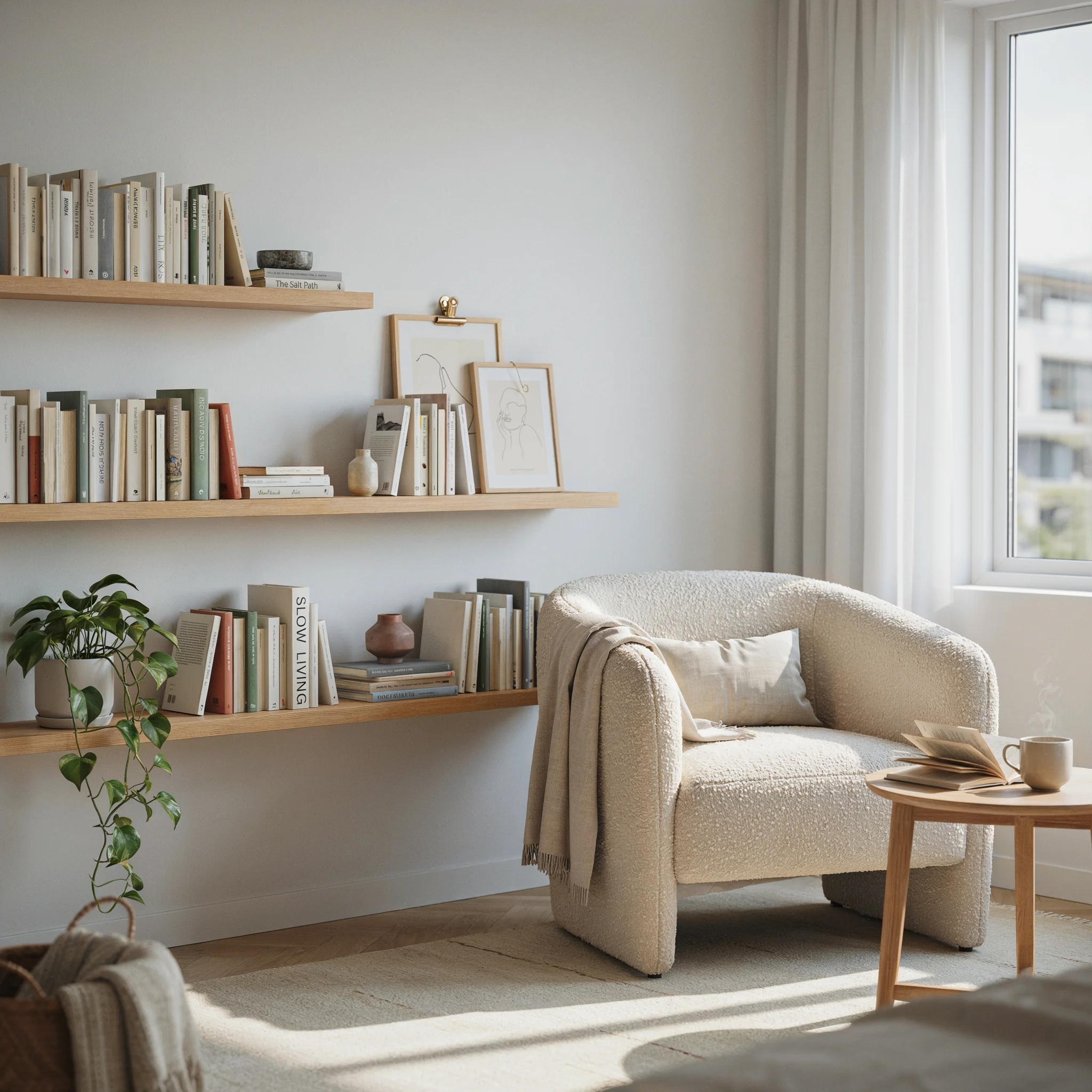
There is something deeply satisfying about having a dedicated reading corner at home. A place that is yours, quiet, intentional, and free of clutter. I have been obsessing over minimalist library corners for years, and I finally put together ideas that actually work in real homes, not just in perfectly staged photos.
1. The Floating Shelf Wall
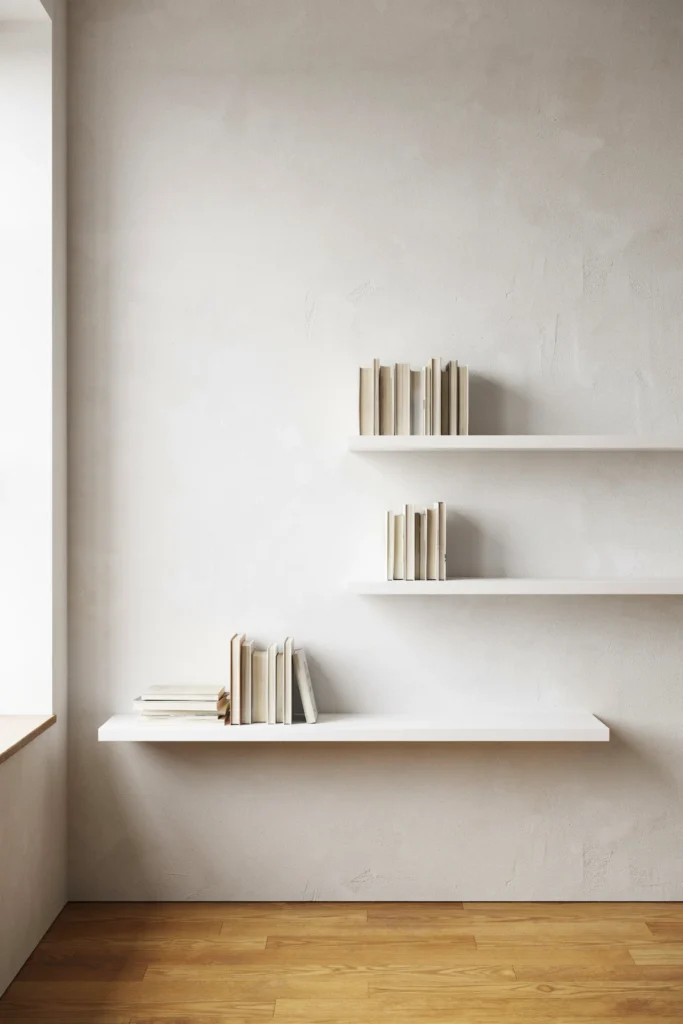
Skip the bulky bookcase. A few well-placed floating shelves on a single wall give you storage without weight. I went this route in my own living room and the difference was immediate. The room felt bigger, and my books became part of the wall art rather than a pile I kept meaning to organize.
What to keep in mind:
- Use shelves at varying heights to avoid a flat, monotonous look
- Limit books to two or three rows deep so nothing gets buried
- Leave some shelves partially empty on purpose
2. A Single Comfortable Chair, Nothing More
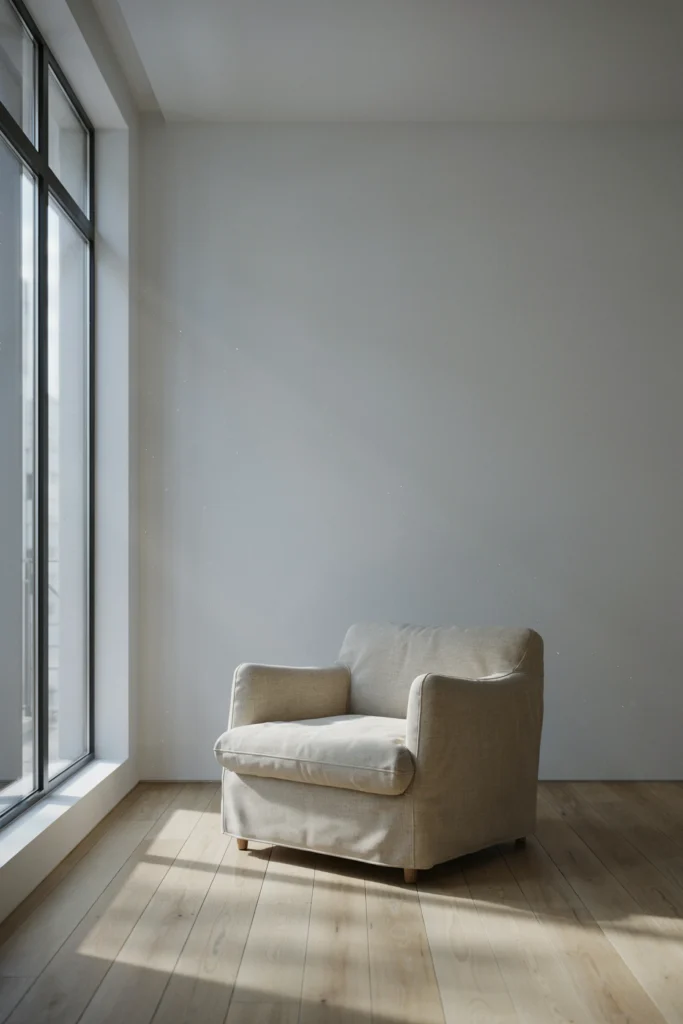
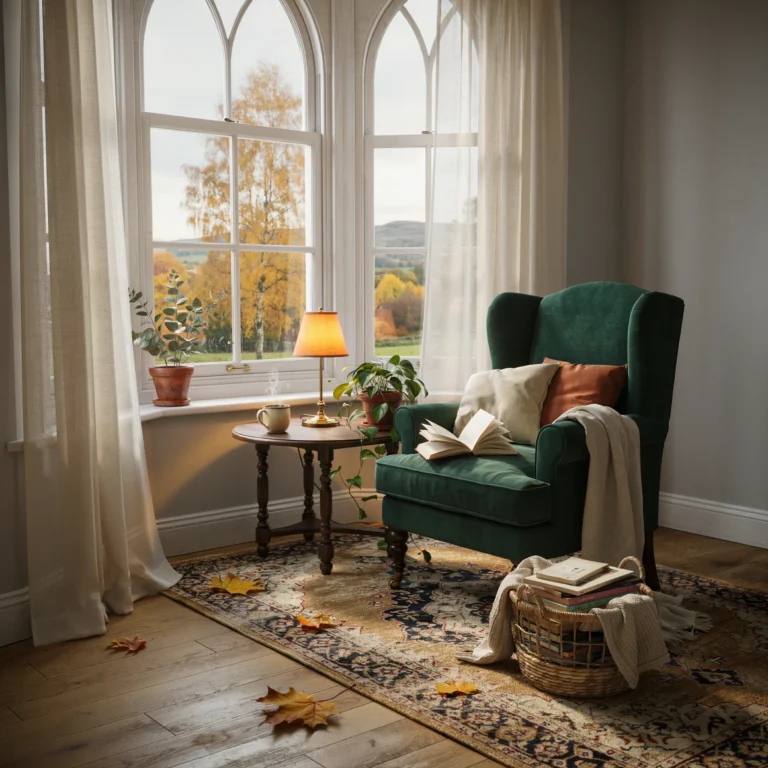
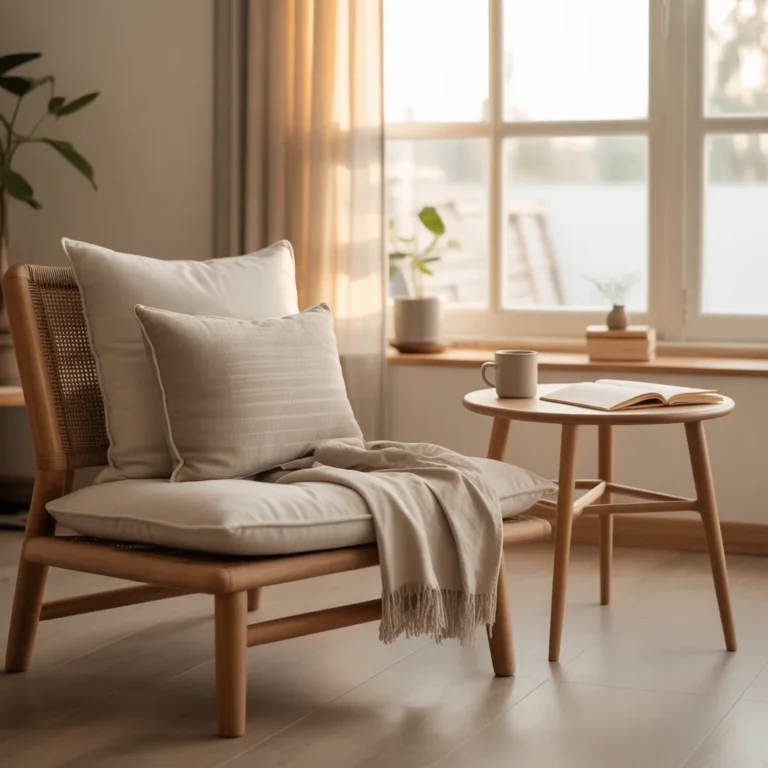
Resist the urge to add a side table, a lamp, a throw, and a tray all at once. Start with one good chair. A quality reading chair in a neutral fabric does more for a minimalist corner than any accessory ever could.
I spent weeks looking for the right chair before I realized I was overthinking it. A low-profile armchair in linen, placed near a window, was all I needed.
3. Built-In Shelving Around a Window
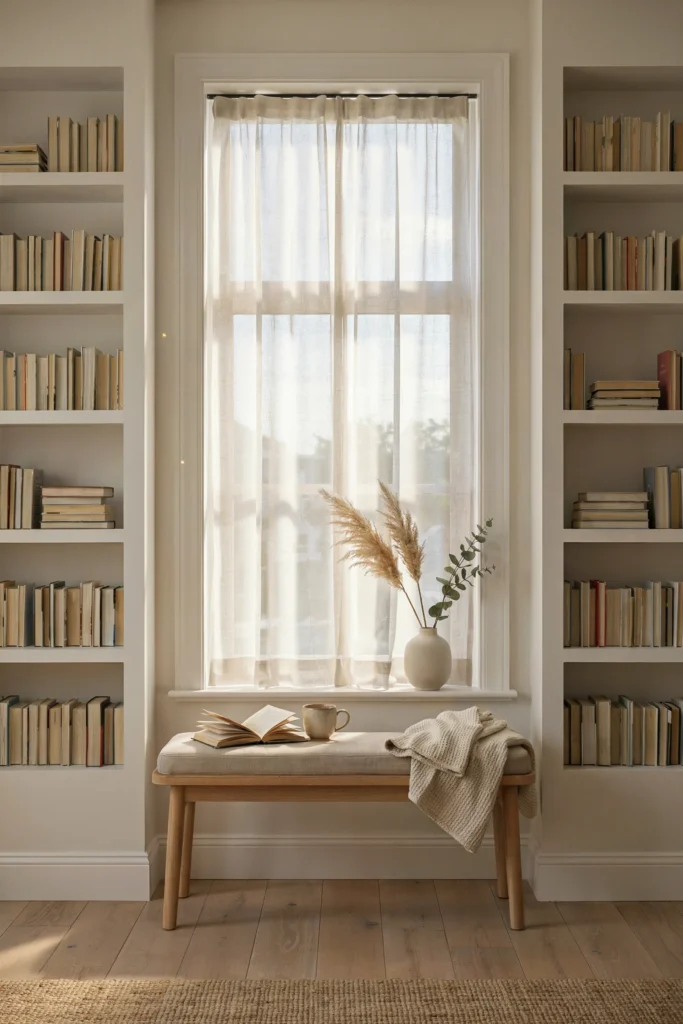
If you have a window that does not get much use, frame it with built-in shelving on both sides. This turns dead wall space into a functional reading nook and naturally draws you toward natural light while you read.
Tips for this setup:
- Paint the shelves the same color as the wall for a seamless, quiet look
- Use the window sill as a casual display shelf
- Add a small cushion on the sill if the depth allows
4. Monochromatic Book Arrangement
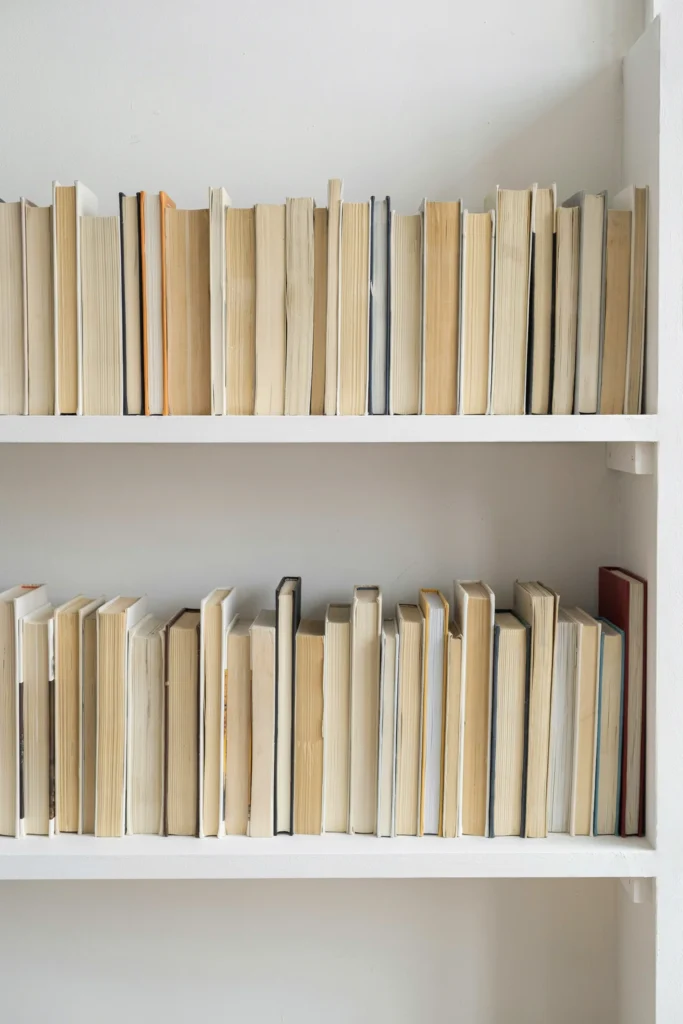
Organizing books by color is one of those ideas that sounds fussy until you actually try it. A full shelf of white spines or muted earth tones looks incredibly calm. This is one of the easiest ways to make a book collection look intentional without buying a single new thing.
5. Low Floor Seating with a Meditation Feel
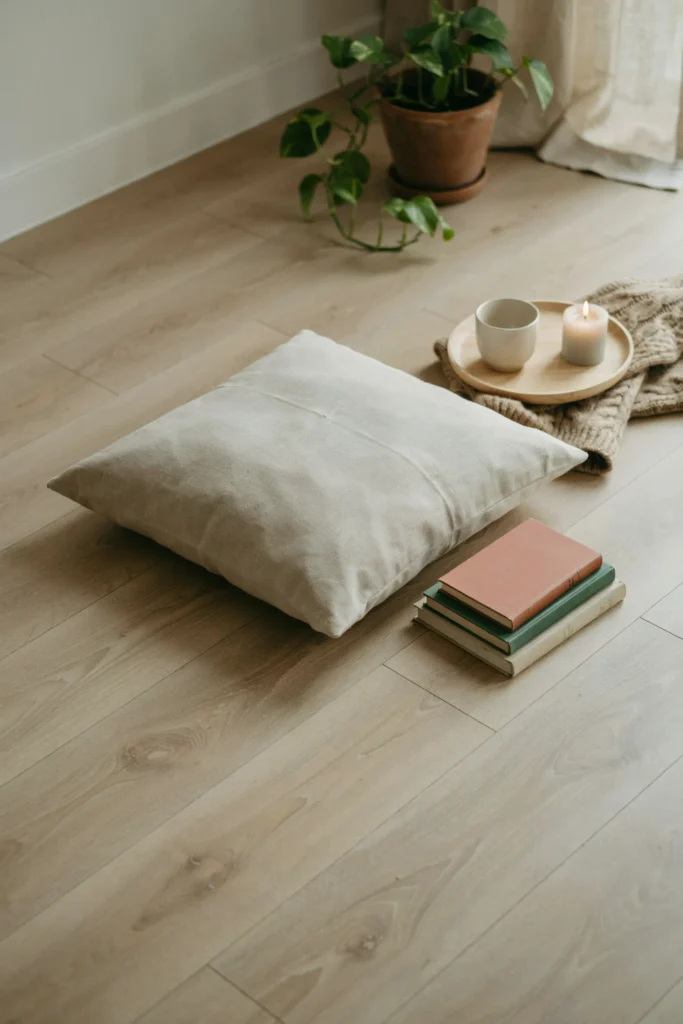
A floor cushion or a low pouf next to a small stack of books creates a reading corner that feels grounded and simple. This works especially well in smaller rooms where a full armchair would feel cramped.
What works well here:
- A large, firm floor cushion in a solid neutral color
- A small wooden tray on the floor for a drink and a candle
- Books stacked flat instead of shelved upright
6. A Curtained Alcove
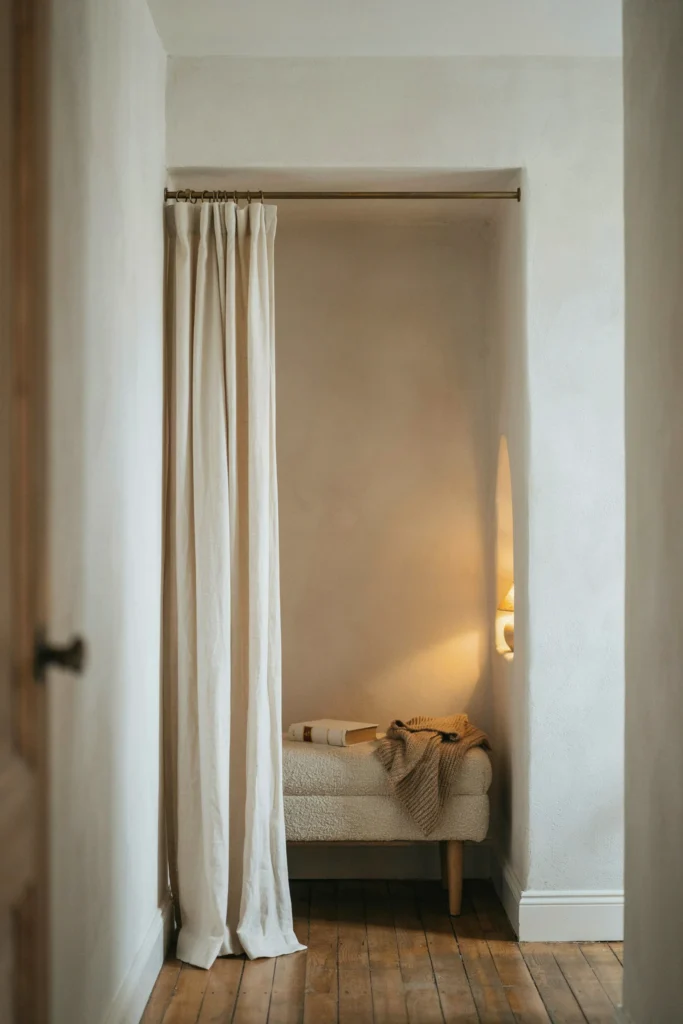
If you have an awkward recessed wall or an underused hallway nook, hang a simple linen curtain to create the feel of a private reading alcove. When the curtain is open, it looks intentional. When it is closed, it feels like a little escape.
I tried this in a rental apartment where I could not do any permanent changes. Two tension rods and a piece of linen fabric, and suddenly I had a reading nook I actually used every day.
See Also: 10 Moody Home Library Corners That Nail the Dark Academia Look
7. Ladder Shelf as a Statement Piece
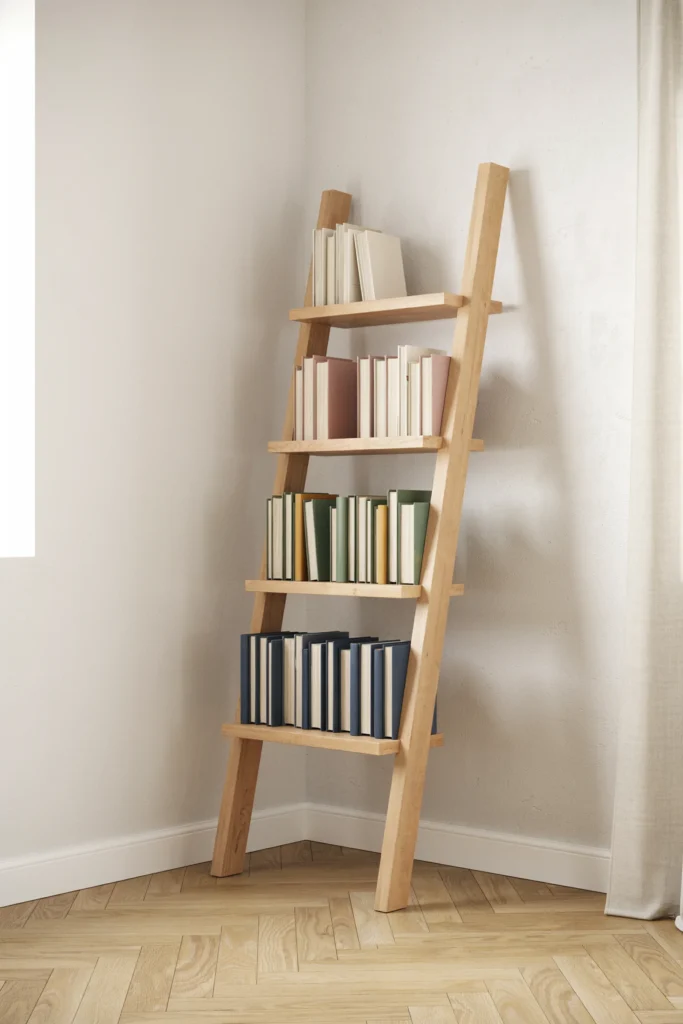
A leaning ladder shelf keeps the visual weight light while still holding a solid book collection. It works in corners without needing to commit to permanent installation.
Things to look for in a ladder shelf:
- Solid wood over engineered wood for stability
- Wider rungs so books sit flush without tipping
- A natural or white finish to keep things minimal
8. A Dedicated Reading Light, Properly Placed
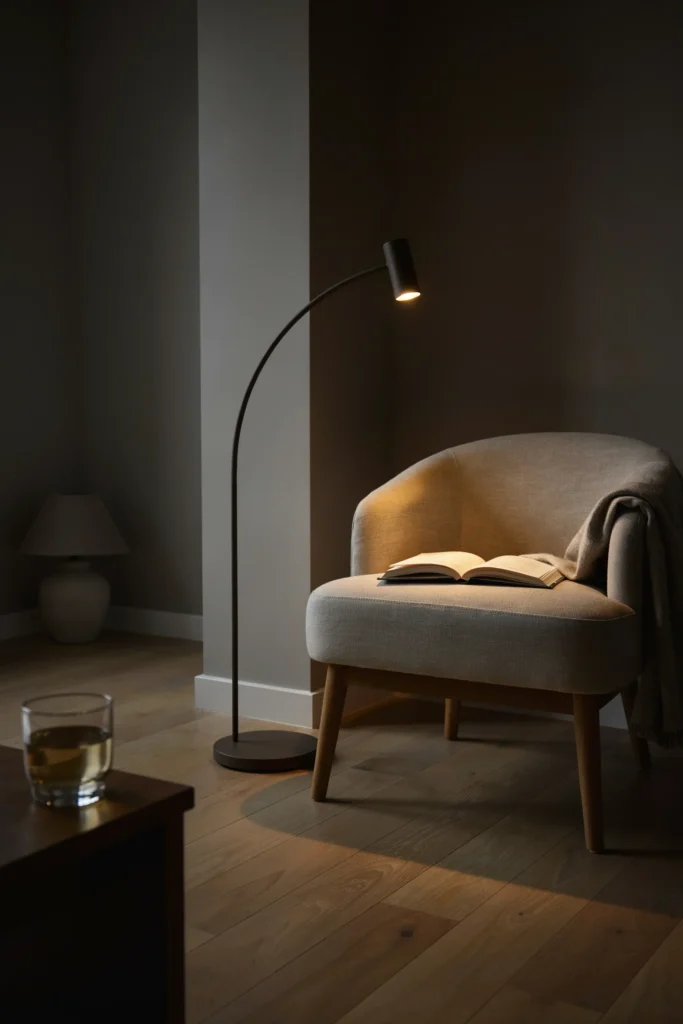
Lighting is where most reading corners fall apart. People use whatever ceiling light is already there and then wonder why reading feels like a chore. A well-placed arc floor lamp or a wall-mounted reading light changes everything.
The light should fall directly on the page, not in your eyes or behind you. That one adjustment made my reading sessions last twice as long.
9. The Two-Tone Wall Trick
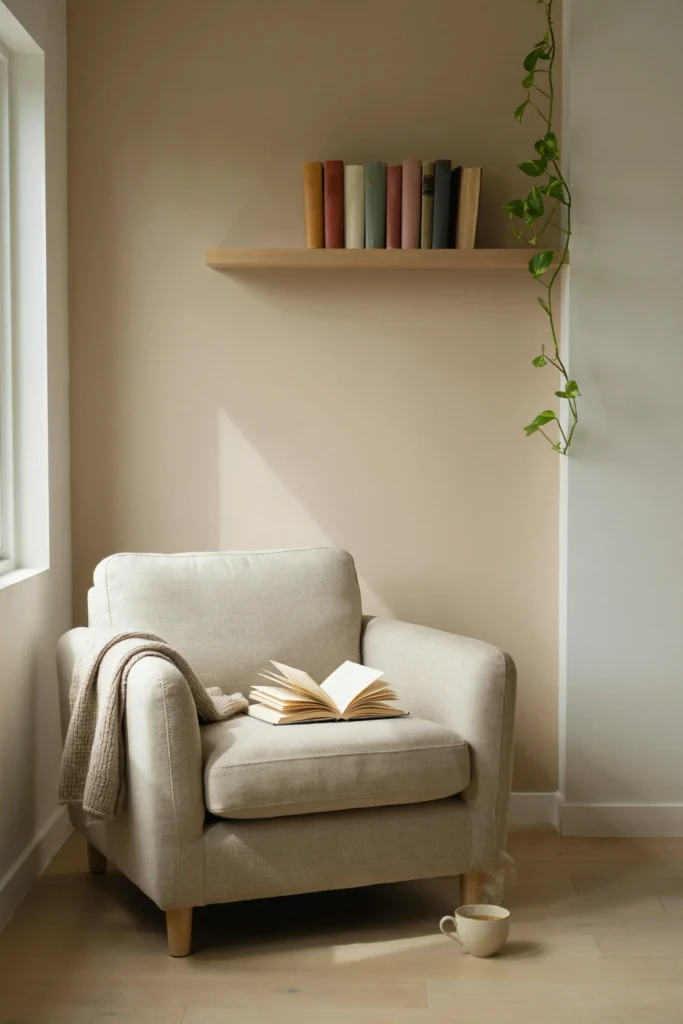
Paint the wall behind your reading corner a slightly deeper shade than the rest of the room. You do not need wallpaper or a bold color. Even a shade or two darker in the same paint family creates a quiet visual anchor that makes the corner feel intentional and defined.
10. Minimal Decor, Maximum Texture
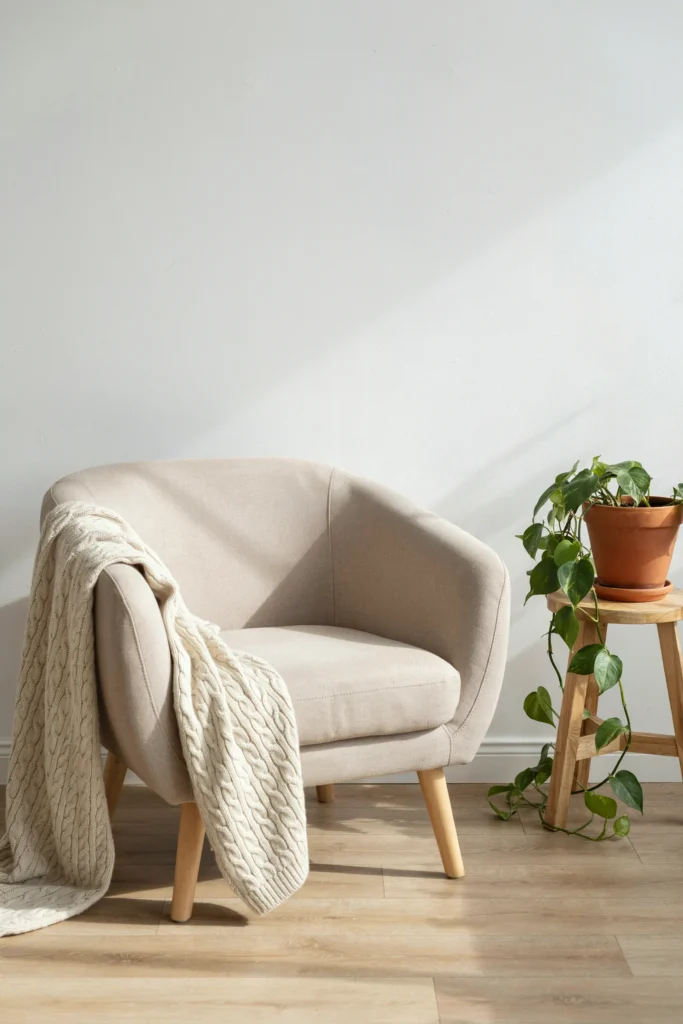
In a minimalist space, texture does the work that color and pattern usually do. A chunky knit throw, a linen pillow, a wooden stool, a terracotta pot with a trailing plant. These things add warmth without adding noise.
Stick to this texture checklist:
- One textile (throw or pillow, not both)
- One natural material (wood, stone, or ceramic)
- One living element (a small plant or fresh stems)
11. Hidden Storage Under the Seat
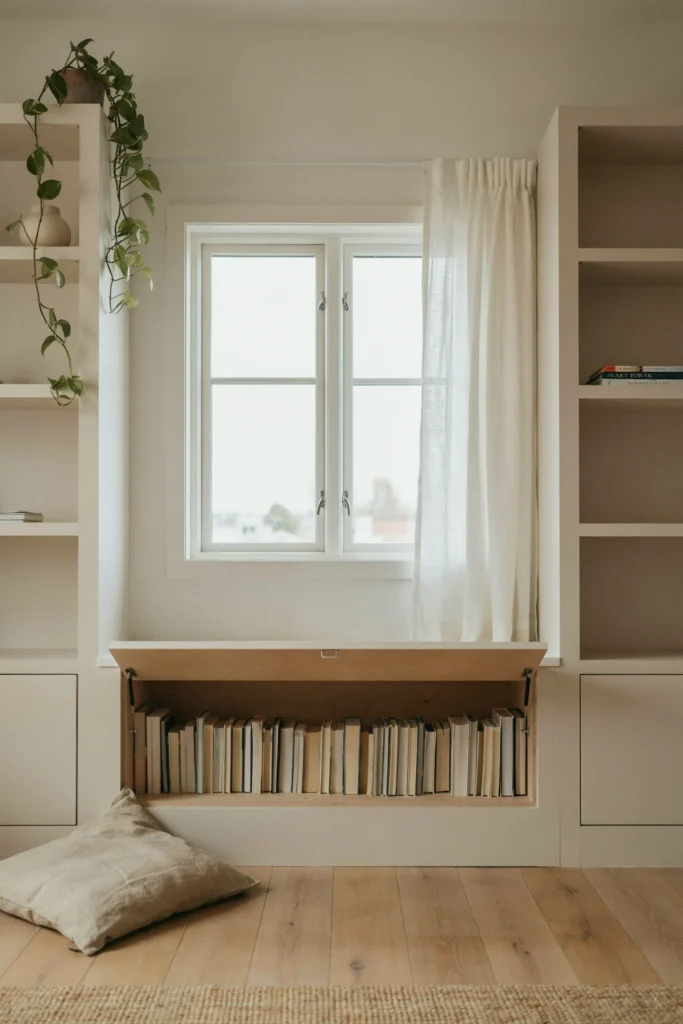
If you are building or buying a window seat for your reading corner, add storage underneath. Lift-top benches and built-in drawers keep the visual space clean while giving you somewhere to stow extra books, journals, or blankets.
This is a practical move that also keeps the corner from gradually becoming a dumping ground.
12. A Micro Corner in a Bedroom
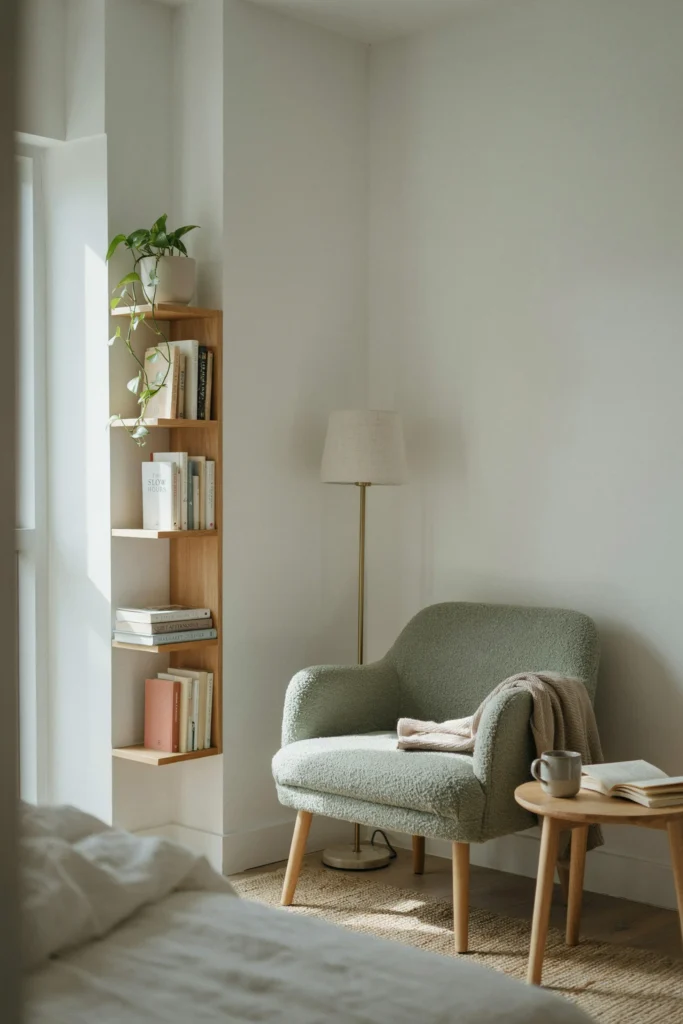
You do not need a whole room or even a large wall. A bedroom corner with a small accent chair, a slim floor lamp, and one narrow shelf is a complete reading setup. Some of the coziest reading spots I have seen are no bigger than 4 by 4 feet.
Making a small space work:
- Choose furniture with thin legs to keep the floor visible
- Use vertical shelving instead of wide horizontal pieces
- Keep the color palette tight, two or three colors at most
13. The “No Decor” Shelf
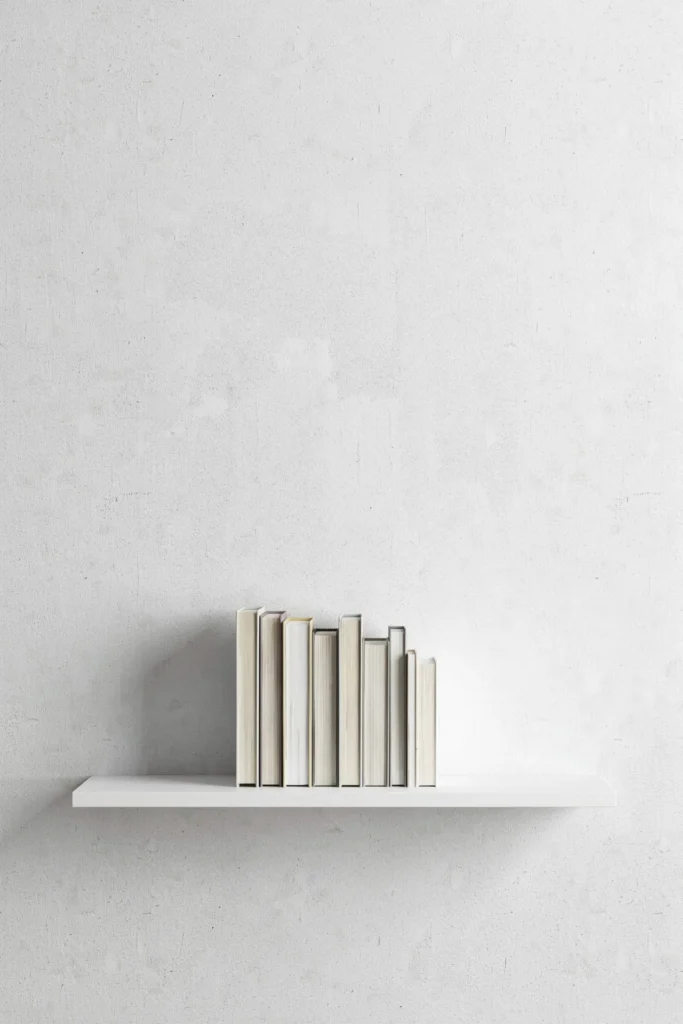
This one takes confidence. A shelf with only books, arranged neatly by size or color, no plants, no frames, no decorative objects. Just books. It looks sharp, deliberate, and surprisingly beautiful.
I cleared everything off one of my shelves about a year ago and never put the decorative pieces back. The books alone were enough.
Final Thoughts
A minimalist reading corner does not require a renovation or a large budget. Most of the ideas here are about editing what you already have, placing things with intention, and resisting the pull to add more.
Start with one corner, one chair, and a few books you actually want to read. The rest will follow naturally.