


In This Article Show
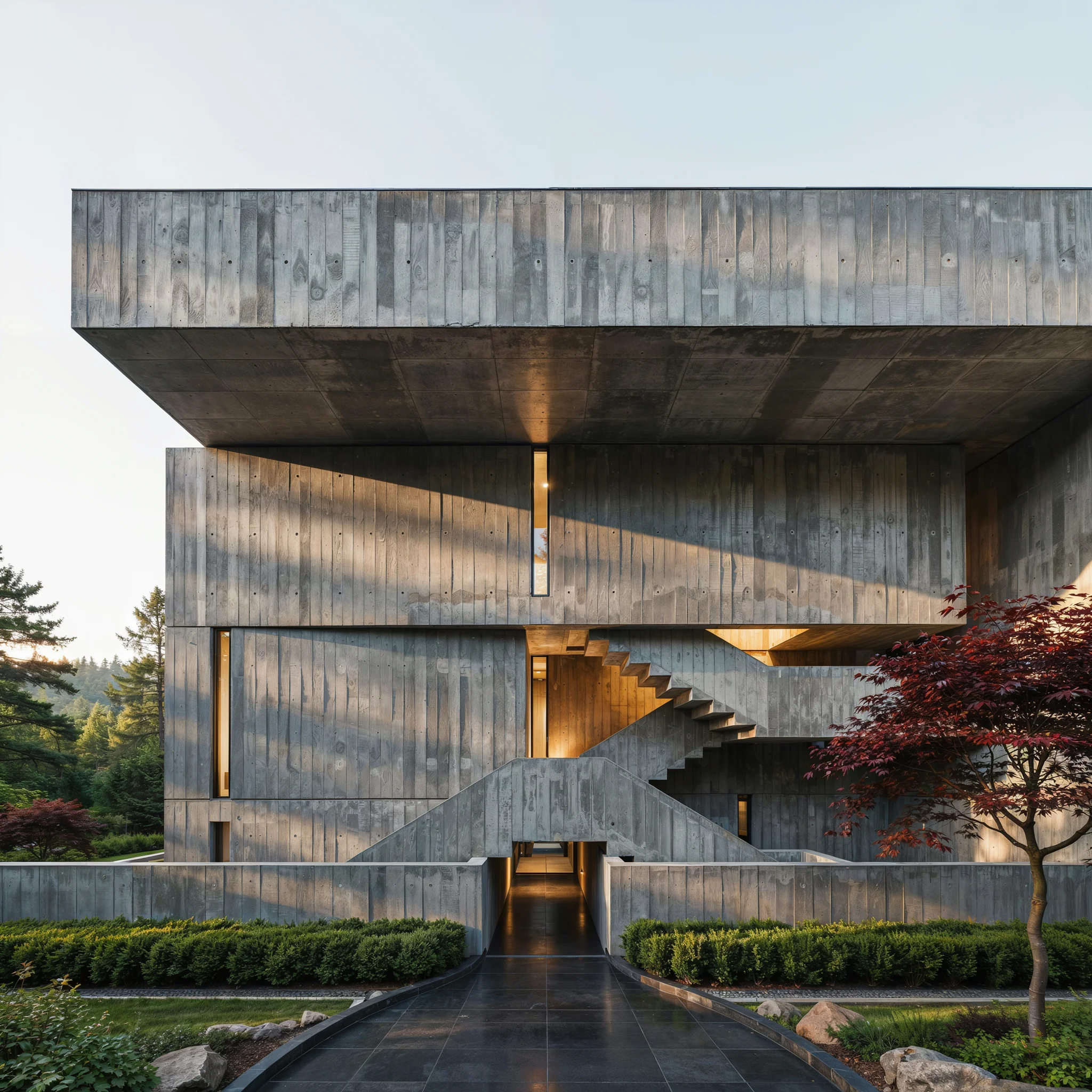
Brutalist reading corners are having a serious moment, and honestly, I get it. There is something about raw concrete, exposed surfaces, and honest materials that makes a reading nook feel grounded rather than staged.
I started exploring this style after feeling exhausted by overly polished interiors, and what I found completely changed how I think about comfort at home.
1. The Concrete Alcove with a Single Pendant Light
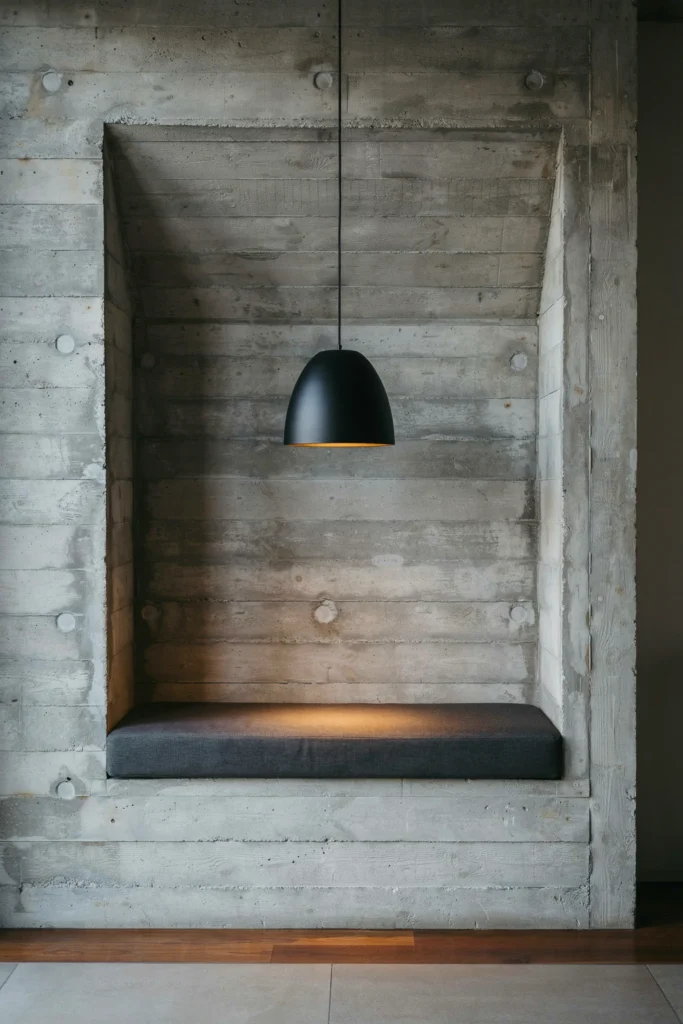
The first time I saw a photo of a reading corner carved directly into a raw concrete wall, I thought it looked more like an art installation than a place to sit. But that is exactly the appeal.
A built-in bench with a cushion in charcoal linen sits flush against the concrete. One pendant light hangs low, casting warm light directly over the reading zone. No shelves crowding the space, no decorative clutter.
What makes it work:
- The contrast between cold concrete and soft fabric
- A single strong light source that creates intimacy
- The built-in seating that makes the nook feel architecturally intentional
If your home has a narrow wall or unused hallway nook, you can recreate this by applying a concrete-look plaster finish and building a simple platform bench.
2. The Industrial Pipe Shelf Corner
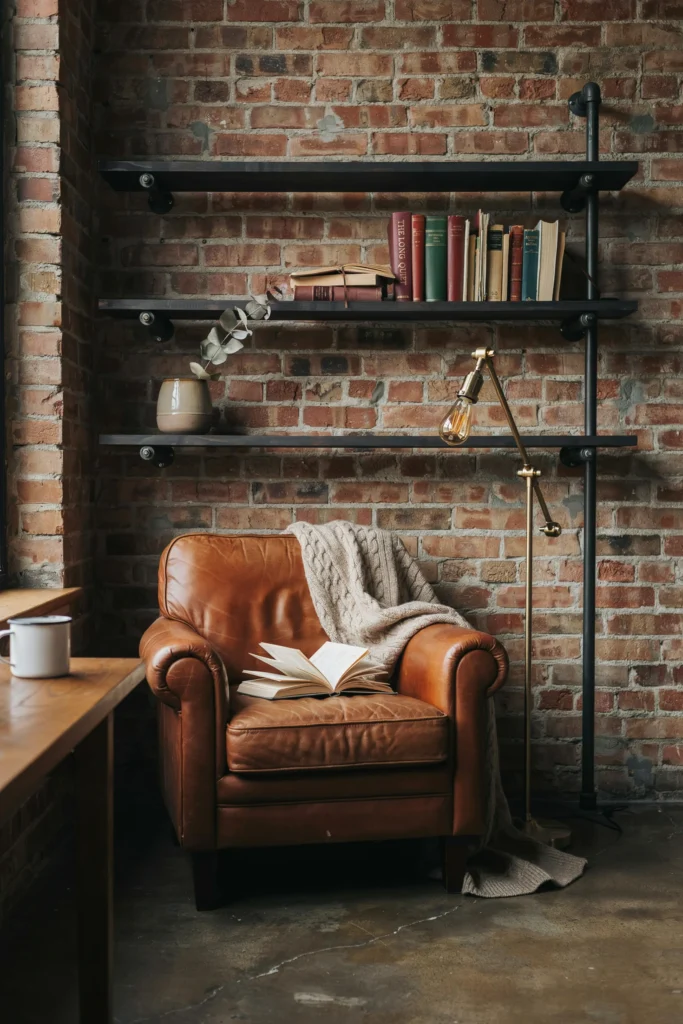
I tried this approach in my own home and it is one of my favorite decisions. Black iron pipe shelving mounted on a brick or textured wall gives you storage and visual weight without looking delicate or generic.
Pair the shelving with:
- A chunky wool throw in oatmeal or charcoal
- A worn leather chair with visible seams
- A stack of oversized books used as both reading material and visual texture
- A low-wattage Edison bulb floor lamp
The pipes read as deliberately industrial without feeling like you are living in a factory. It hits the sweet spot between functional and atmospheric.
3. The Black Resin Floor Corner
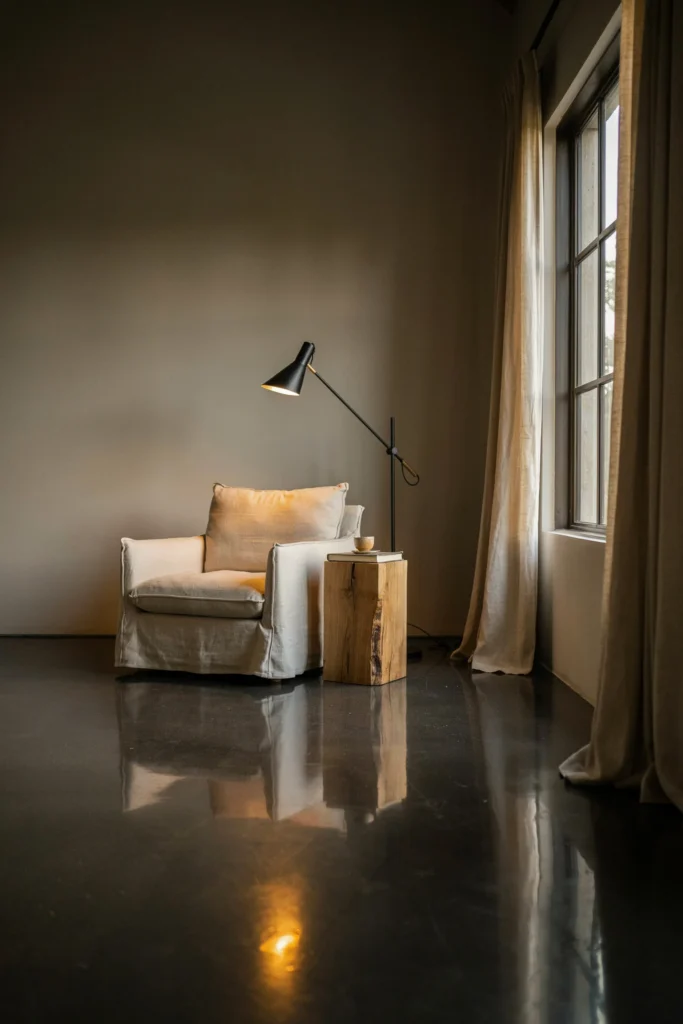
This one surprised me. A glossy black resin floor sounds aggressive, but when a reading corner is built around it with matte walls and natural wood elements, it grounds the whole space beautifully.
The reflection of warm lamplight on the dark floor creates a moody, contained atmosphere that actually encourages you to stay put and read. It almost forces a kind of focus.
Key pairings that work here:
- Matte white or warm gray walls to balance the floor
- A raw oak side table
- Linen curtains that pool slightly at the floor
- Minimal art, if any
4. The Exposed Beam Reading Loft
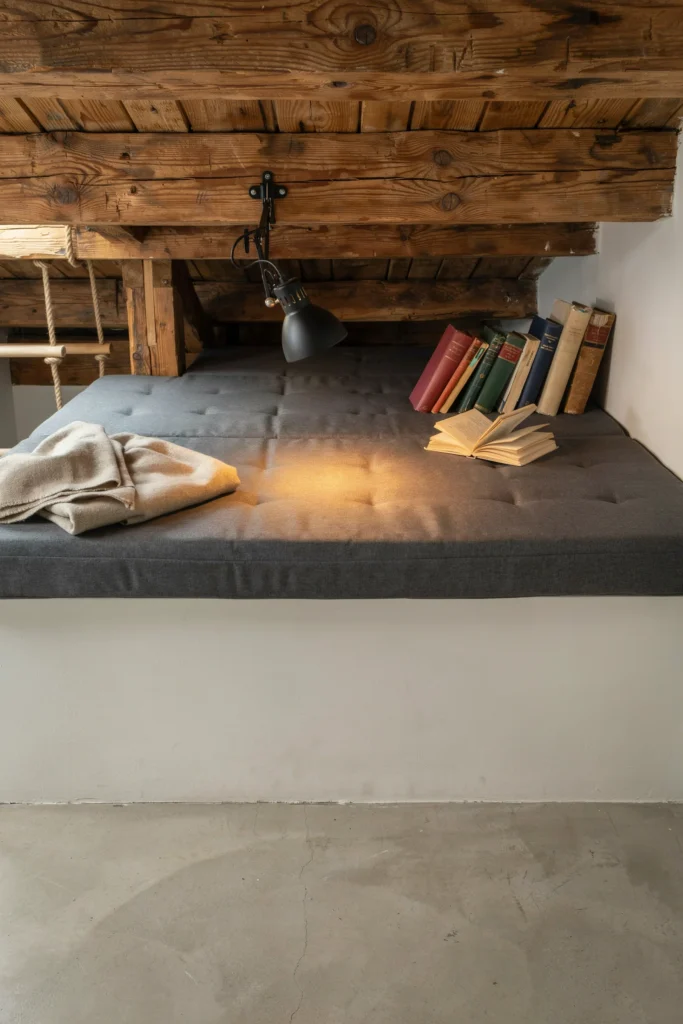
If you have high ceilings or a loft space, exposed wooden beams do a lot of heavy lifting in a brutalist reading corner. They add texture, warmth, and a sense of permanence that drywall simply cannot replicate.
I spent time in a converted warehouse apartment where the owner had created a loft reading area directly beneath exposed original beams. The setup was simple:
- A low platform with a thick mattress-style cushion
- Stacked vintage books along the wall
- One adjustable reading lamp clipped to the beam itself
- A rope ladder for access that doubled as a visual element
The whole thing felt like a treehouse for adults. Completely impractical by some standards, completely right in every other way.
5. The Monochrome Gray Sanctuary
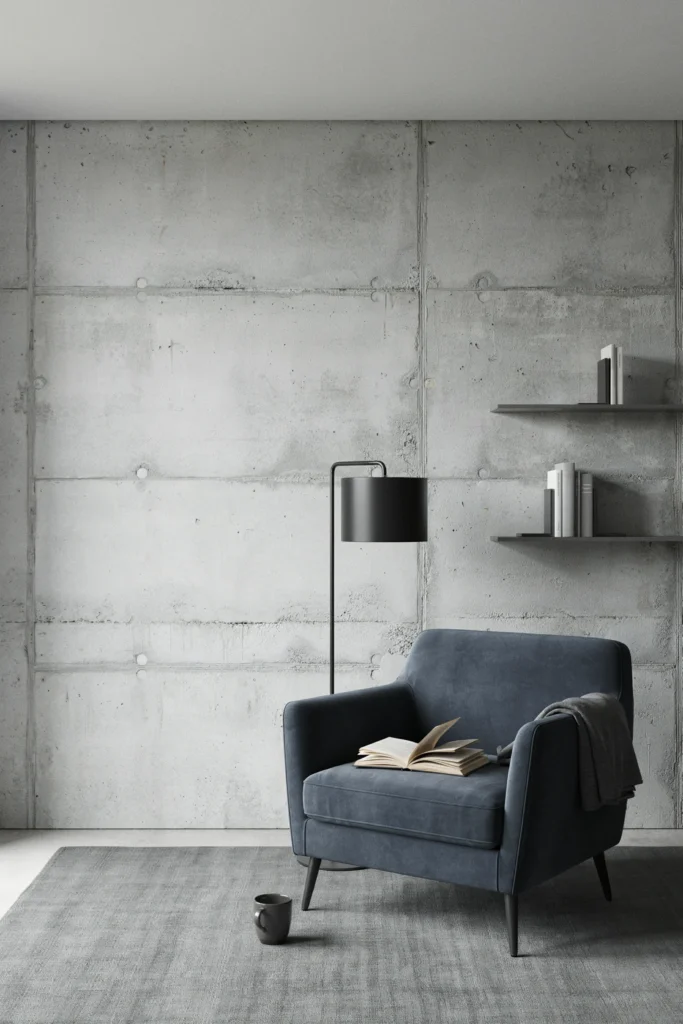
Gray gets dismissed as boring, but in a brutalist reading corner it becomes a full sensory experience when you layer textures properly.
The idea is to commit fully to a gray palette but vary the materials dramatically:
- Rough concrete finish on the main wall
- Smooth plaster on the ceiling
- A velvet armchair in deep slate
- A wool rug with visible weave texture
- Matte black metal bookends and lamp base
The result is a space that reads as quiet and intentional. Nothing fights for attention. You sit down, the outside world fades, and you read.
See Also: 13 Cozy Reading Corners That Feel Like a Dreamy Escape
6. The Recessed Window Seat with Deep Sills
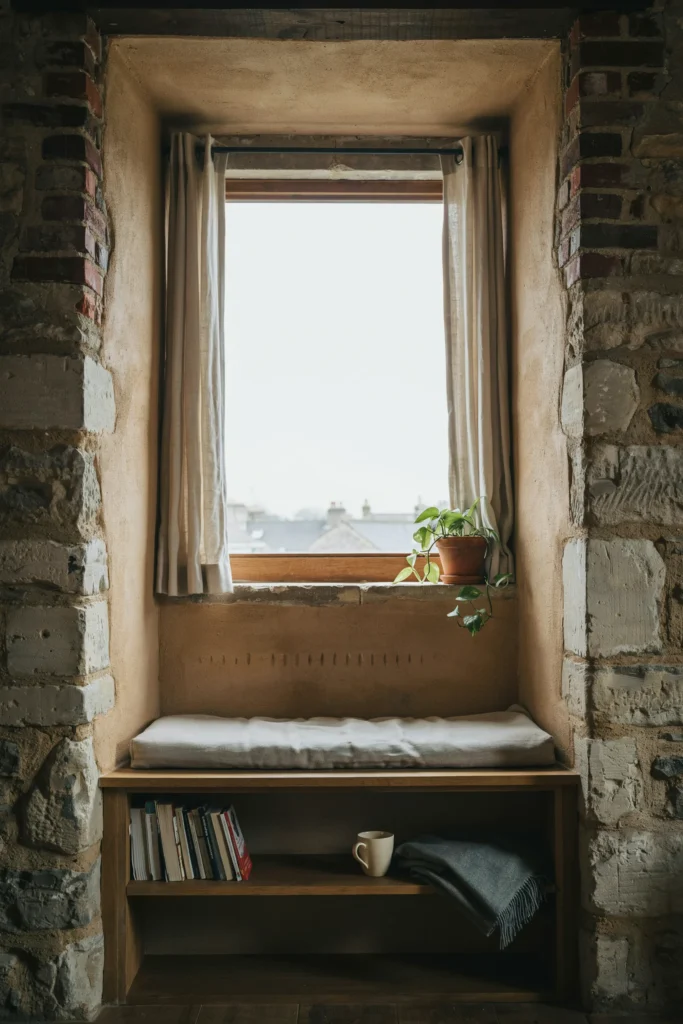
Original to many older homes, a deep window sill becomes a brutalist reading corner when you strip away the decorative framing and let the structural depth of the wall do the work.
Paint the recess in a raw clay tone or leave natural plaster exposed. Add:
- A cushion cut exactly to the sill width
- A small side table or stool beside it
- Thin linen curtains that frame rather than cover the light
- A low bookshelf below the sill
The thickness of the wall becomes the design feature. You are not decorating the corner. You are revealing it.
7. The Brutalist Corner with Vintage Industrial Furniture
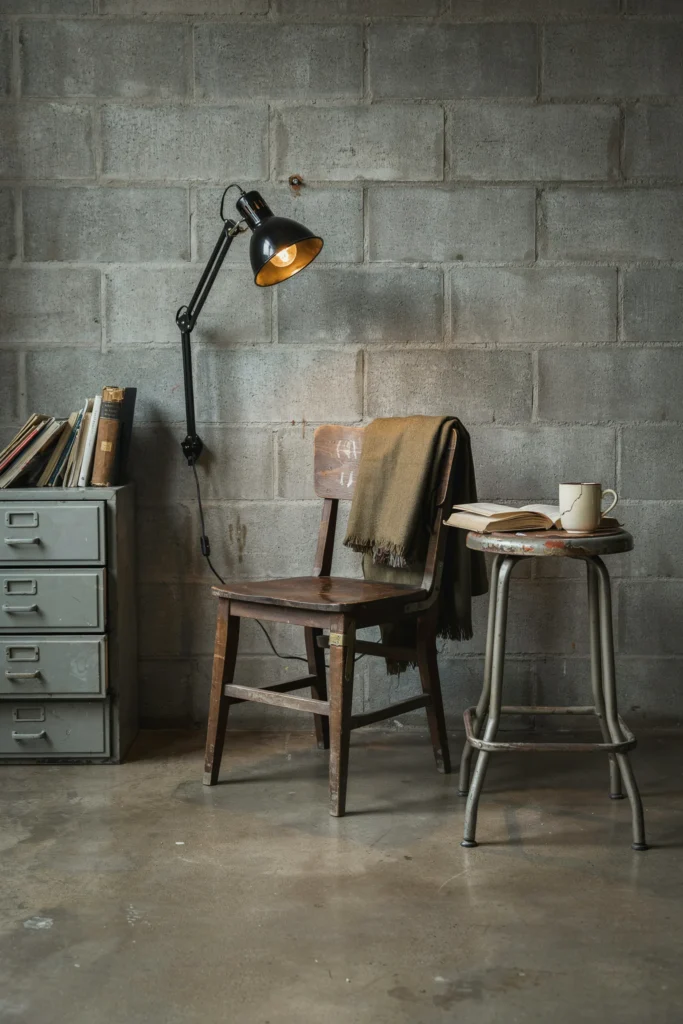
Vintage industrial furniture was built before aesthetics became a primary concern. That honesty is exactly what makes it work so well in brutalist reading corners.
Look for:
- Metal factory stools used as side tables
- Old wooden school chairs with visible repairs or patina
- Filing cabinets repurposed as bookshelves
- Drafting lamps on articulating arms
I picked up a metal factory stool at a market for very little money and it has become the most commented-on piece in my reading space. It is not trying to be anything it is not. That is the whole point.
8. The Warm Wood and Cold Concrete Contrast
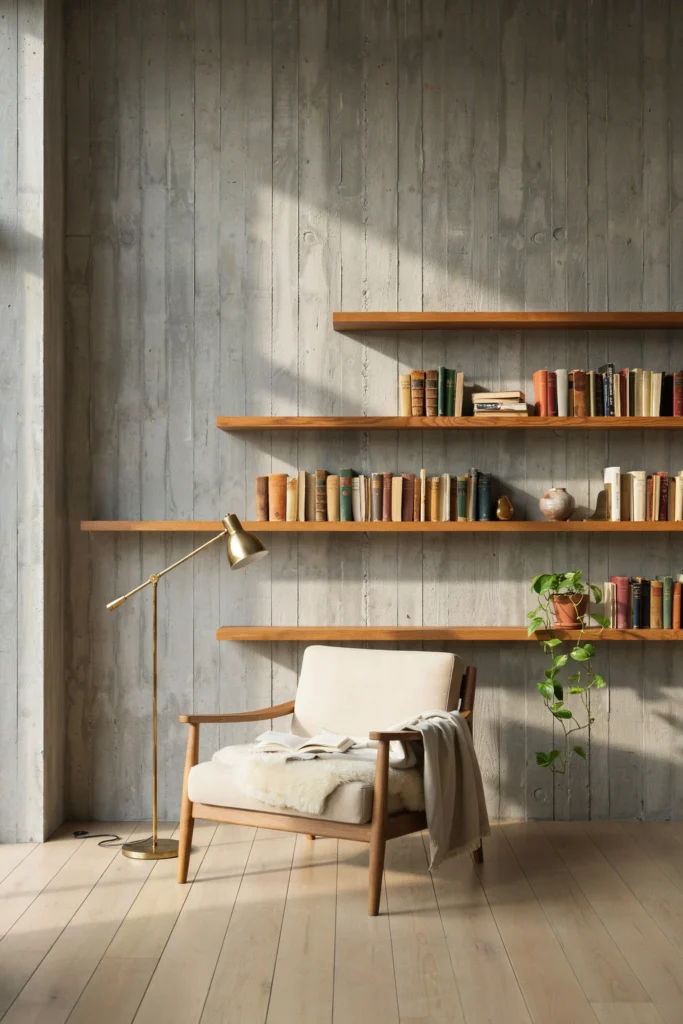
One of the most successful brutalist reading corners I have come across plays a direct game of contrast. Warm, natural wood against cold, raw concrete.
The combination works because concrete never fully loses its chill and wood never loses its warmth. Together they create tension that feels alive.
How to build this contrast:
- Pour or apply a concrete feature wall or fireplace surround
- Mount solid walnut or oak shelves directly into it
- Use a wood-framed armchair or rocking chair
- Add a sheepskin or natural wool throw
- Keep accessories to a minimum so the contrast speaks for itself
9. The High Contrast Black and White Reading Nook
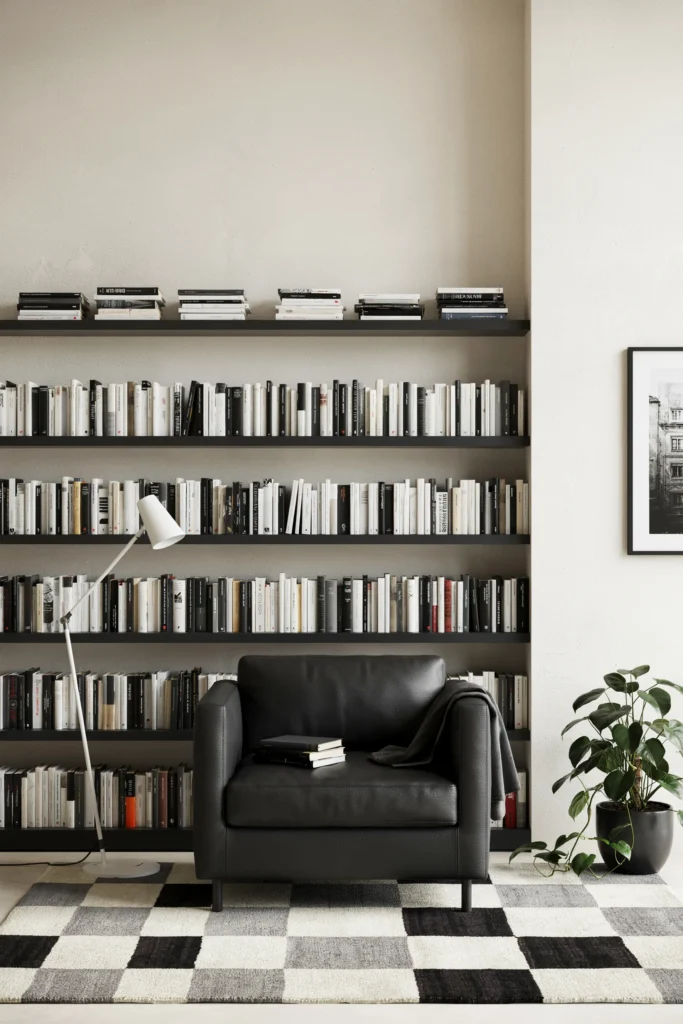
Brutalist reading corners do not always rely on texture alone. Sometimes the power comes from graphic contrast.
A white plaster wall paired with a matte black built-in shelf unit, a black leather reading chair, and a single white architectural lamp creates something that feels both minimal and bold.
What to include:
- A geometric rug in black, white, and gray
- Books arranged spine-out for visual consistency
- A single trailing plant (dark green adds life without color noise)
- One piece of black-framed architectural photography
The space looks intentional without looking decorated.
10. The Textile-Layered Brutalist Nook
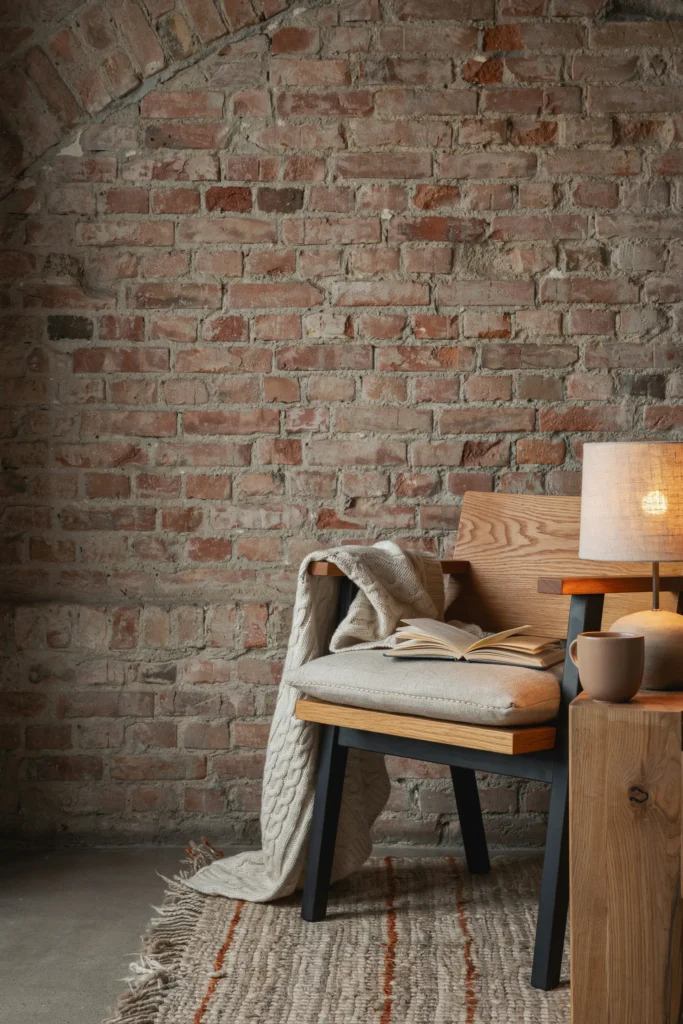
This is the version I recommend most often to people who love the brutalist look but worry it will feel cold. The answer is always textiles.
Start with the harder elements:
- Concrete or brick wall
- Bare wooden floor
- Simple metal or wood furniture
Then layer deliberately:
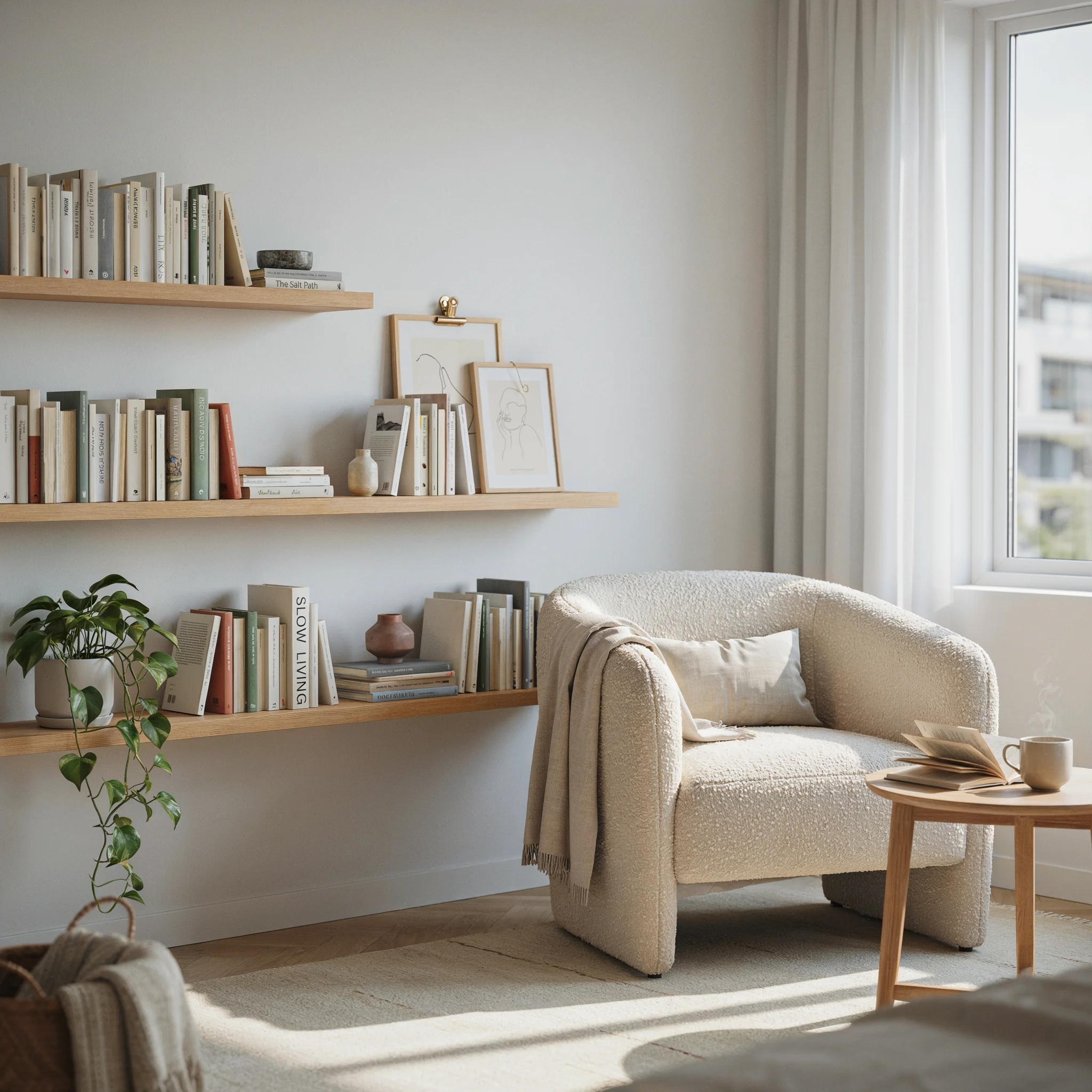
- A heavy-knit wool blanket draped over the chair arm
- A small woven rug under the reading chair
- A linen cushion with visible stitching
- A chunky ceramic mug on the side table
The result is a reading corner that has all the visual weight of brutalism but wraps you up when you settle in with a book.
11. The Brutalist Reading Corner Under the Stairs
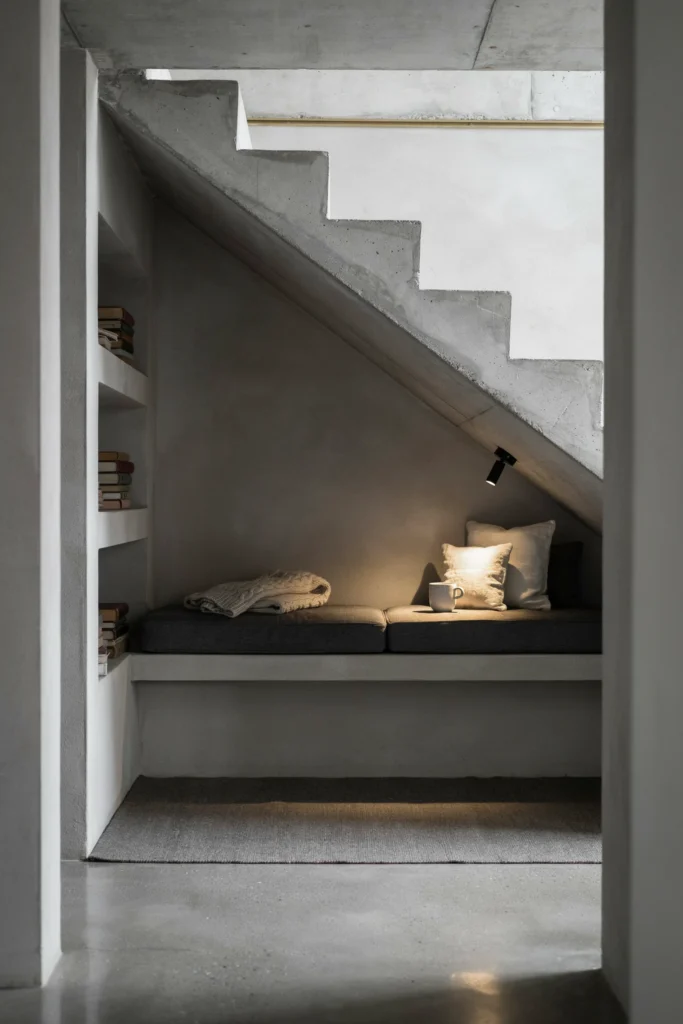
Stairs are one of the most underused spaces in a home. In a brutalist reading corner context, they become a natural structural canopy.
Leave the underside of the stairs exposed or finish it in concrete render. Build a low bench along the back wall of the space. Add:
- Recessed shelf space cut into the wall for books
- A small, directional reading light mounted on the underside of the stairs
- A low-pile rug that defines the space without softening it too much
The geometry of the stairs overhead gives the corner a cave-like quality. Contained, focused, quiet.
12. The Courtyard-Facing Brutalist Reading Seat
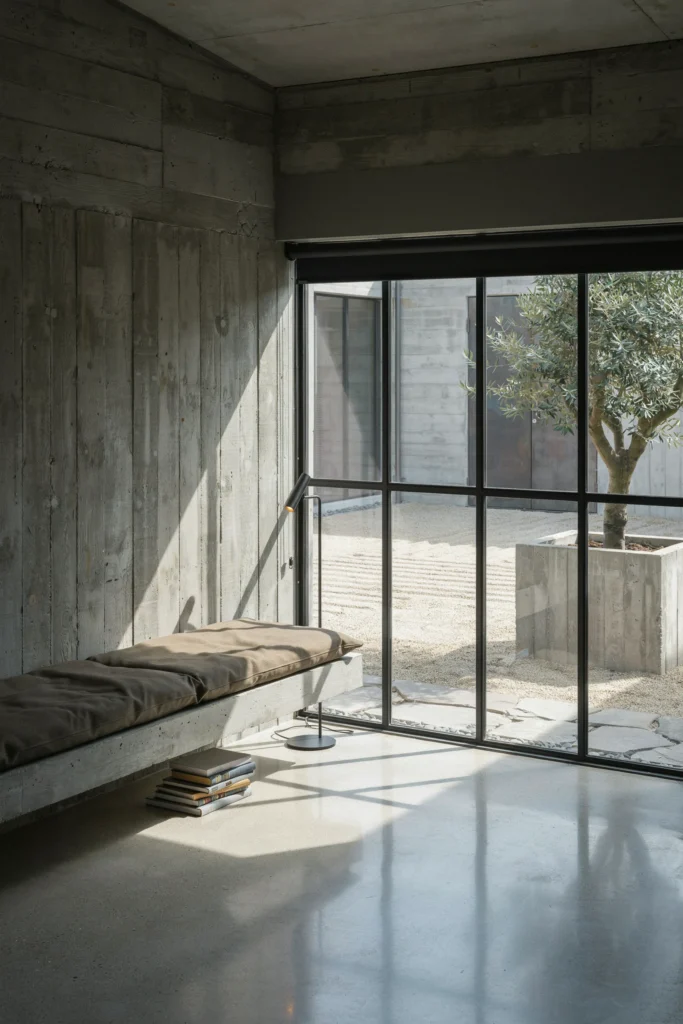
This last one is for homes with access to a small internal courtyard or a view that is more utilitarian than picturesque. Industrial windows, rough external walls, a patch of gravel or stone outside.
The reading corner faces outward toward this honest, unpolished view rather than turning away from it. The space inside matches the rawness outside:
- A concrete bench with a thick cushion
- Steel-framed windows left bare or with simple roller shades
- A metal floor lamp with a directional head
- Books stacked directly on the floor beside the seat
Reading here feels grounded in a literal sense. You are connected to the material world rather than cushioned from it.
Final Thoughts: Cozy Does Not Have to Mean Soft
What I have learned from exploring brutalist reading corners is that comfort is not just about softness. It is also about intention. A space that knows exactly what it is, that does not apologize for the weight of its walls or the roughness of its materials, invites you to settle in and be present in a way that more polished spaces often do not.
You do not need a warehouse conversion or a poured concrete home to bring this into your life. A concrete plaster wall, a few honest materials, and a commitment to stripping back what does not serve the space is enough to get there.
Pick one corner. Strip it back. Let the materials breathe. Then add one good chair and one good light.
That is really all a reading corner needs to be.