


In This Article Show
I picked up sewing mostly out of frustration with how much basic alterations cost, and it genuinely turned into one of the more practical hobbies I have taken on since almost everything I make actually gets used around the house. Sewing projects can be as simple as a straight line of stitches on a pillowcase or as involved as a fitted top, and I have found the best way to actually finish things is starting with projects that match your real skill level instead of jumping straight to something ambitious. Some of the ideas here need nothing but a needle and thread, others use a machine and a bit more fabric, but none of them require expensive equipment or years of experience. Whether you are making something for the kitchen, a quick gift, or your own closet, there is a project here that fits. Here are fifteen sewing projects that were genuinely worth the fabric and thread.
1. Simple Cotton Tote Bag

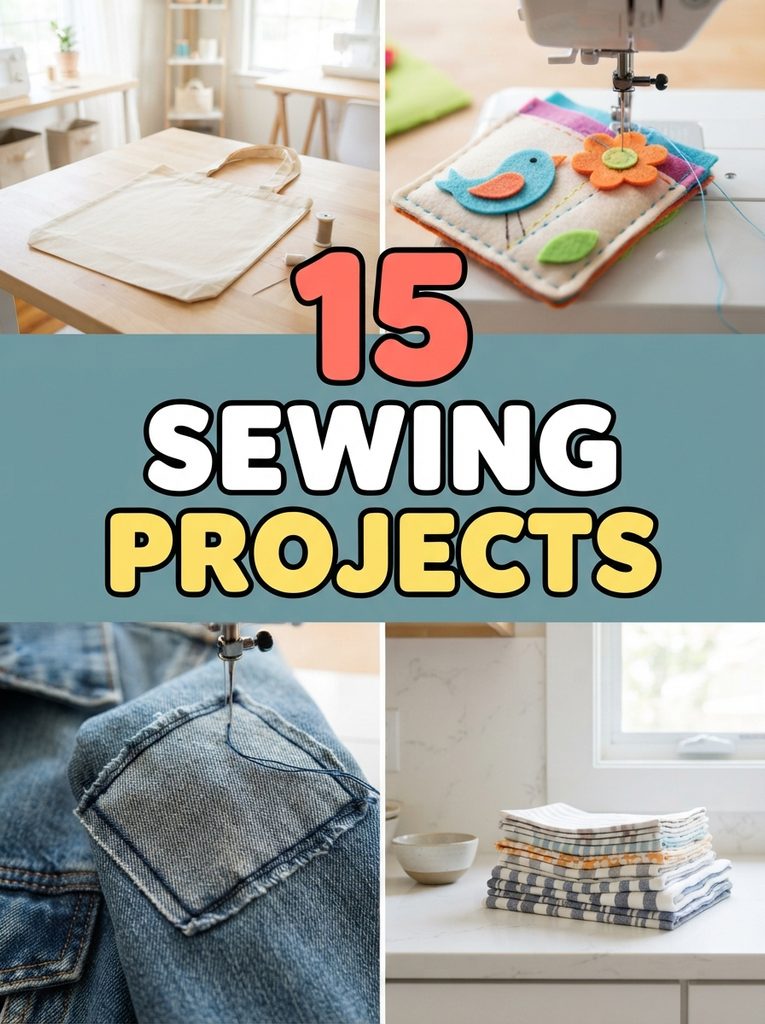
A basic tote bag made from two rectangles of sturdy cotton and a pair of straps is honestly the project I recommend to almost every beginner since it only needs straight seams. I like using a heavier canvas or duck cloth rather than a lightweight cotton, it holds its shape much better once you start actually using the bag for groceries or books. A tip I picked up is reinforcing the strap attachment points with a small square of stitching rather than a single line, it is the spot that takes the most stress over time.
2. Easy Elastic Waist Skirt
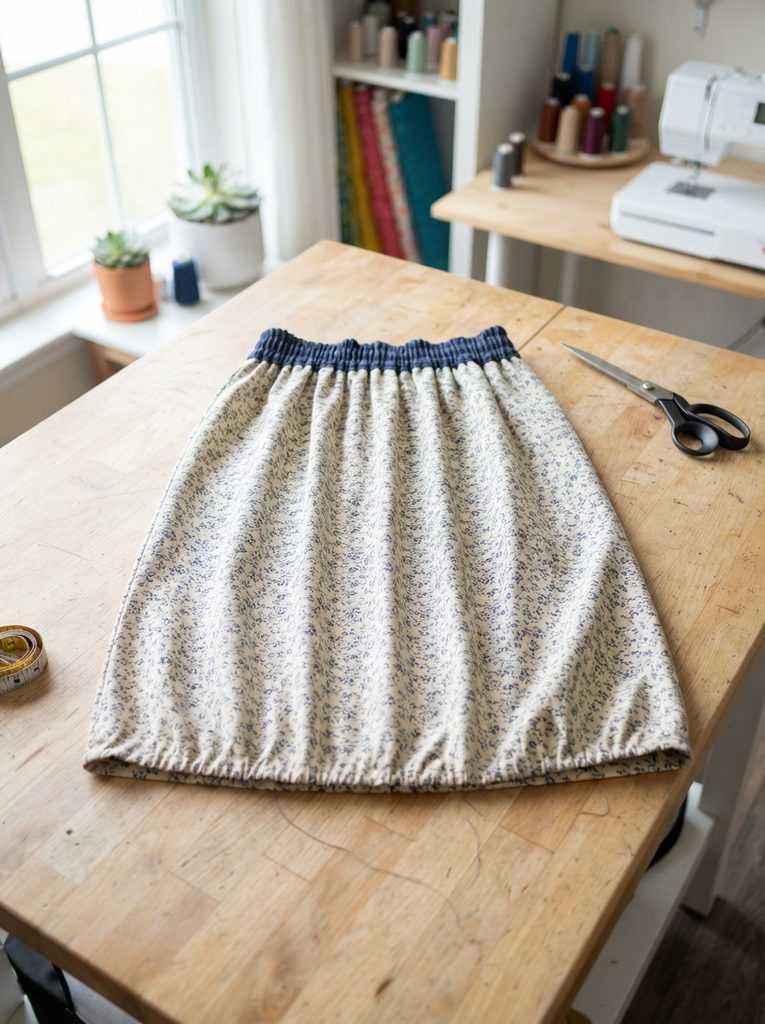
An elastic waist skirt is genuinely one of the easiest clothing items to sew since there is no zipper, no fitted waistband, and no complicated pattern pieces involved. Honestly this is a great confidence builder if you want to move from simple home items into actual clothes without a steep learning curve. A practical tip, cut the elastic slightly shorter than your waist measurement, elastic stretches out over time and a snug fit at first keeps the skirt from sliding down after a few washes.
3. Hand Sewn Felt Pouch
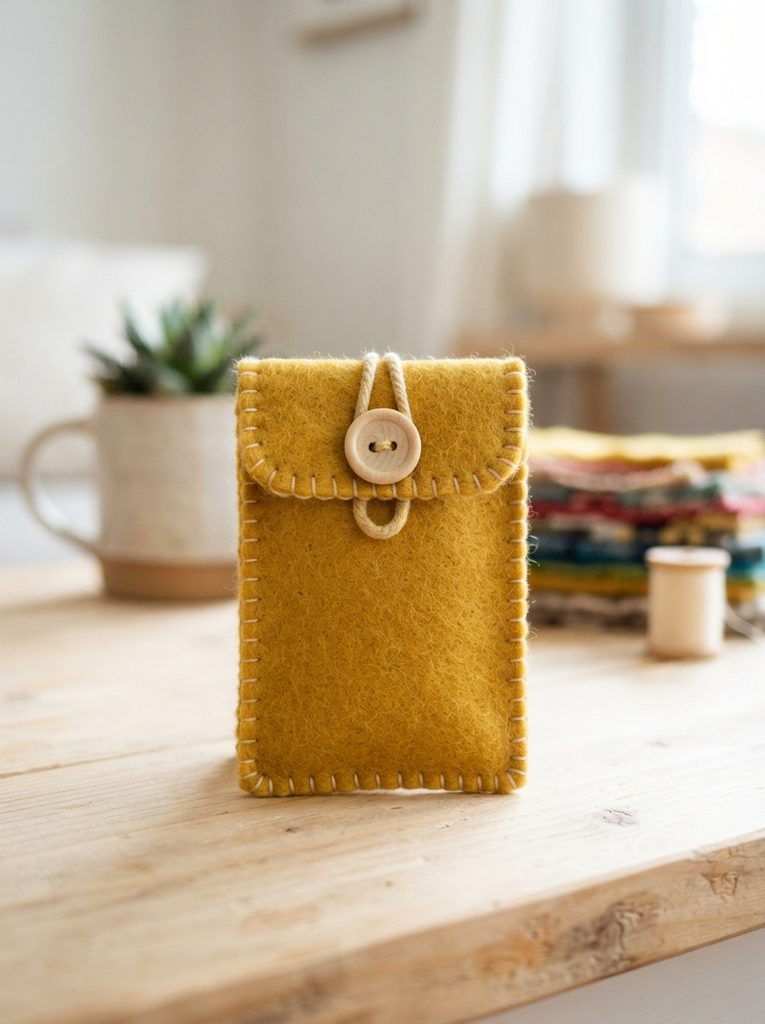
Felt is honestly one of the most forgiving fabrics for hand sewing since it does not fray at the edges the way woven cotton does, which means no hemming is needed at all. I like using a simple whip stitch around the edges of a small pouch, it looks intentional even if your stitches are not perfectly even yet. This is a great project to keep in a bag for waiting rooms or car rides since it needs no machine and very little space to work.
4. Quick Weekend Pillowcase
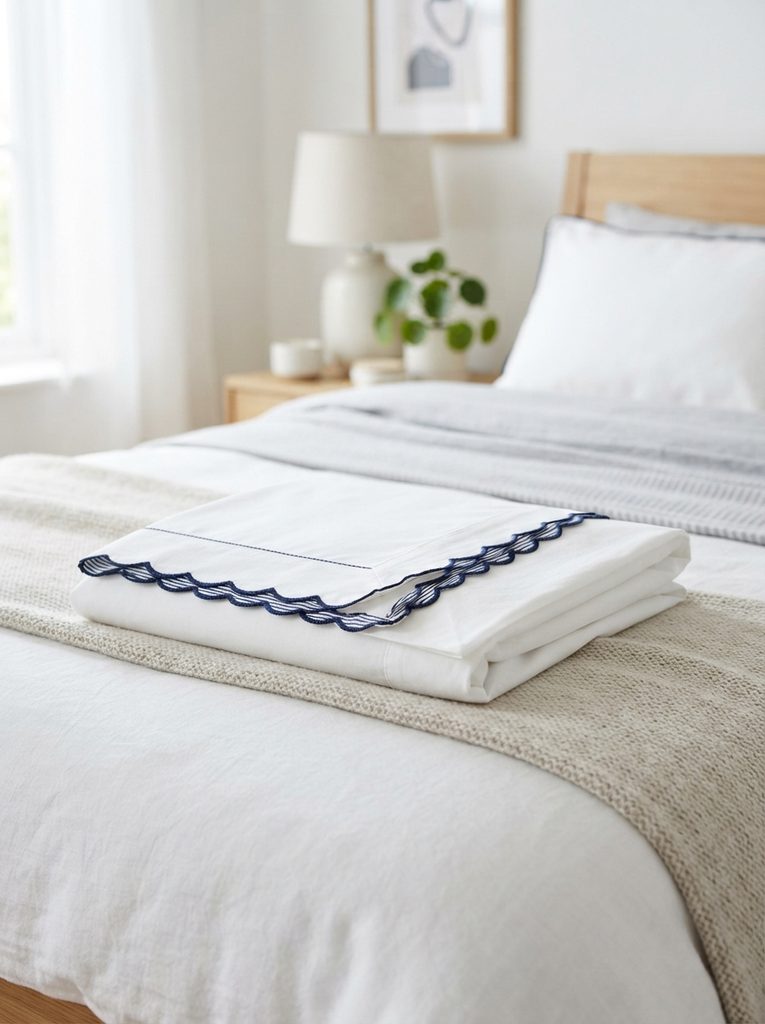
A basic pillowcase is genuinely one of the fastest sewing projects out there since it is essentially one long seam and a folded edge, often finishable in under an hour start to finish. Honestly this is a great project when you want the satisfaction of finishing something in a single sitting rather than a project that spans several days. A tip here is adding a contrasting fabric band near the opening, it takes almost no extra time but makes the finished pillowcase look far more deliberate.
5. Denim Patch Repair Project
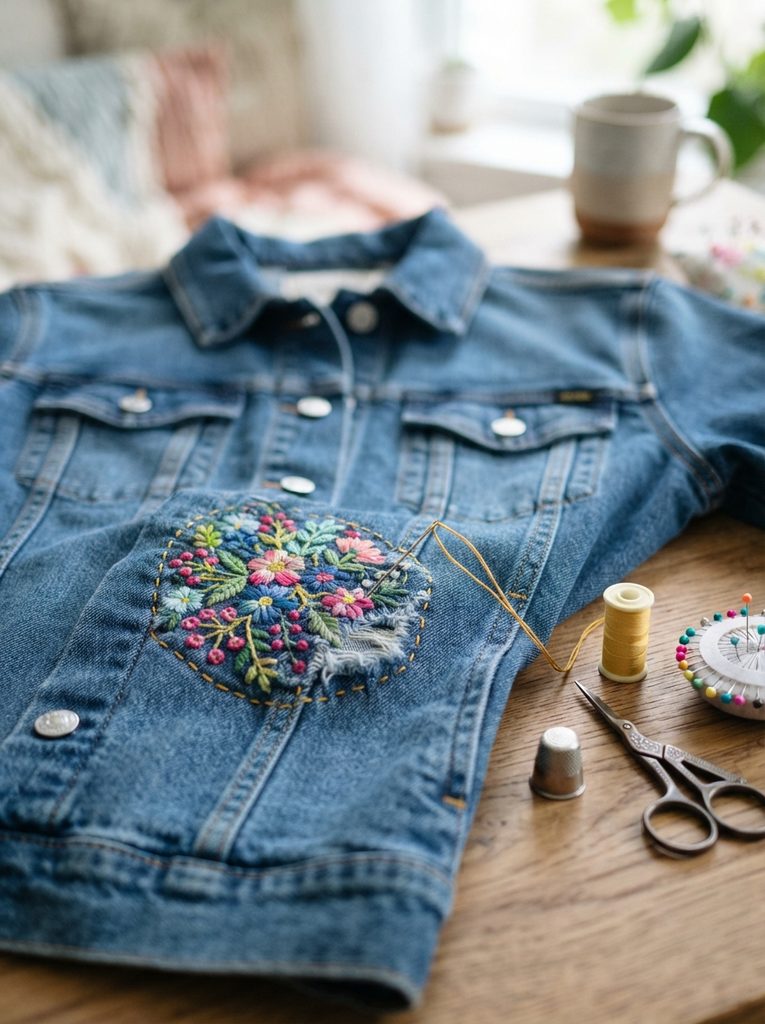
Patching worn denim with a contrasting fabric patch, rather than trying to hide the repair, has genuinely become one of my favorite small projects since it turns a flaw into a deliberate design choice. In my experience a zigzag stitch around the patch edge holds up much better against denim’s thickness than a straight stitch would. This is a satisfying way to extend the life of a favorite pair of jeans or a jacket instead of replacing it entirely.
6. Practical Kitchen Cloth Napkins
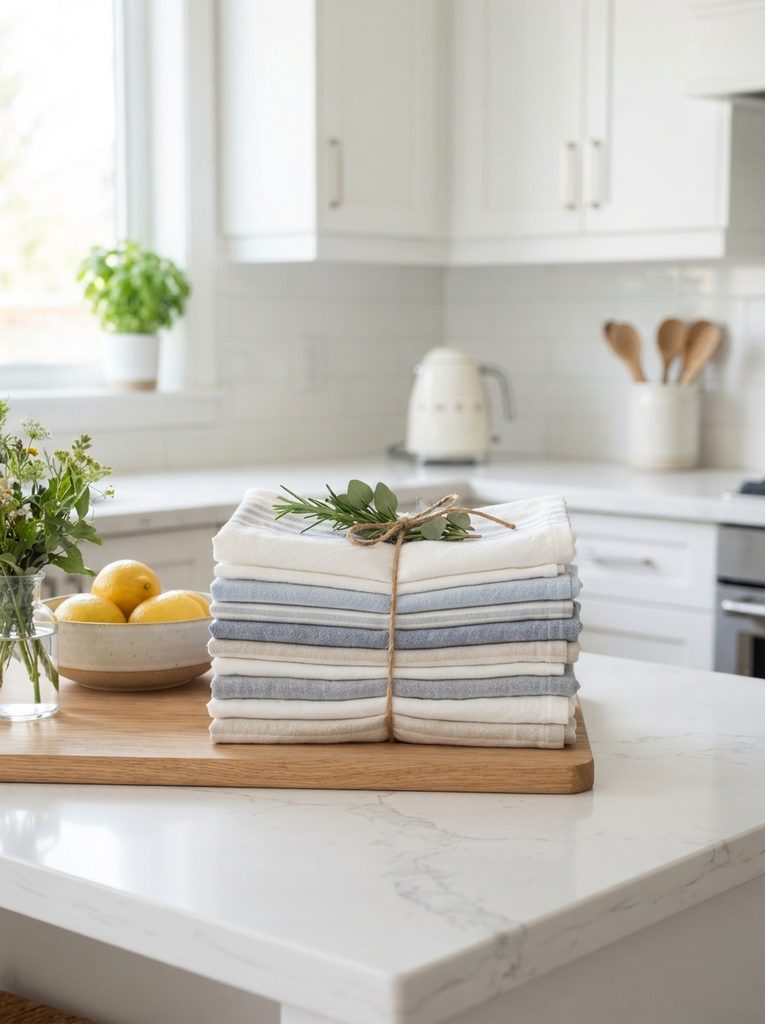
A set of simple hemmed cloth napkins is one of the most practical projects on this list since they genuinely replace paper napkins in daily use once you have a full set made. Honestly a mitered corner fold gives a much more finished look than a plain straight hem, and it is not much harder once you practice the fold a couple of times. A tip I picked up is making at least six to eight in one batch, it is far more efficient to set up your machine once for a full set than to make a couple at a time repeatedly.
7. Kids Drawstring Bag
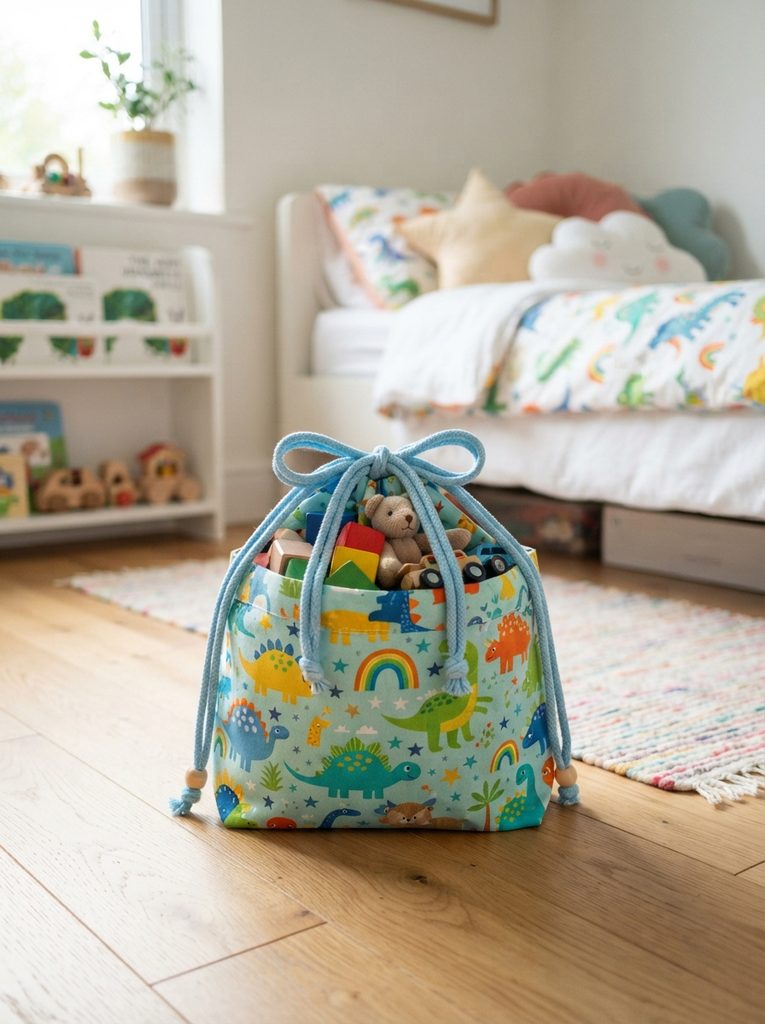
A small drawstring bag in a bright, fun print is a genuinely useful project for organizing kids toys, shoes, or sports gear, and the drawstring closure means no zippers or buttons to fuss with. I like using a sturdy cotton for the bag body and a length of cord or ribbon for the drawstring rather than thin string, it holds up better to the pulling and tugging that kids naturally do. A practical tip, reinforce the eyelet holes where the drawstring passes through with a small zigzag stitch, this spot wears out fastest with repeated use.
8. Scrap Fabric Coasters
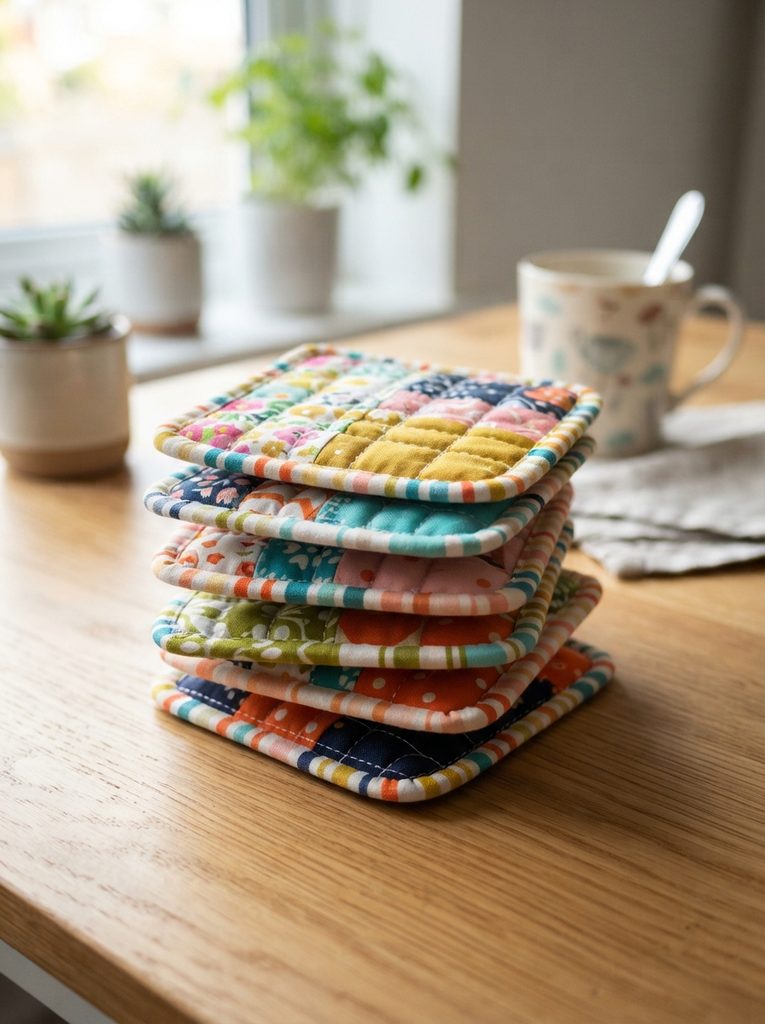
Scrap fabric coasters are honestly the best project for using up small leftover pieces that are too little for anything else but too nice to throw away. In my experience layering a piece of cotton batting between two fabric layers gives the coaster enough thickness to actually protect a table surface, not just look decorative. This is a nice project to batch make since you can mix and match whatever scraps you have without needing them to coordinate perfectly.
9. Simple Men’s Bow Tie
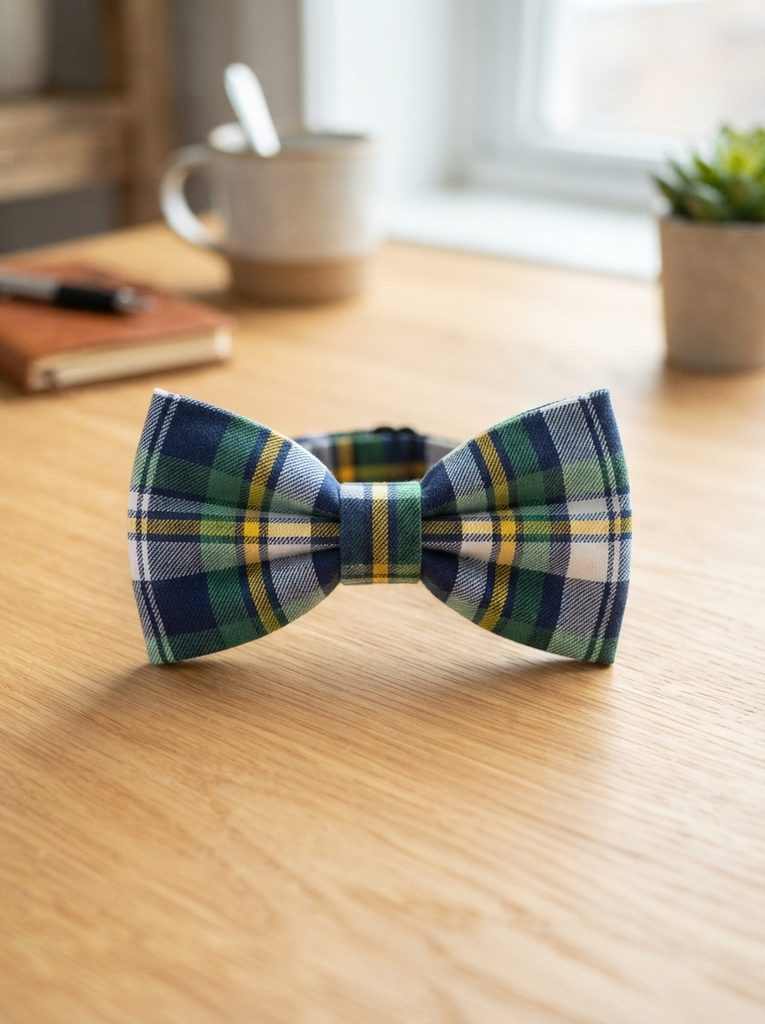
A fabric bow tie is a fun, small scale sewing project that makes a genuinely nice handmade gift, and it uses barely any fabric compared to most other projects on this list. Honestly getting the center pinch and knot band right takes a couple of practice attempts, but once you have the technique down it goes quickly. A tip I picked up is interfacing the fabric before sewing, it gives the bow tie enough structure to hold its shape rather than flopping.
10. Beginner Friendly Zip Pouch
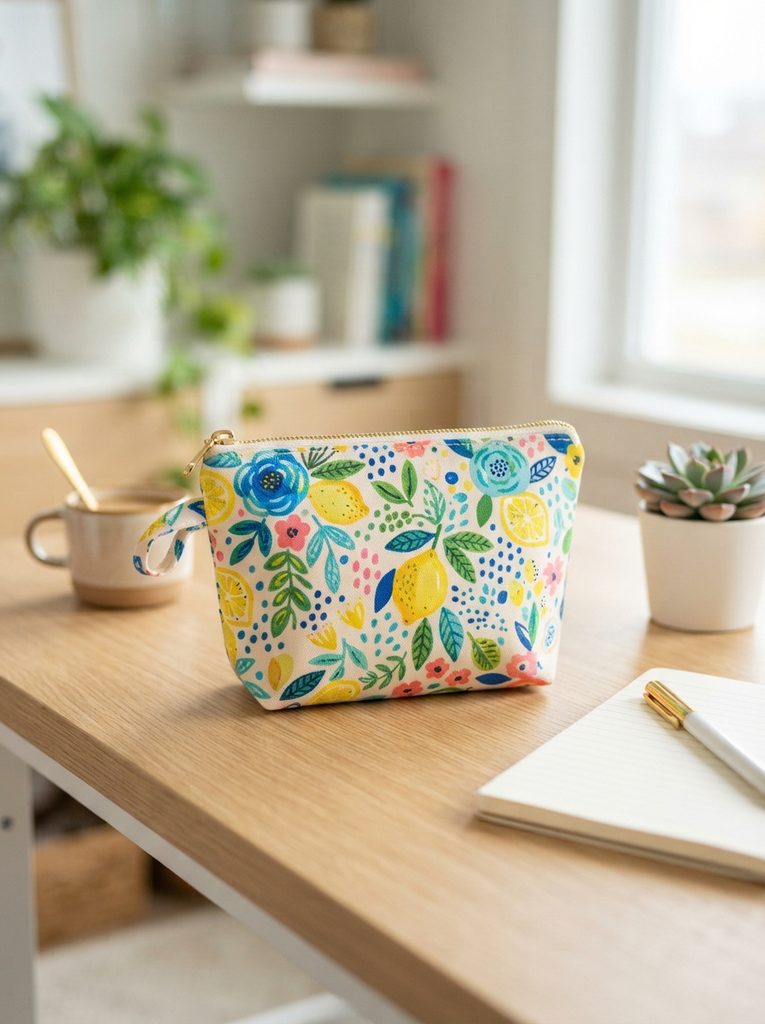
A simple zip pouch is genuinely a great next step once you have mastered straight seams, since it introduces sewing with a zipper without the complexity of an actual garment closure. In my experience basting the zipper in place with a few hand stitches before machine sewing keeps it from shifting, which is the most common mistake beginners run into with this project. This makes a practical everyday item for pens, makeup, or small tools once finished.
11. Whimsical Stuffed Fabric Animal

A simple stuffed animal with a basic body shape and hand embroidered features is a genuinely charming project that does not require a complicated pattern to look sweet. I like keeping the shape simple, an oval body with small ears, rather than attempting anything too detailed for a first try at this type of project. A practical tip, stuff firmly but not overly tight, an overstuffed shape tends to pull at the seams over time.
12. Everyday Cotton Top

A loose fitting cotton top with simple set in sleeves is a good clothing project once you feel confident with basic construction, since a relaxed fit is more forgiving of small fitting adjustments than something more tailored. Honestly starting with a pattern that has minimal pieces, just a front, back, and sleeves, keeps the whole project manageable for a first garment attempt. A tip I picked up is making a quick muslin test version from cheap fabric first, it saves your good fabric if the fit needs adjusting.
13. Summer Fabric Headband
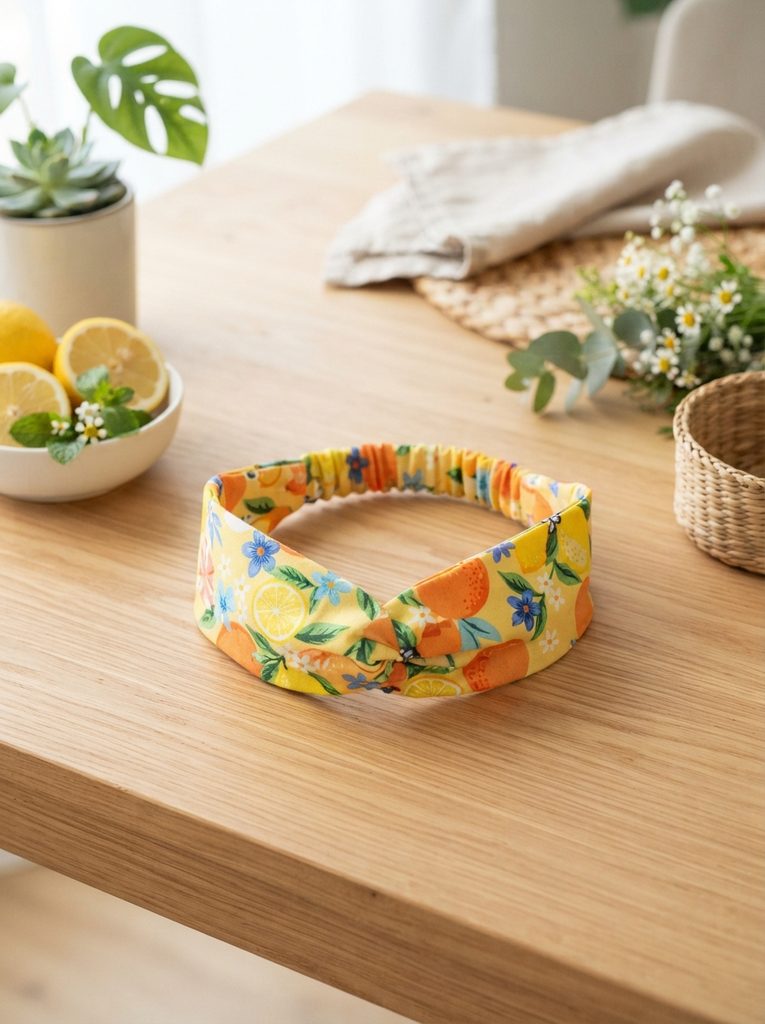
A simple fabric headband is one of the quickest summer sewing projects, using just a strip of fabric and a bit of elastic to make something you will actually reach for often. I genuinely think a lightweight cotton works best for this project since it stays comfortable even in warmer weather compared to a heavier fabric. A tip here is topstitching down the center of the folded strip before attaching the elastic, it keeps the fabric from twisting once it is finished.
14. Hand Sewn Mending Kit Practice
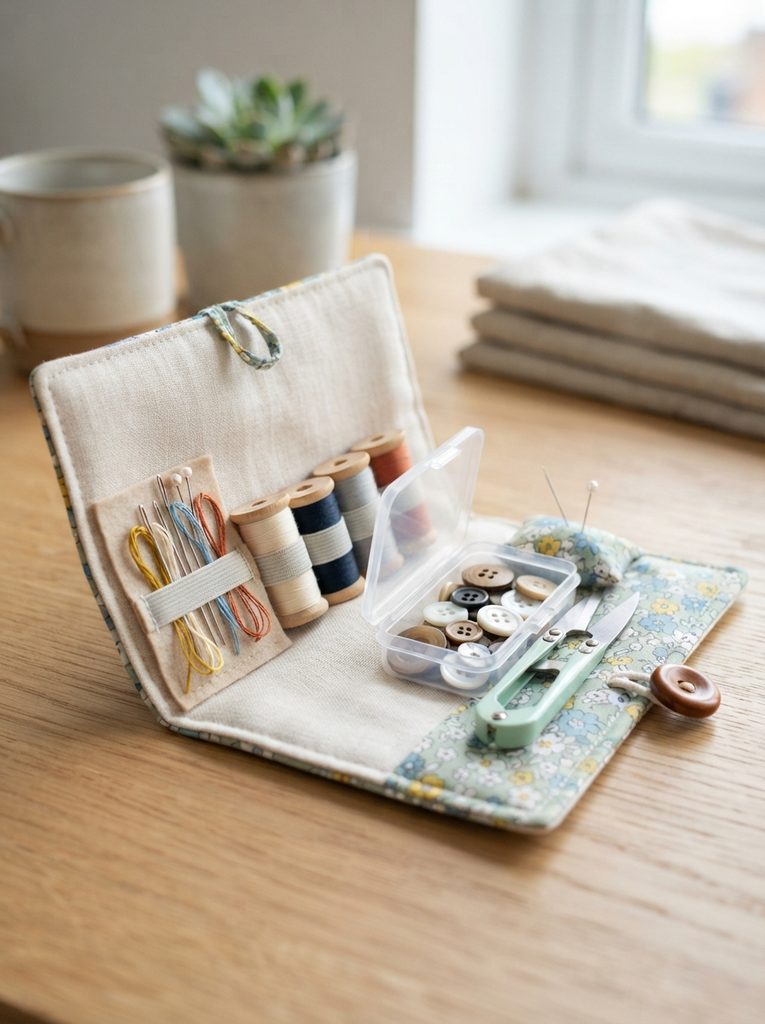
Making a small hand sewn case to hold your own mending supplies, needles, thread, spare buttons, is a practical project that also doubles as practice for basic hand stitches like running stitch and backstitch. I like adding a felt page inside for storing needles safely, it keeps them from poking through the fabric when the case is closed. This is a genuinely useful item to actually keep nearby once finished, rather than something that just sits on a shelf.
15. Free Pattern Baby Bib
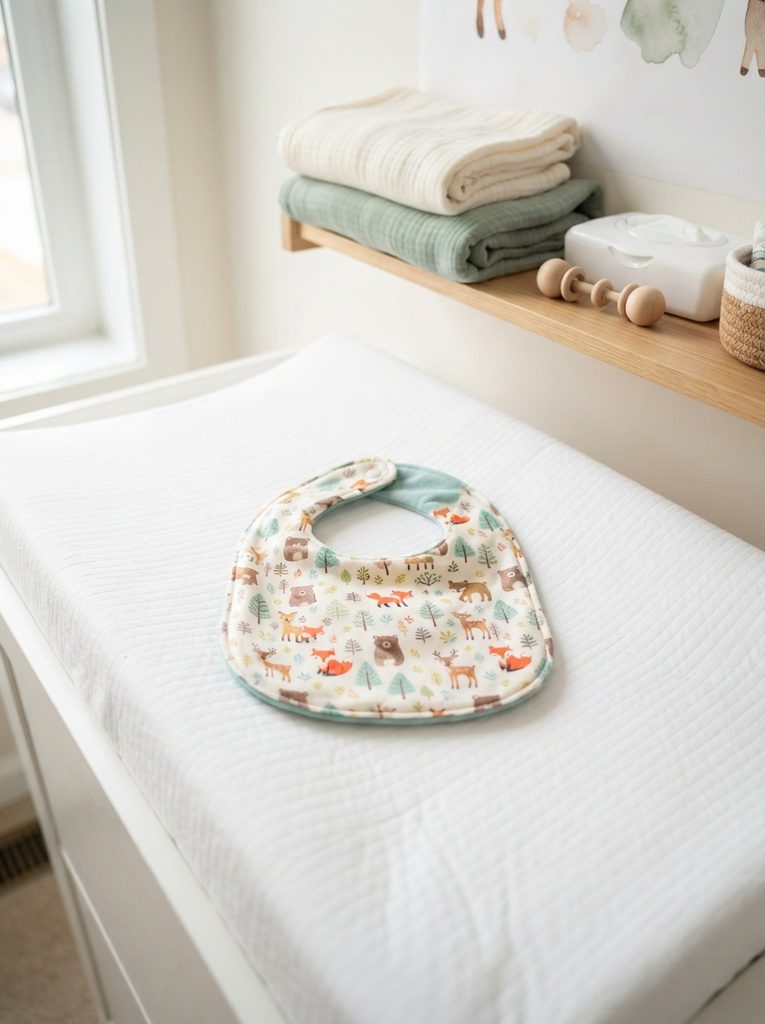
A simple baby bib is a small, fast project that works well with a free pattern traced from any bib you already own, since the shape is easy to copy without needing a purchased pattern. Honestly this is a great project for using up smaller fabric scraps since a bib needs so little material per piece. A practical tip, use a snap closure rather than ties for a baby item, it is both safer and easier for a caregiver to use one handed.
Final Thoughts on Sewing Projects
Looking back at all fifteen of these, the range really shows how much sewing can flex to fit whatever time, skill level, or materials you actually have on hand, from a five minute hand sewn pouch to a full cotton top that takes an afternoon. Beginners genuinely do well starting with the tote bag, pillowcase, or felt pouch before moving toward anything with a zipper or fitted seams. Whichever project you pick first, having a small stack of finished, actually useful items is honestly one of the most satisfying parts of picking up sewing as a hobby.