



In This Article Show
Picking the right material to surround your above ground pool changes everything about how the space looks and functions. The wrong choice leads to muddy feet, weed problems, and surfaces that turn into a skillet in July.
This guide walks you through every major option so you can pick what actually works for your yard, your budget, and how you plan to use the space.
Key Factors to Consider Before Choosing
Before you spend a dollar on materials, think through these points first. Skipping this step is how people end up with beautiful pavers that crack after one winter or gravel that migrates into the pool every time someone runs through the yard.
Drainage is the first thing to get right. Water needs somewhere to go after rain or splashout. Materials that trap moisture against the pool wall can cause rust on steel walls and mold on soft-sided pools.
Foot traffic and safety matter more than most people expect. Wet feet on the wrong surface can send someone down fast. Look for materials that offer grip when wet, not just when dry.
Heat retention is a real comfort issue in summer climates. Dark concrete and some pavers can get hot enough to blister bare feet by noon. If your pool gets afternoon sun, that is something to plan around.
Maintenance level varies wildly between materials. Gravel needs occasional raking and topping off. Wood decking needs annual sealing. Composite needs almost nothing. Be honest about how much upkeep you will actually do.
Budget covers both the install cost and the long-term cost. Some cheap options end up costing more over five years once you factor in repairs, replacements, and weed control.
Pool type compatibility also plays a role. Soft-sided and inflatable pools have weight and structural limits that affect what you can build around them.
Top Material Options
A. Wood Decking (Classic and Customizable)
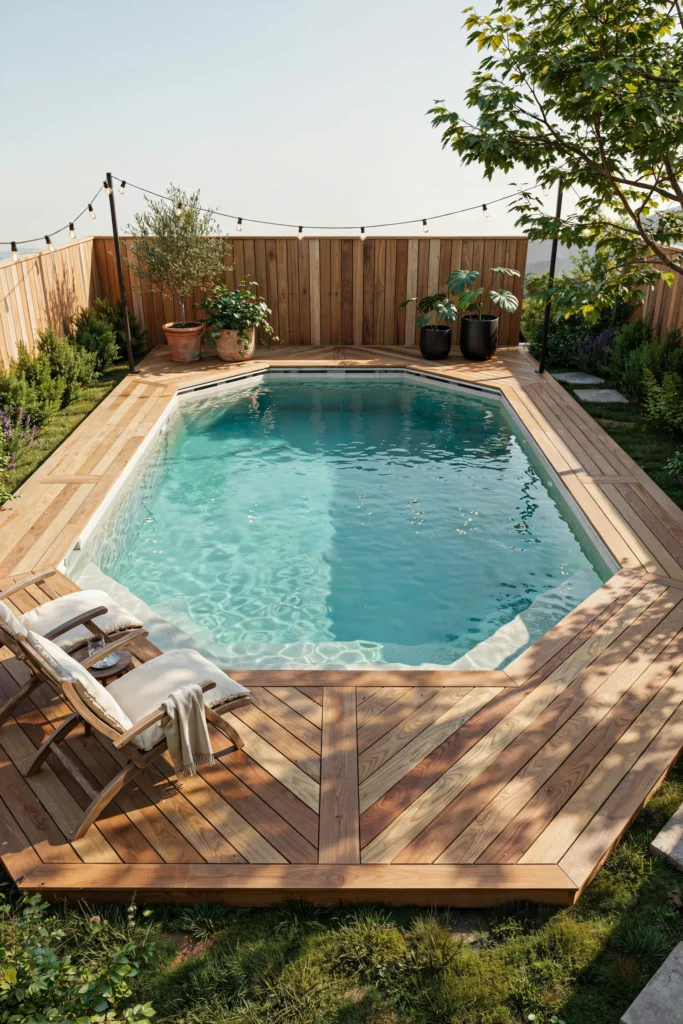
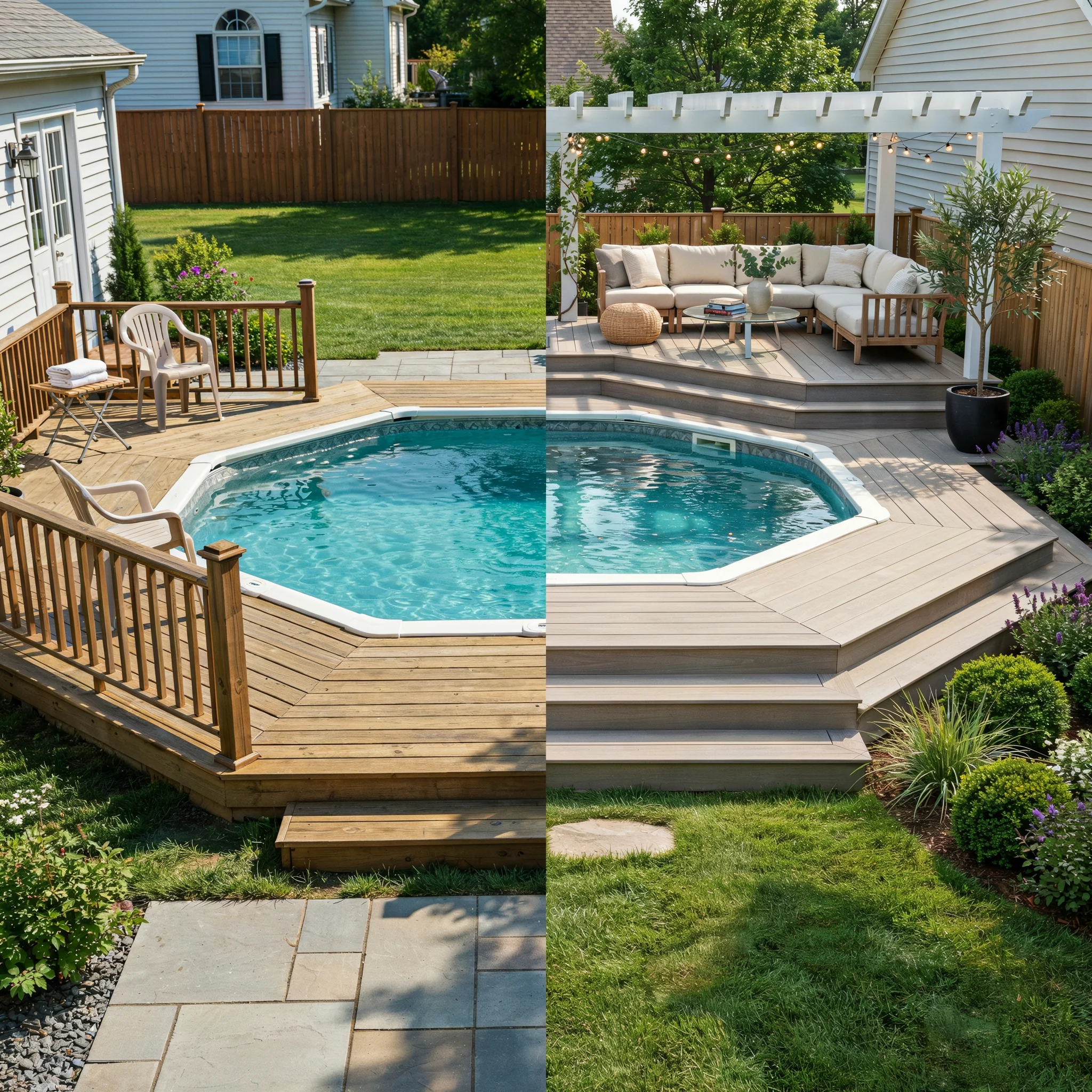
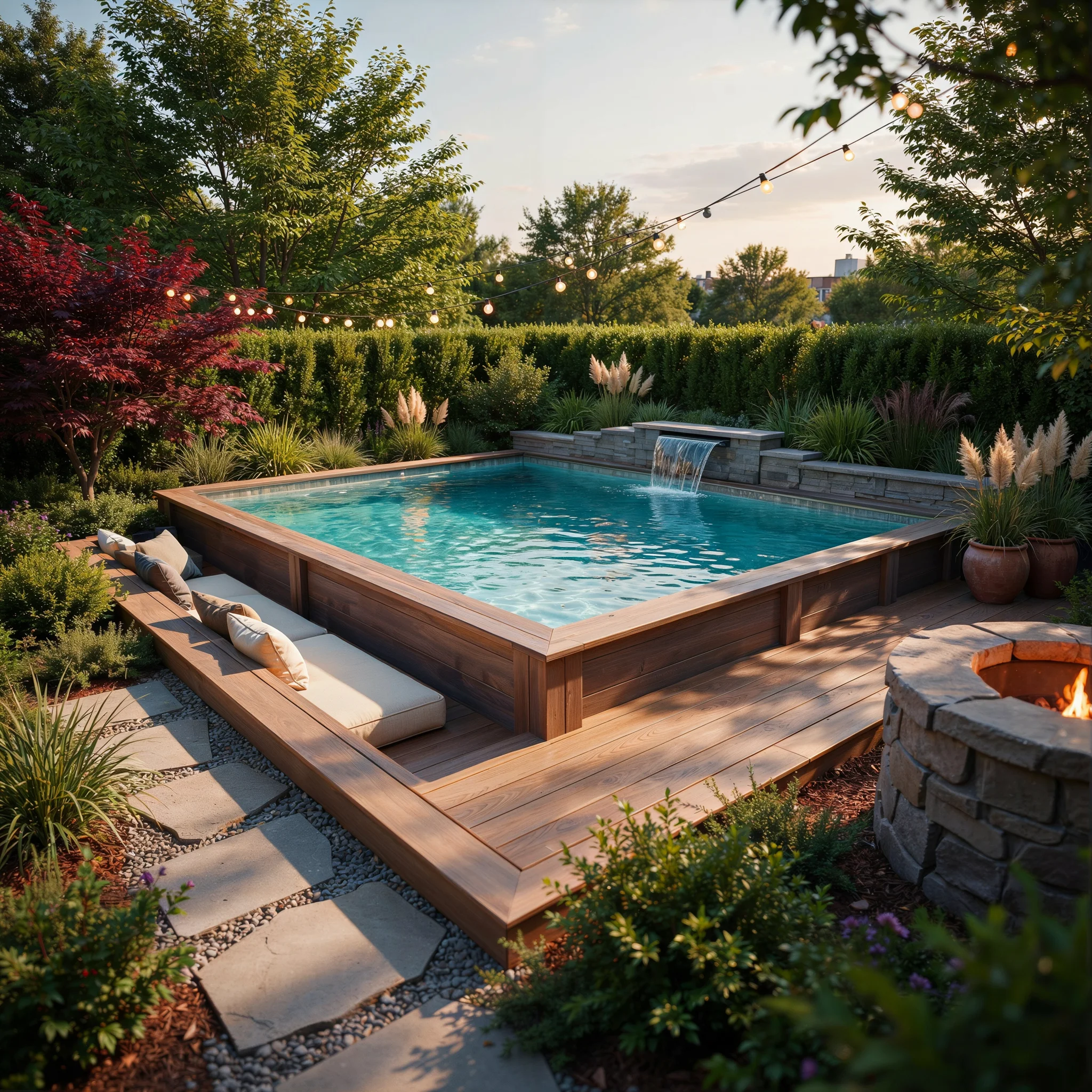
Wood decking is the most popular choice for a reason. It looks great, it works with almost any pool shape, and it gives you a warm, natural surface that stays comfortable underfoot even on hot days.
Pressure-treated pine is the most affordable wood option and holds up well outdoors when properly sealed. Cedar and redwood cost more but resist moisture and insects naturally. If you go with wood, plan to seal or stain it every one to two years to prevent warping and rot.
Pros:
- Natural look that complements almost any backyard style
- Stays cooler than concrete or dark pavers in the sun
- Easy to cut and shape around curved pool walls
- Wide range of price points depending on wood species
Cons:
- Requires regular maintenance (sealing, staining, inspecting for rot)
- Can splinter if not maintained or if low-quality wood is used
- Not ideal in areas with very high humidity or standing water issues
- More expensive to install than gravel or pea stone
B. Composite Decking (Low-Maintenance Luxury)
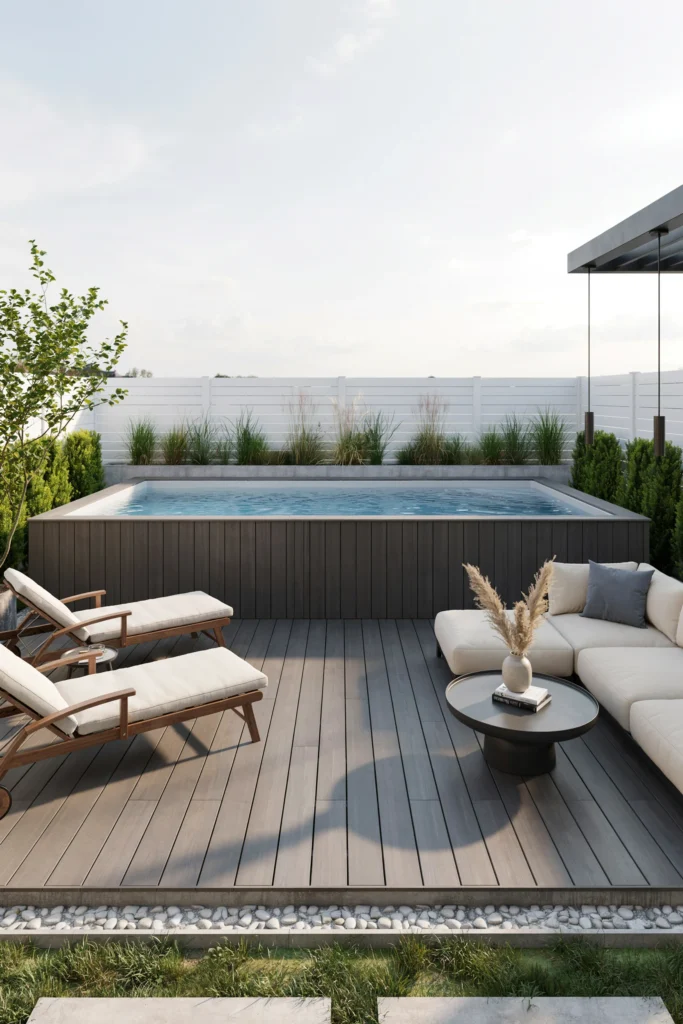
Composite decking is made from a blend of wood fibers and recycled plastic. It looks like wood but does not need the same level of upkeep. No sealing, no staining, and it will not rot or splinter.
The upfront cost is higher than natural wood, but over a ten-year period, many homeowners find it comes out ahead once they factor in maintenance costs and replacement boards.
Pros:
- Minimal maintenance, just occasional cleaning
- Resistant to moisture, mold, and insects
- Consistent appearance that does not fade the way painted wood does
- Splinter-free surface, which matters a lot around pools with kids
Cons:
- Higher upfront cost than most other options
- Can still get hot on dark-colored boards in direct sun
- Looks slightly less natural than real wood to some people
- Requires proper ventilation underneath to avoid moisture buildup
See Also: 16 Above Ground Pool with Deck Off House Ideas
C. Concrete Pavers or Stamped Concrete (Durable and Modern)
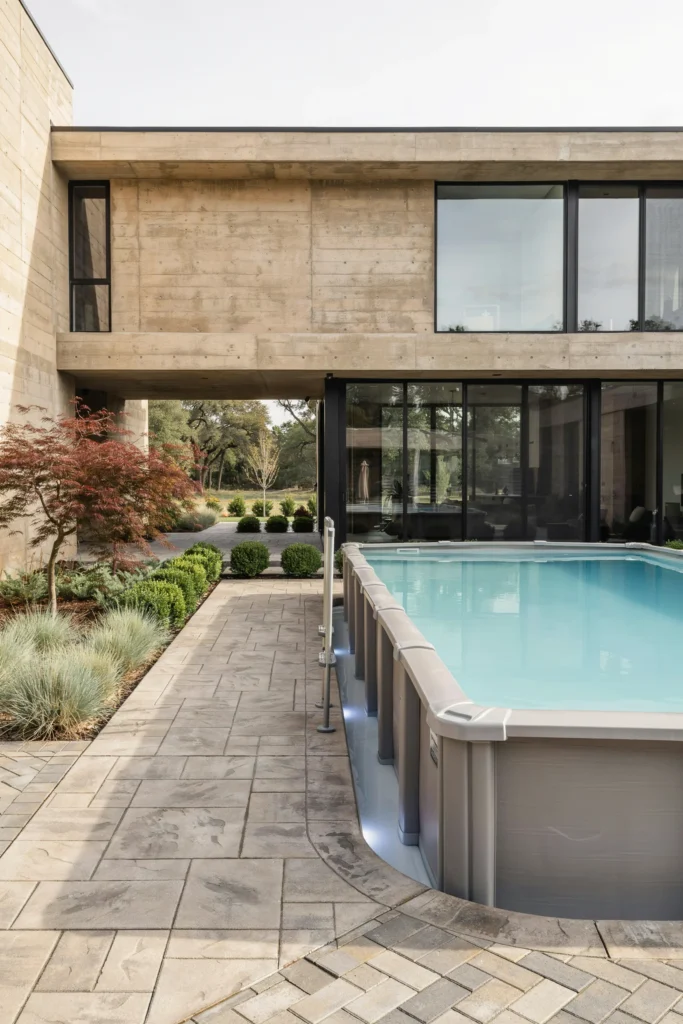
Concrete is one of the most durable options available and gives your pool area a clean, finished look. Pavers are individual units you lay in a pattern, while stamped concrete is poured as one continuous surface and textured to mimic stone, brick, or tile.
Both options hold up well to heavy foot traffic and last for decades with minimal care. The main downside is heat. Light-colored concrete stays manageable, but dark or charcoal-toned surfaces can get extremely hot by midday.
Pros:
- Extremely durable and long-lasting
- Low maintenance once installed
- Wide range of colors, patterns, and textures available
- Adds strong visual appeal and resale value
Cons:
- Can get very hot in direct summer sun
- Pavers may shift over time if the base is not properly compacted
- Stamped concrete can crack with ground movement or freeze-thaw cycles
- Higher installation cost, especially for stamped concrete with a professional finish
D. Pea Gravel or River Rock (Budget-Friendly with Excellent Drainage)

Pea gravel is one of the most affordable options and one of the best for drainage. Water moves straight through it, which keeps the area around the pool from turning into a soggy mess after rain or heavy splashing.
River rock is slightly larger and has a smoother, more decorative look. Both materials work well and are easy to install as a DIY project.
Pros:
- Very affordable material cost
- Excellent natural drainage
- No weeds when installed over landscape fabric
- Easy to add or redistribute if it shifts
Cons:
- Small stones can scatter into the pool
- Not comfortable for bare feet over long periods
- Needs a border or edging to stay in place
- Requires occasional raking and topping off over time
If you go this route, lay landscape fabric underneath before adding the stone. It prevents weeds from pushing through without blocking drainage.
E. Artificial Turf (Lush and Soft)
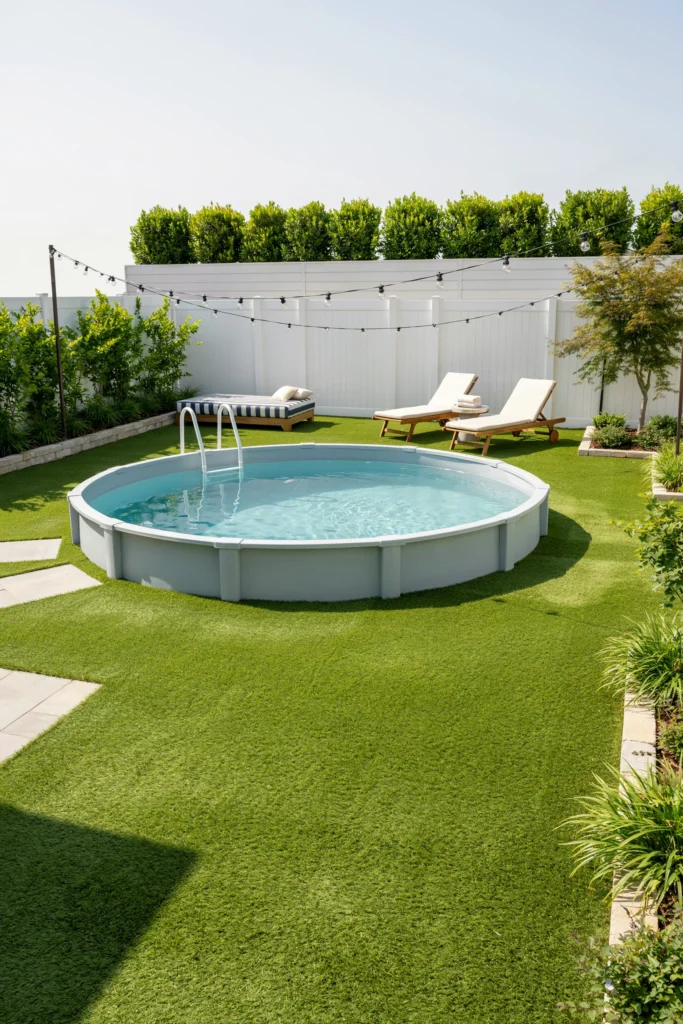
Artificial turf has improved a lot in the last several years. Modern products look realistic, stay green without watering, and offer a genuinely soft surface that is comfortable to walk on barefoot.
It drains well when installed with the right base, which makes it a reasonable choice for pool surrounds. The main concern is heat. Turf absorbs and holds heat on sunny days, which can make the surface uncomfortable in peak summer hours.
Pros:
- Soft and comfortable underfoot
- No mowing, watering, or fertilizing needed
- Stays green all year regardless of weather
- Looks clean and polished in photos and in person
Cons:
- Gets hot in direct sunlight, sometimes uncomfortably so
- Higher upfront cost than real grass or gravel
- Some products trap odors over time, especially with pets
- Requires professional installation for best results around pool edges
Designing the Layout: Function Meets Aesthetics

Once you pick your material, layout decisions shape how usable and attractive the space actually becomes.
Define a clear pathway from the house to the pool. This keeps foot traffic predictable and protects your lawn or other surfaces from wear. A two-foot wide path in a contrasting material works well visually and functionally.
Create a flat zone at the entry point where people step in and out of the pool. This is the highest-traffic spot and the most likely place someone slips. Textured pavers, rubber matting, or a non-slip composite surface all work here.
Add a seating or lounge area within the surround if space allows. Even a small section with a couple of chairs changes how the space gets used. Position it where it catches shade in the afternoon if your yard allows it.
Think about the border between materials if you are using more than one. For example, pavers as a pool border with gravel filling the rest of the space is a popular combination. The pavers create a stable, clean edge while the gravel handles drainage in the larger surrounding area.
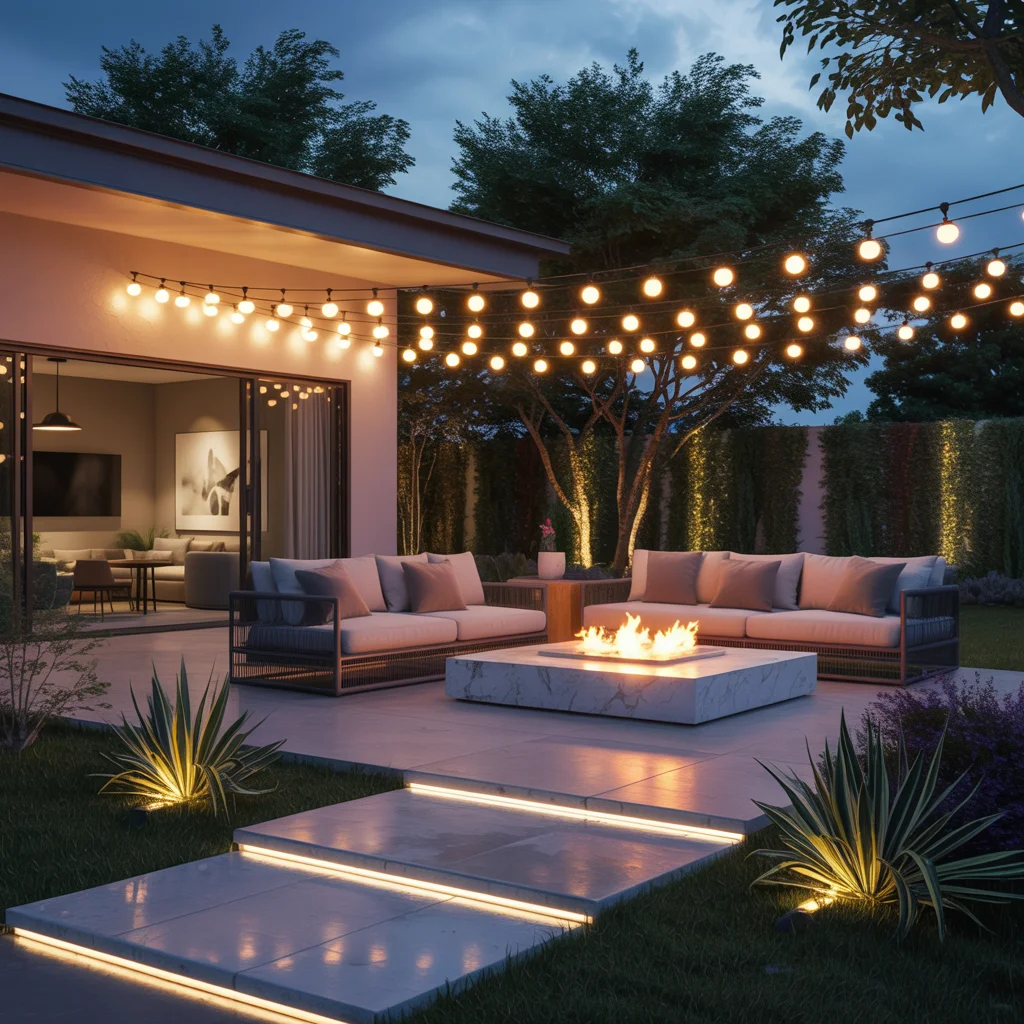
Lighting matters more than people expect. Low-voltage path lights or string lights add safety and ambiance at night. They also make the pool area look finished and intentional rather than functional and bare.
Leave enough space between the pool wall and your surround material, especially for wood or composite decks. Most pool manufacturers recommend at least six inches of clearance to allow for ventilation and to make wall inspections easier.
Conclusion
The best material for your above ground pool surround depends on how you use your yard, what your climate demands, and how much upkeep you want to take on. Wood and composite decking give you the most polished look. Concrete pavers add durability and visual weight. Gravel and river rock solve drainage problems at the lowest cost. Artificial turf works well for softness and easy care.
Pick the material that fits how you actually live, not just how something looks in a photo. A well-planned surround makes your pool area feel like a real outdoor room, and that is what keeps you out there all summer long.
Frequently Asked Questions
Can you put a deck completely around a soft-sided (inflatable or framed) above ground pool?
Yes, but with some important limits. Soft-sided pools including Intex and Bestway frames are not designed to support the weight of a full attached deck. If you want a deck that surrounds the pool, keep it freestanding so it does not transfer weight or pressure onto the pool wall. Leave a small gap between the deck edge and the pool, and check your pool manufacturer’s guidelines before building anything close to the structure.
What is the cheapest material to put around an above ground pool?
Pea gravel is generally the most affordable option when you factor in both materials and installation. You can install it yourself, it requires no special tools, and the material itself is inexpensive at most landscape supply stores. Mulch is another low-cost option, though it breaks down over time and does not drain as cleanly as gravel near a pool.
How do I stop weeds from growing around my pool surround?
Lay a quality landscape fabric before installing any loose material like gravel or mulch. Pin it securely at the edges and overlap seams by at least six inches. For hard surfaces like pavers or concrete, seal the joints with polymeric sand or grout, which hardens and blocks weed seeds from taking root. Avoid cheap weed barriers as they tend to degrade quickly and weeds eventually push through.
Which material stays the coolest in hot summer sun?
Wood and composite decking, especially lighter colors, tend to stay the coolest. Natural wood in particular absorbs less heat than dark concrete or stone. Light-colored concrete pavers also perform well if you choose a pale or white tone. Artificial turf and dark-colored pavers or stamped concrete get the hottest and are the least comfortable for bare feet in afternoon sun.
How much space should I leave between the pool wall and the surrounding material?
A minimum of six inches is a good general rule. That clearance gives the pool wall room to expand slightly, allows air circulation to prevent moisture buildup, and makes it easier to inspect the pool wall for rust or wear over time. For wood or composite decking, check your pool manufacturer’s recommendations, as some require more clearance to maintain the warranty.