



In This Article Show
A backyard should feel like a place where you can relax, unwind, and enjoy a little peace. But when neighboring windows overlook your space or nearby streets create distractions, privacy quickly becomes a challenge.
The good news is that you don’t need to install expensive walls or fences to create a secluded outdoor escape. Eco-friendly privacy screens can add beauty, texture, and sustainability while making your backyard feel more inviting and comfortable.
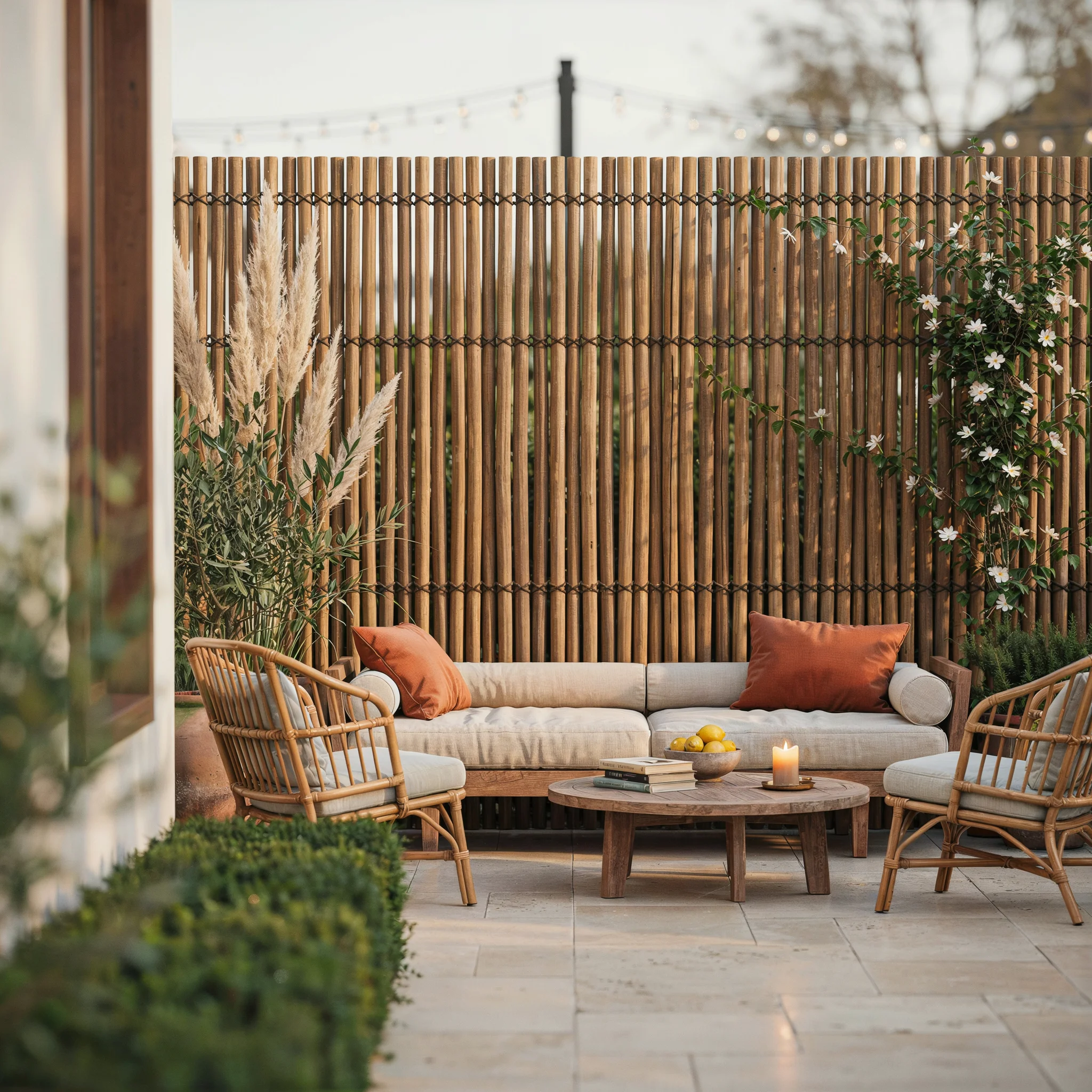
1. Bamboo Privacy Screens
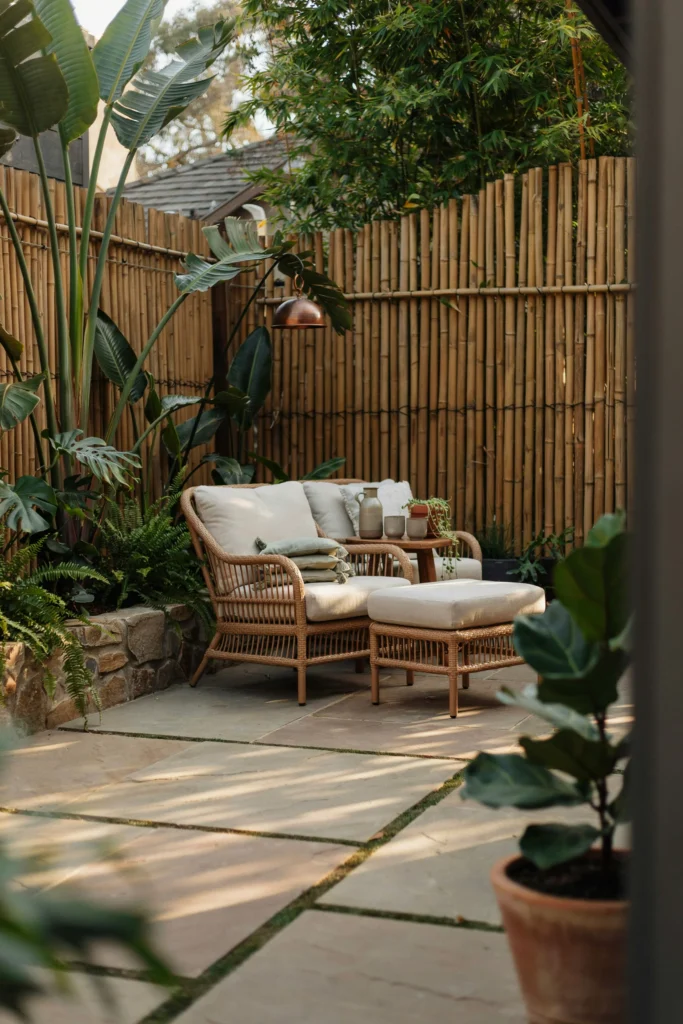
Bamboo is one of the most sustainable materials available because it grows incredibly fast and regenerates naturally without replanting. It creates a warm, tropical look that works in both modern and rustic outdoor spaces.
I once added a bamboo screen along a patio edge where neighboring homes felt a little too close. The difference was immediate. The space felt more intimate without looking closed off.
Why it works:
- Renewable and fast-growing material
- Naturally resistant to moisture
- Lightweight and easy to install
- Creates a calming resort-like atmosphere
2. Living Green Walls
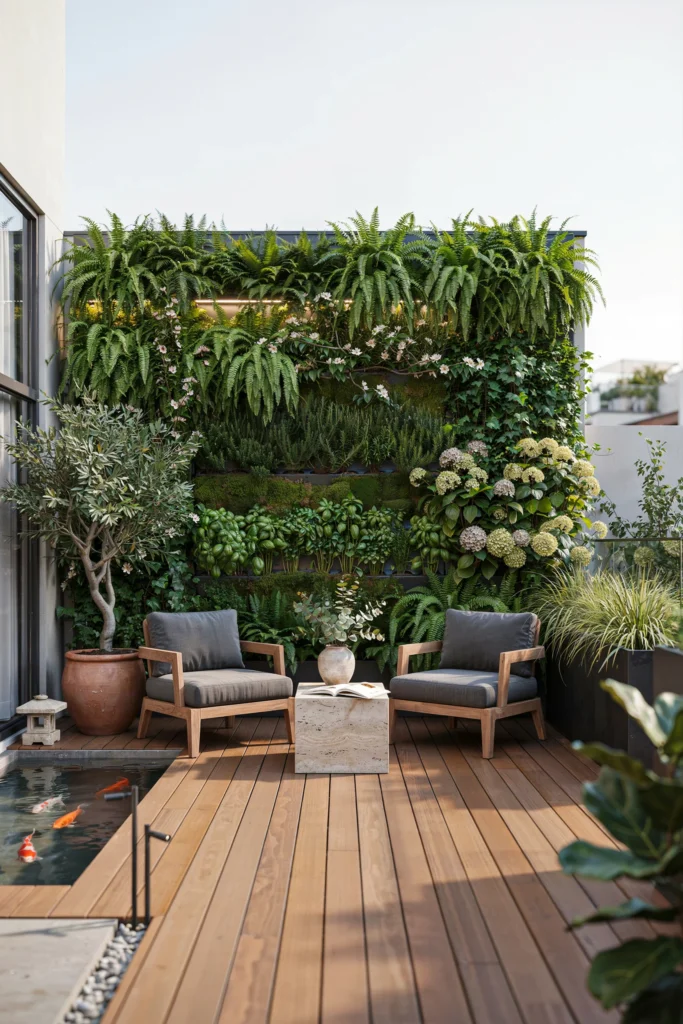
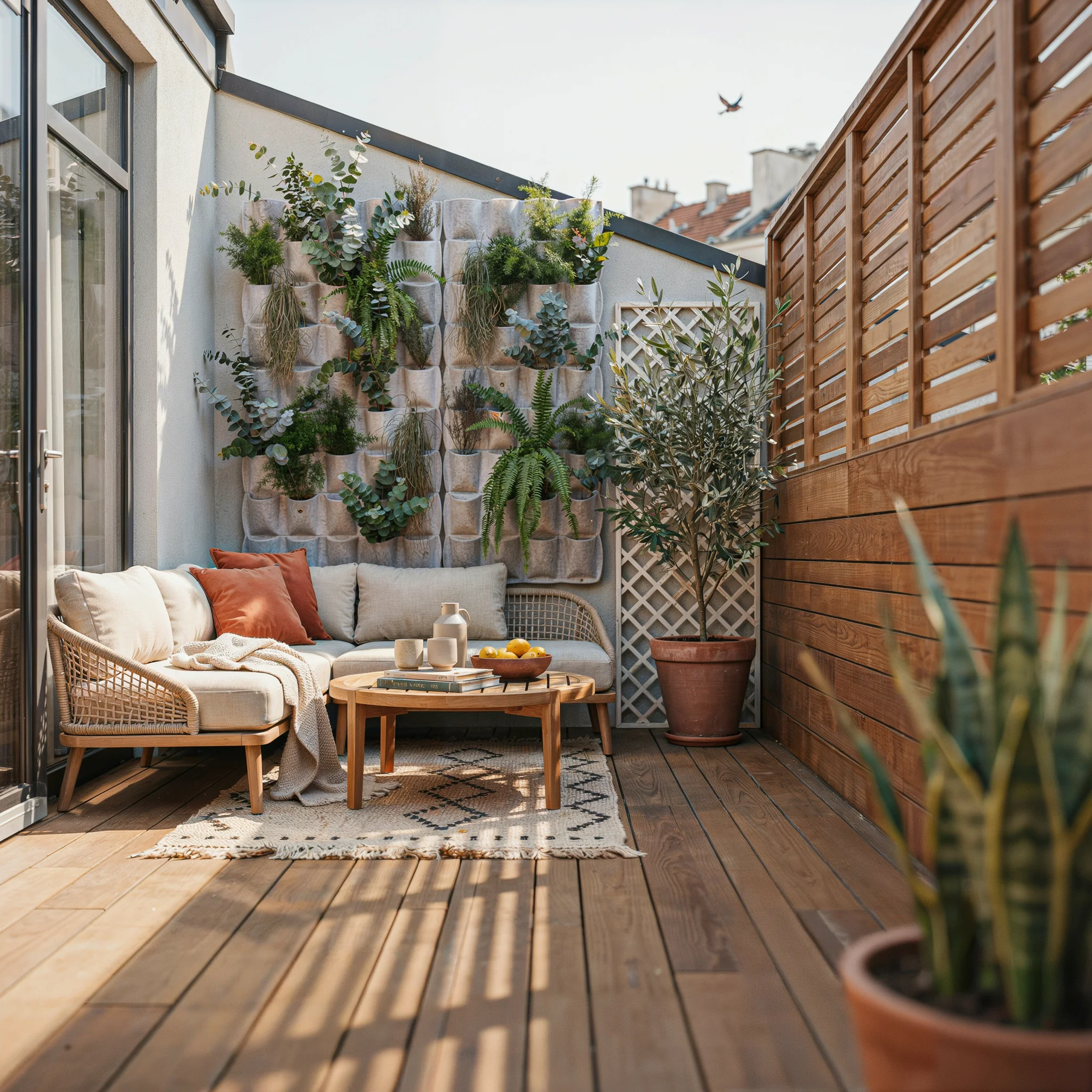
Nothing feels more natural than using plants as a privacy screen. Vertical gardens or living walls offer privacy while improving air quality and adding vibrant greenery.
You can use climbing plants, herbs, flowering vines, or native species depending on your climate.
Popular choices include:
- Jasmine
- Clematis
- Ivy
- Honeysuckle
- Native flowering vines
Living walls also attract pollinators, making your backyard more environmentally friendly.
3. Reclaimed Wood Screens
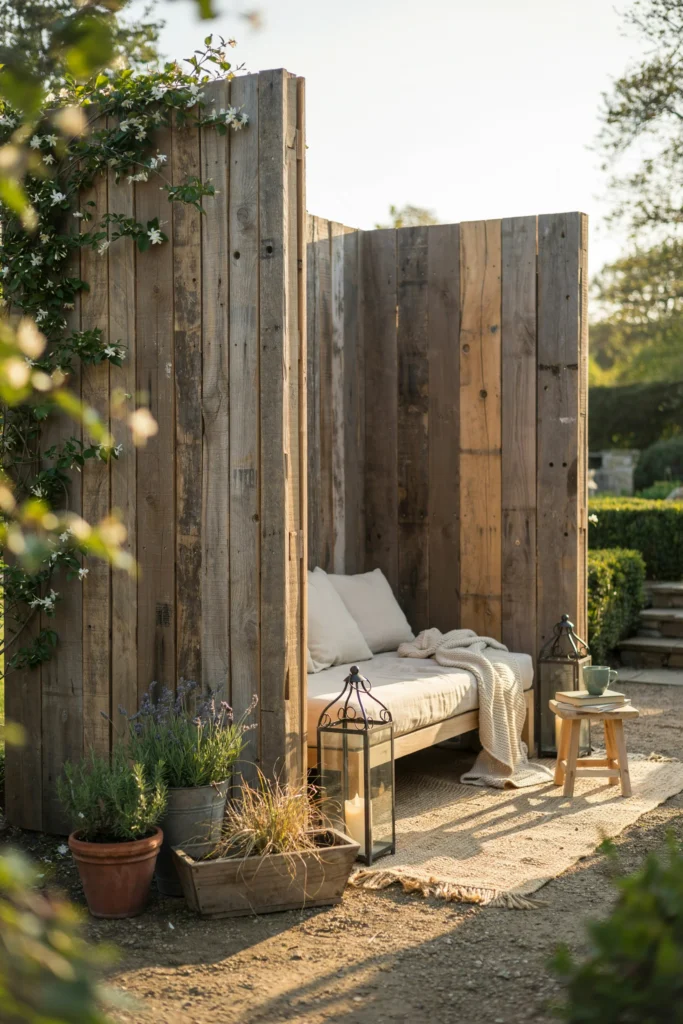
Reclaimed wood gives new life to old materials while adding character and warmth to outdoor spaces. Every board has its own history, which creates a unique look that new lumber simply cannot replicate.
One of my favorite backyard projects involved building a simple slatted screen from reclaimed barn wood. The weathered texture added instant charm and became a focal point of the entire yard.
Benefits include:
- Reduces landfill waste
- Adds rustic character
- Durable when properly treated
- Works with many decorating styles
4. Tall Planter Privacy Walls
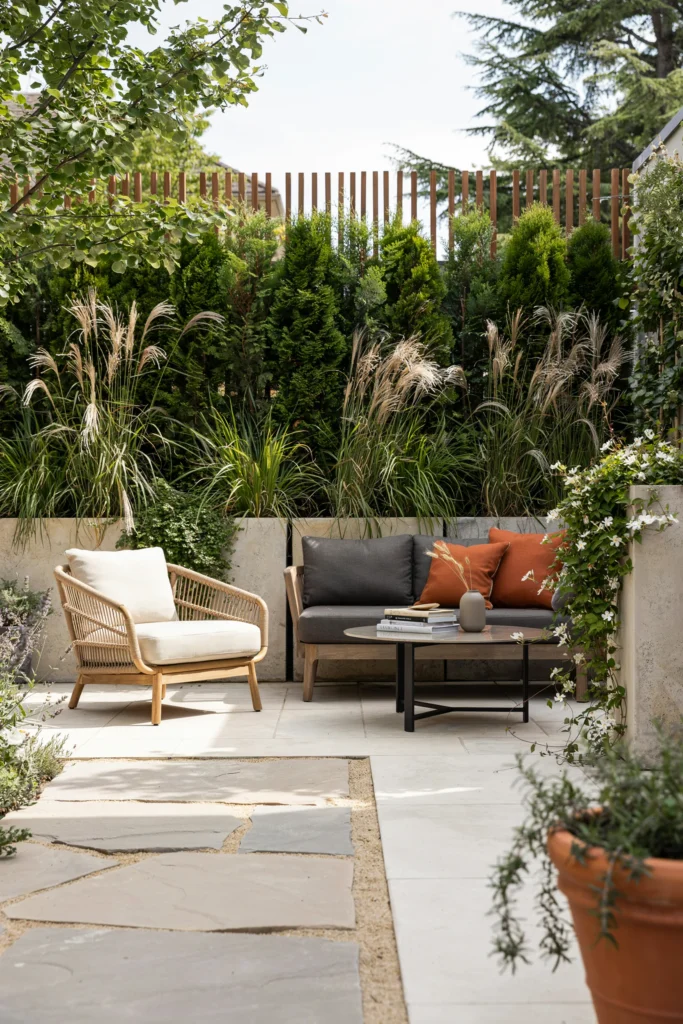
Large planters filled with dense greenery can create natural boundaries without permanent construction.
This option is ideal for renters or homeowners who prefer flexibility. You can move the planters whenever you redesign the space.
Plants that work well include:
- Ornamental grasses
- Arborvitae
- Boxwood shrubs
- Bamboo varieties suitable for containers
The combination of greenery and structure creates a soft, welcoming appearance.
See Also: 11 Compact Outdoor Privacy Screens Perfect for Small Spaces
5. Willow Branch Panels
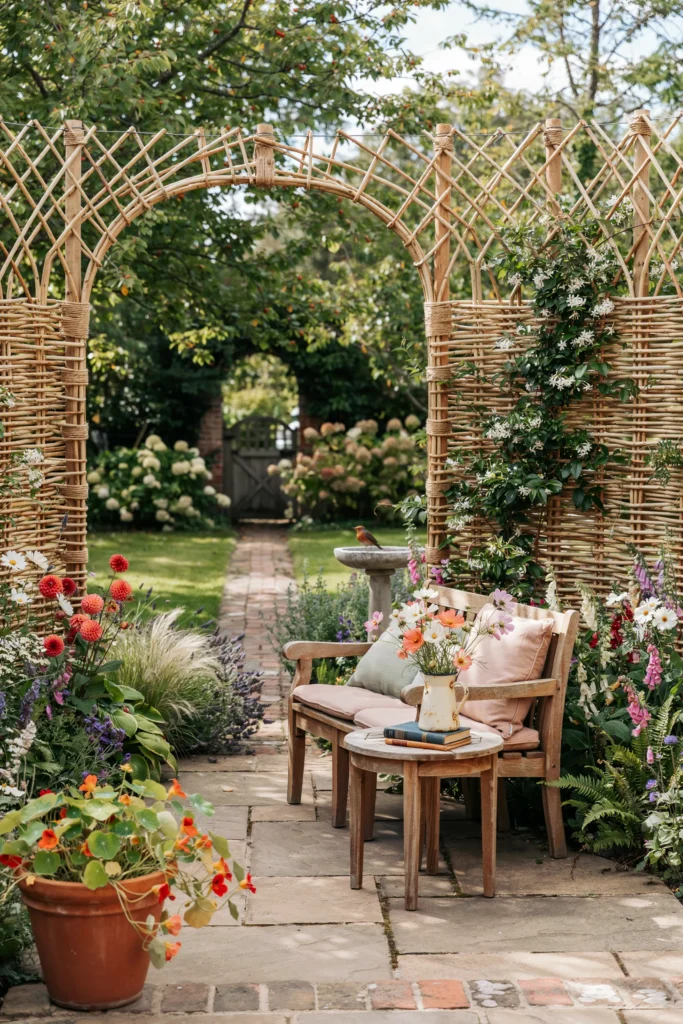
Willow screens offer an organic texture that blends beautifully into gardens. Made from woven willow branches, these panels provide privacy while maintaining a light and airy feel.
Because willow is biodegradable and renewable, it remains one of the most environmentally responsible choices for outdoor screening.
These screens look especially beautiful in cottage gardens and nature-inspired landscapes.
6. Recycled Metal Decorative Panels
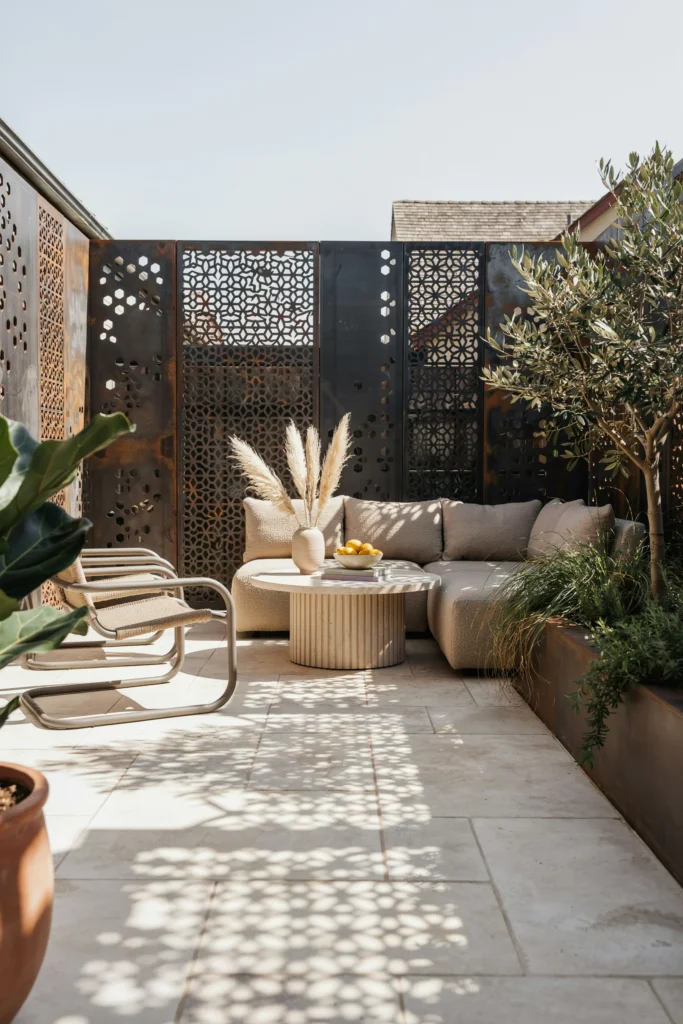
Privacy screens made from recycled aluminum or steel offer durability with less environmental impact than newly manufactured materials.
Many decorative metal panels feature artistic cutout designs that allow light and airflow while blocking direct views.
Advantages include:
- Long lifespan
- Minimal maintenance
- Modern appearance
- Recyclable at the end of use
The shadows created by decorative patterns can add a beautiful visual effect throughout the day.
7. Trellis Screens with Climbing Plants
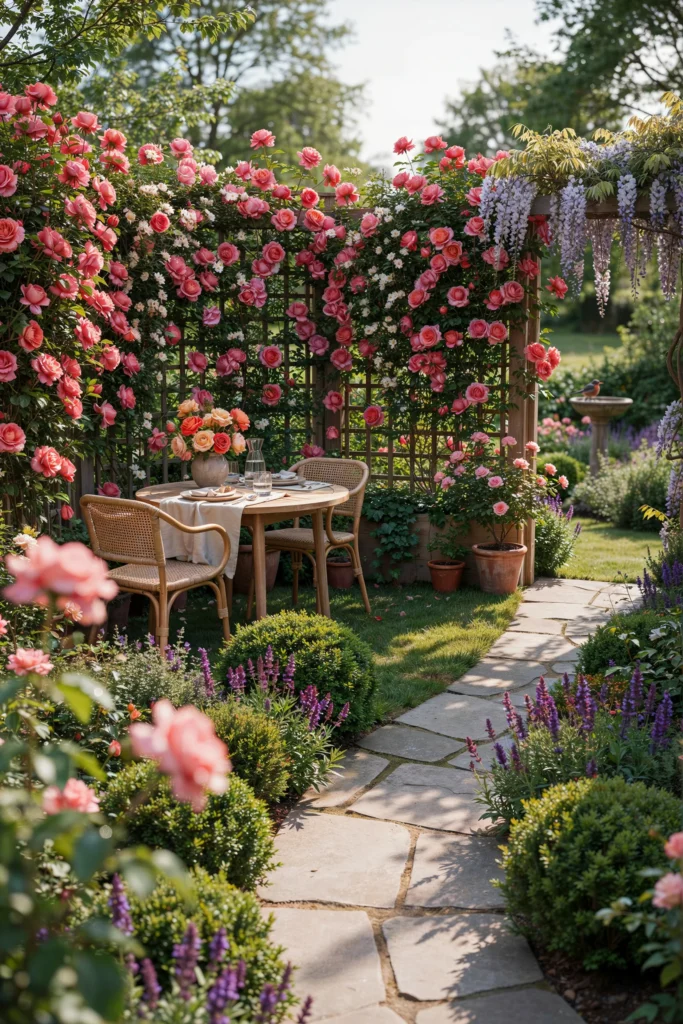
A simple wooden trellis becomes far more attractive when covered with climbing greenery.
This solution provides privacy gradually as plants grow, creating a lush and natural screen over time.
Some excellent climbing plants include:
- Star jasmine
- Climbing roses
- Passionflower
- Virginia creeper
The result feels much softer than traditional fencing and integrates seamlessly into garden spaces.
8. Recycled Composite Privacy Panels
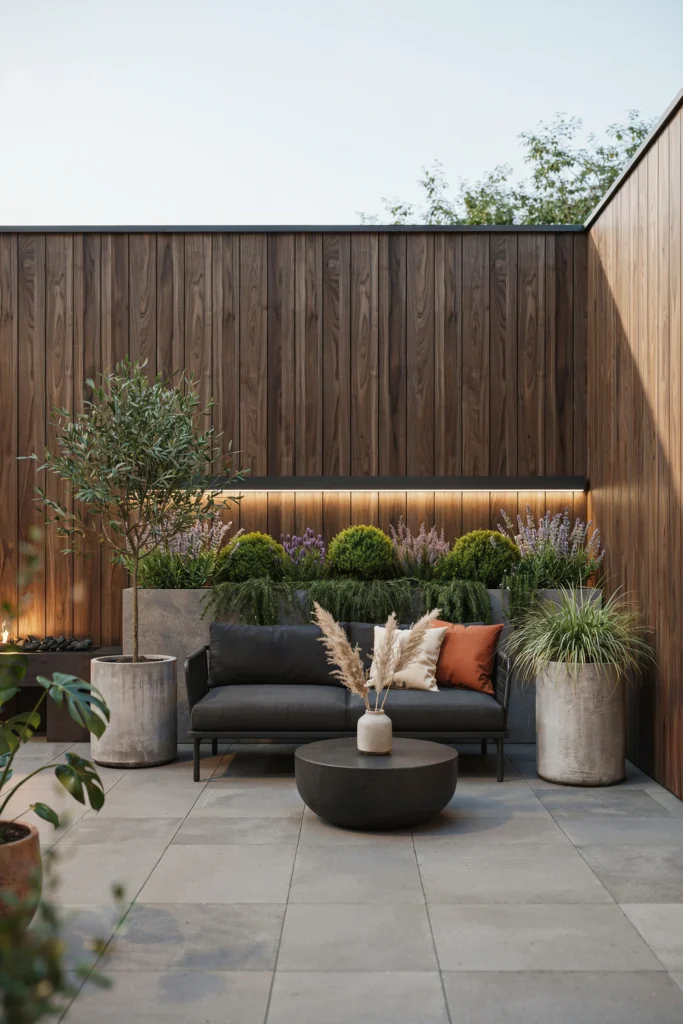
Composite panels made from recycled plastics and wood fibers offer a sustainable alternative to conventional fencing materials.
These screens mimic the appearance of wood but require significantly less maintenance.
Why homeowners love them:
- Resistant to weather damage
- No staining or painting required
- Long-lasting performance
- Uses recycled materials
They work particularly well in contemporary backyard designs.
9. Natural Reed Fencing
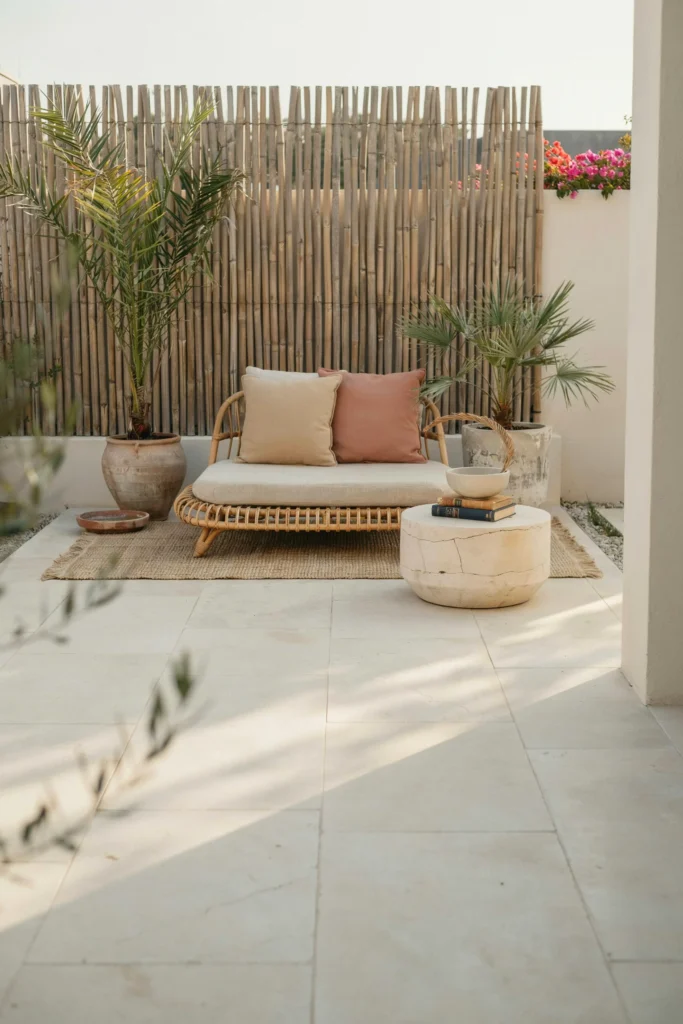
Reed fencing is made from renewable plant materials and creates a relaxed, coastal-inspired appearance.
The lightweight panels are easy to install along existing fences, pergolas, or railings.
What makes reed fencing appealing:
- Budget-friendly
- Eco-conscious material
- Quick installation
- Soft, natural appearance
It’s a great choice when you want privacy without a major backyard renovation.
10. Pergola with Hanging Greenery
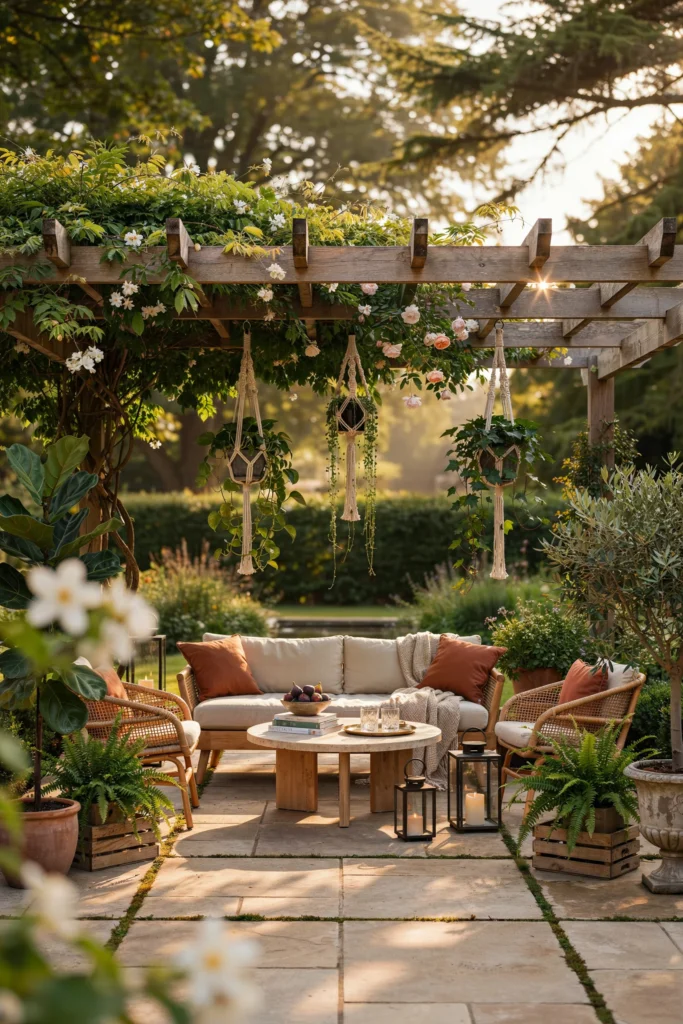
A pergola may not seem like a privacy screen at first, but when combined with hanging plants and climbing vines, it creates a cozy outdoor retreat.
I installed a pergola over a seating area and added trailing plants around the edges. The layered greenery softened the structure and made the space feel surprisingly private.
Ideal plants include:
- Wisteria
- Grapevines
- Jasmine
- Clematis
This approach adds both shade and privacy at the same time.
11. Upcycled Shutter Screens
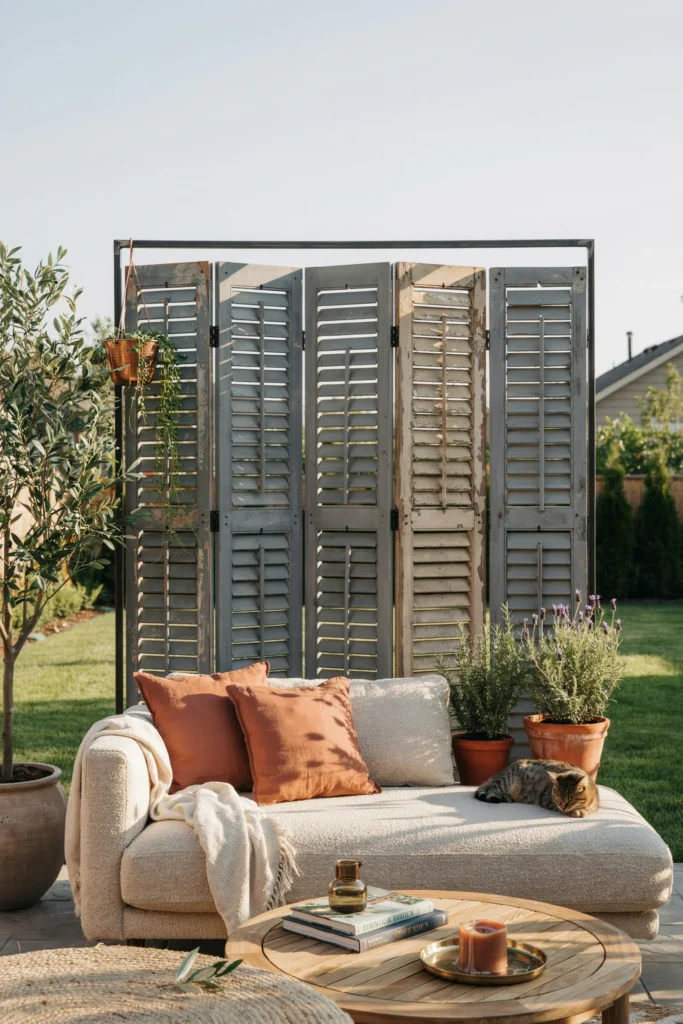
Old wooden shutters can be transformed into attractive outdoor privacy panels. Instead of sending them to a landfill, repurpose them into folding screens or permanent backyard dividers.
Benefits include:
- Reuses existing materials
- Adds vintage charm
- Affordable DIY option
- Customizable with paint or stain
The louvered design allows airflow while still creating separation.
12. Native Hedge Screens
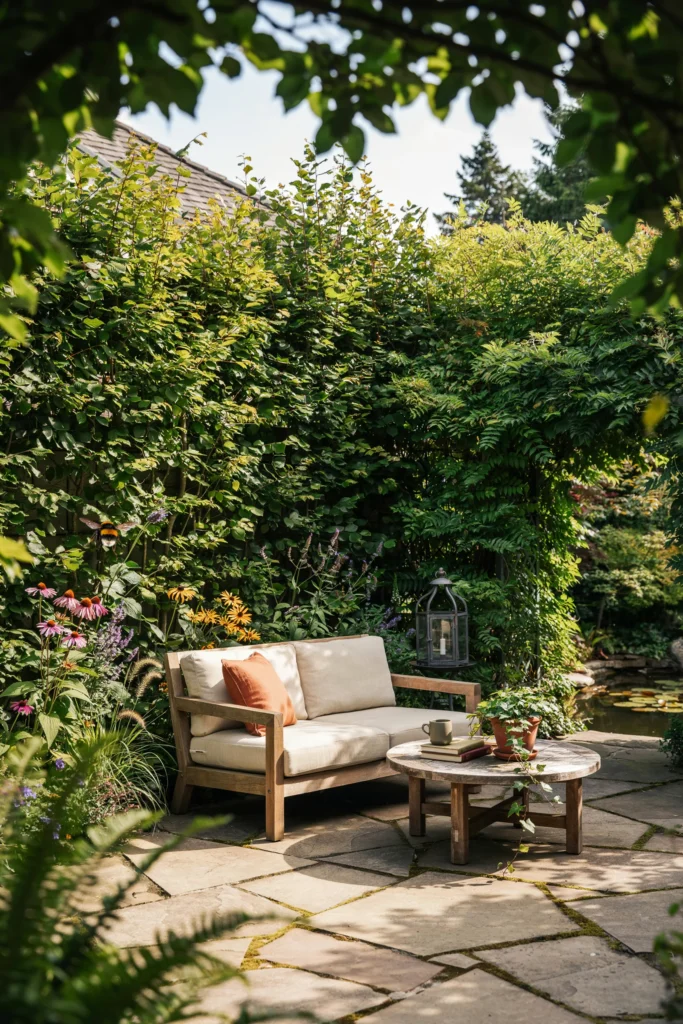
For a truly sustainable privacy solution, native hedges are hard to beat. Because they are adapted to local conditions, they generally require less water, fertilizer, and maintenance than non-native plants.
Native shrubs provide:
- Year-round privacy
- Wildlife habitat
- Improved biodiversity
- Natural beauty
Over time, a native hedge becomes a living backdrop that enhances the entire landscape while supporting the local ecosystem.
How to Choose the Right Eco-Friendly Privacy Screen
Before selecting a privacy screen, consider:
- How much privacy you need
- Your local climate
- Available maintenance time
- Budget
- Overall backyard style
Natural materials often create a softer appearance, while recycled composites and metal panels provide greater durability. Living screens offer unmatched beauty but require patience as plants mature.
Final Thoughts
Creating privacy doesn’t have to mean building a solid wall around your backyard. Eco-friendly privacy screens offer a smarter approach by combining sustainability, beauty, and functionality.
Whether you prefer lush greenery, reclaimed wood, bamboo, or decorative recycled materials, there are plenty of ways to transform an exposed outdoor area into a peaceful retreat.
The best privacy screens do more than block unwanted views. They help define your space, add character, and create the kind of backyard where you genuinely want to spend more time.