

In This Article Show
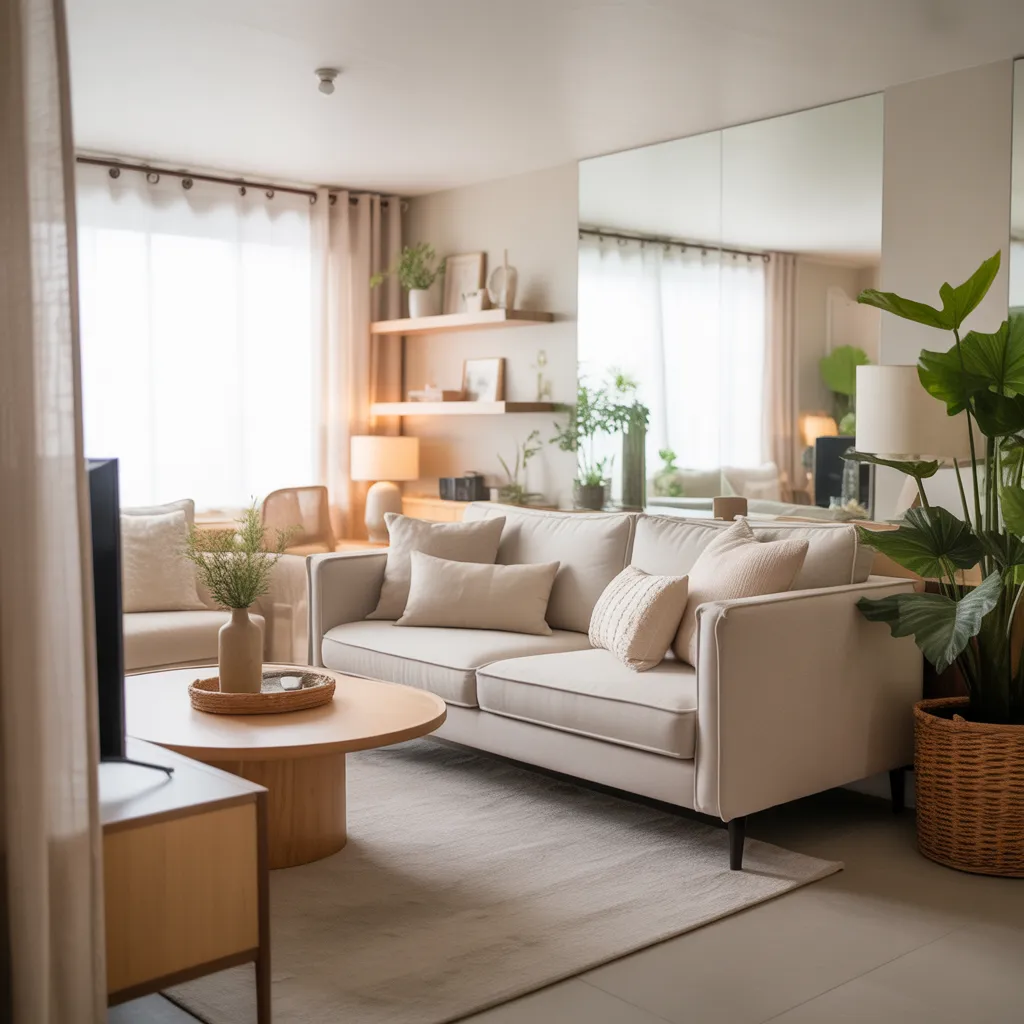
I’ve worked with many compact living rooms over the years, including my own, and I can tell you this. A small space doesn’t mean you have to compromise on style.
In fact, smaller rooms often feel more intentional and inviting when designed well. It’s all about making smart choices that balance function and beauty.
Here are 13 ideas that I’ve personally tried or recommended to clients that truly make a small living room feel open, calm, and put together.
1. Choose Light, Neutral Colors
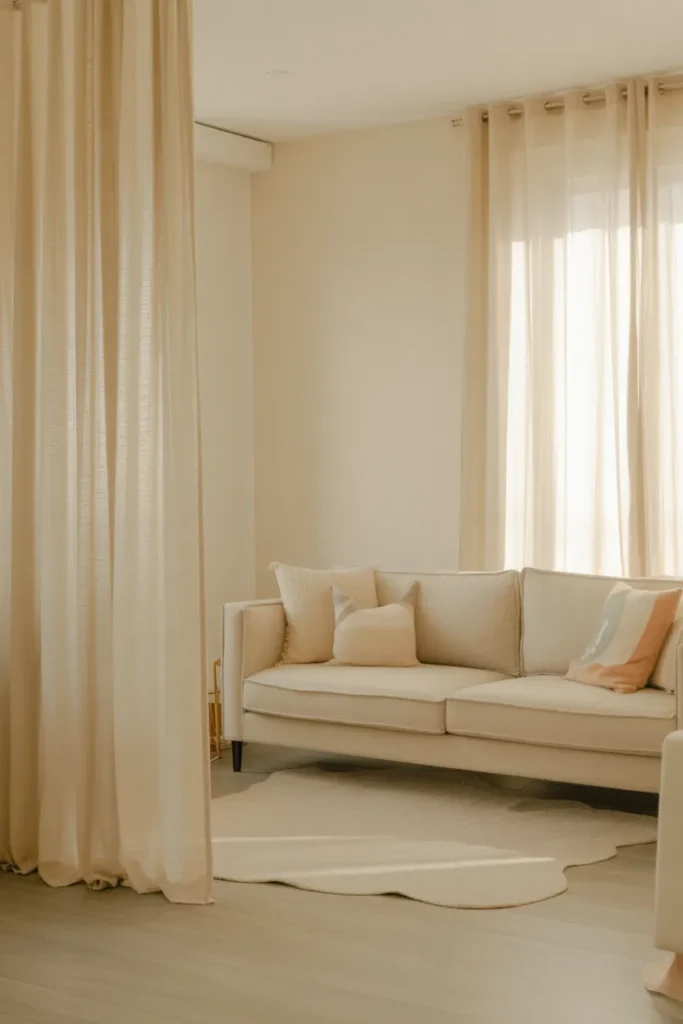
Light shades reflect more light, which instantly makes a room feel bigger. Think soft whites, warm beiges, light greys, or muted pastels.
I once switched a client’s dark beige walls to a soft cream tone, and the room felt twice as large overnight. If you love color, add it through cushions or artwork instead of walls.
2. Use Multi-Functional Furniture
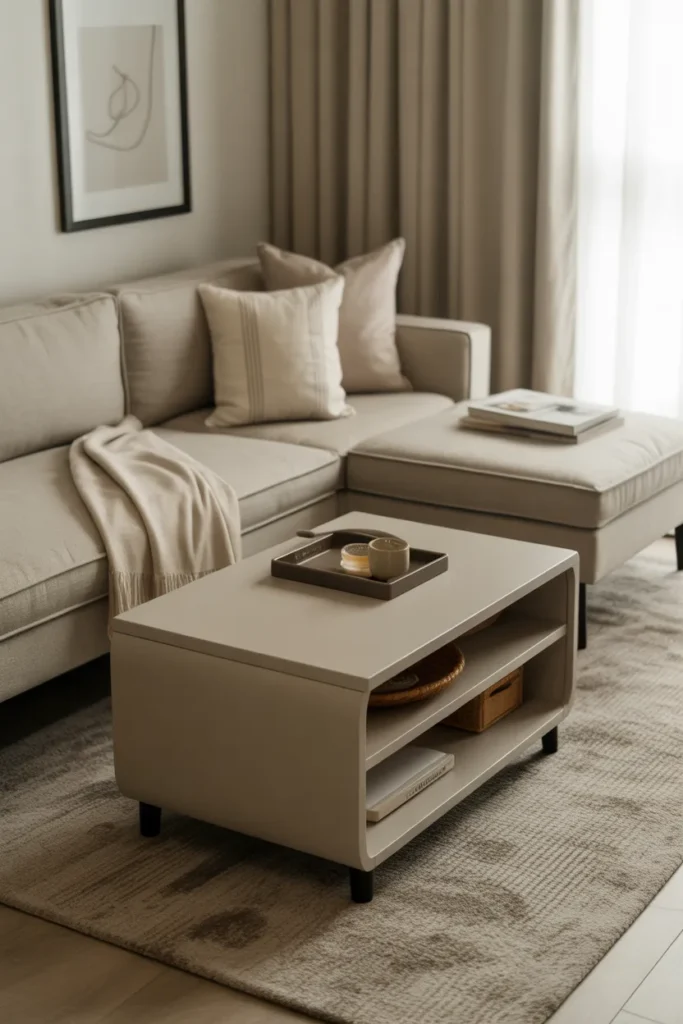
In a small living room, every piece should work harder.
Look for:
- Ottomans with storage inside
- Coffee tables with shelves
- Sofa beds for guests
I personally love storage ottomans. They hide clutter and double as extra seating when needed.
3. Keep Furniture Proportional
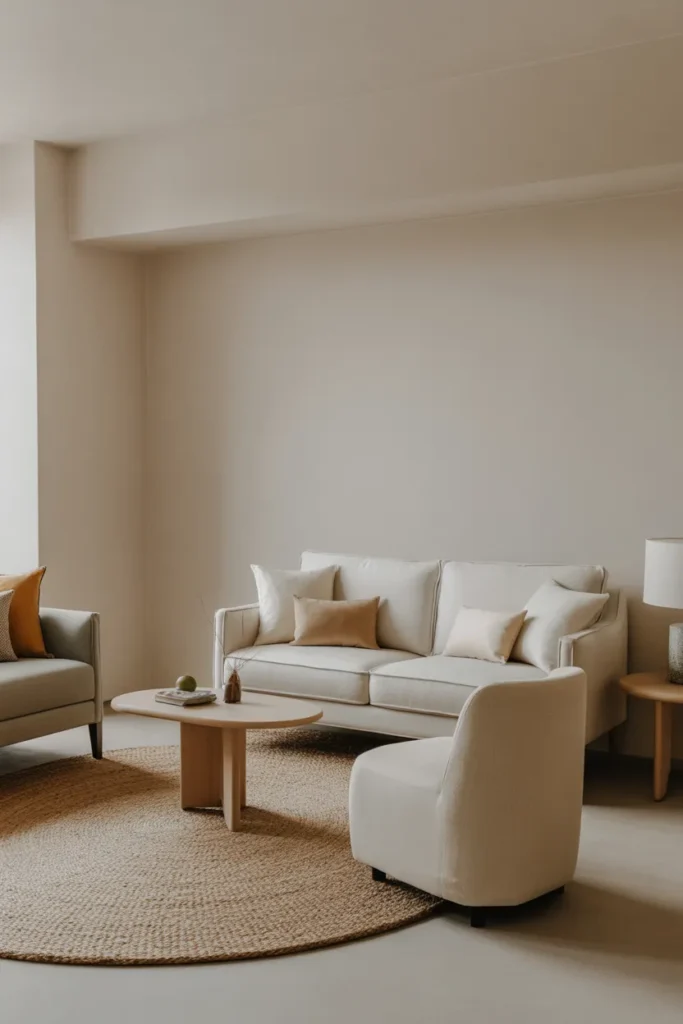
Oversized furniture can quickly overwhelm a small room. Instead, choose pieces that match the scale of your space.
A slim sofa with clean lines works much better than a bulky one. The same goes for armchairs and tables. You want enough breathing room around each piece.
4. Let Natural Light In
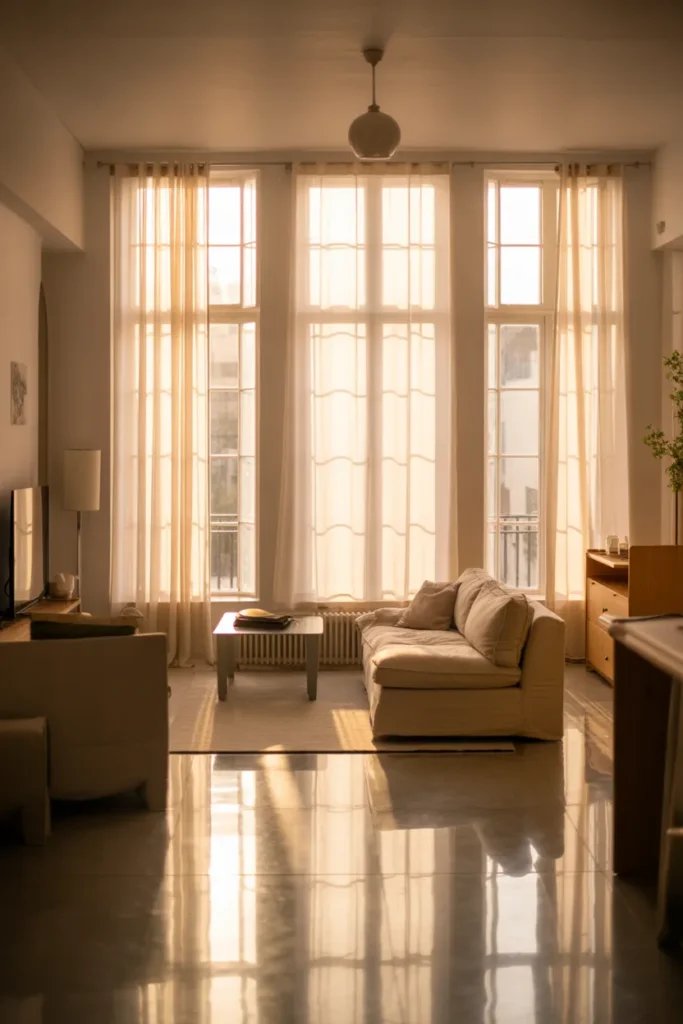
Natural light is your best friend in a small room. Avoid heavy curtains that block it.
I usually suggest:
- Sheer curtains
- Light-colored blinds
- No window covering at all if privacy allows
The more light you let in, the more open your space feels.
5. Use Mirrors Strategically
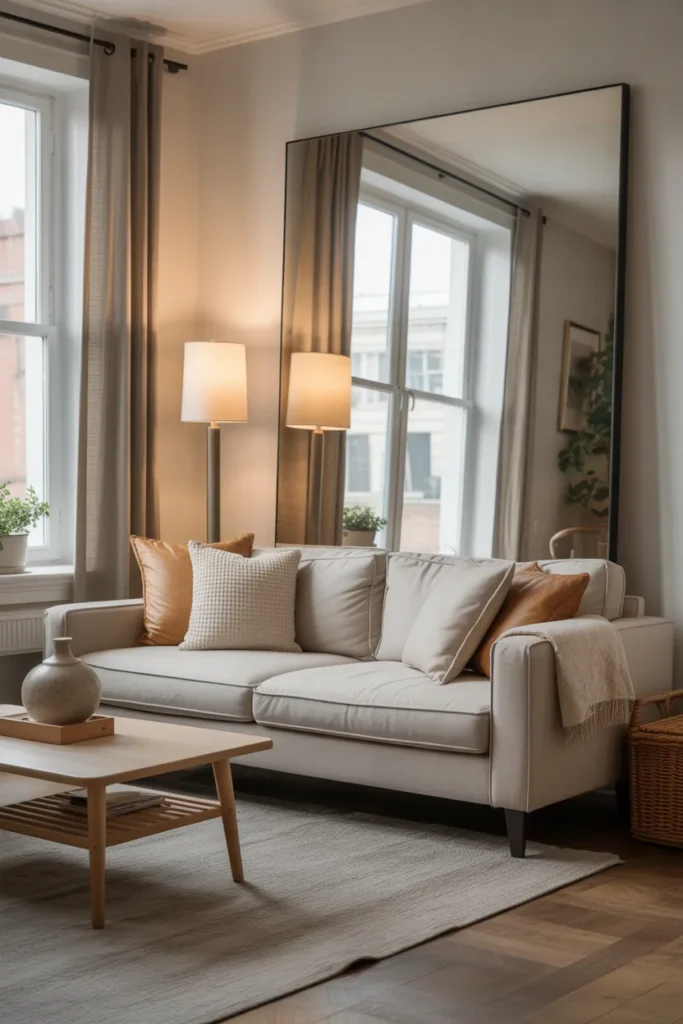
Mirrors create depth and reflect light, which helps the room feel larger.
Place a mirror:
- Opposite a window
- Behind a sofa
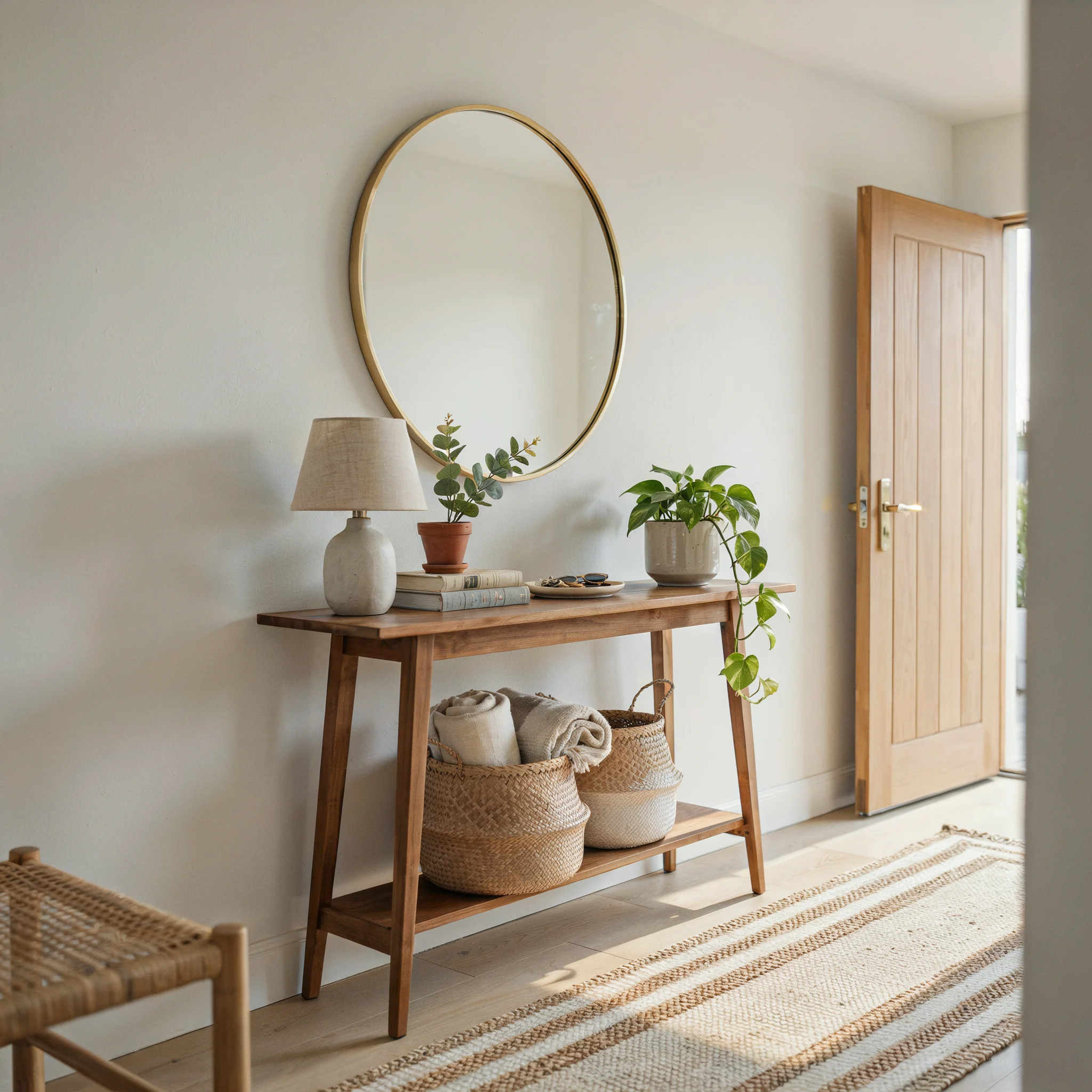
- Above a console table
I’ve seen even the smallest rooms transform just by adding one well-placed mirror.
6. Keep the Floor Visible
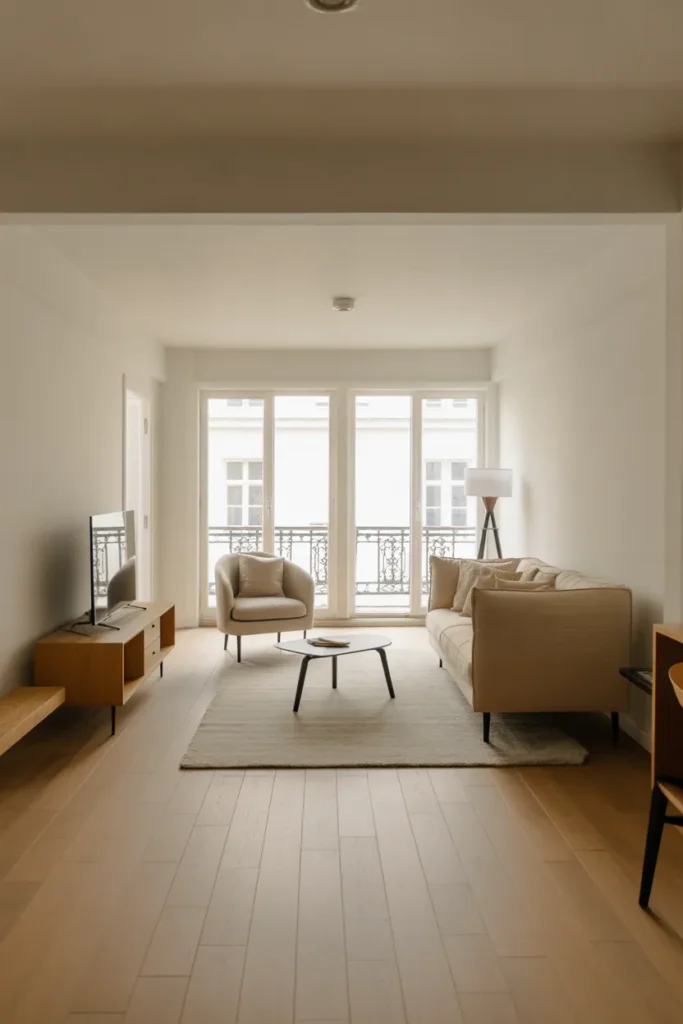
Too much furniture touching the floor can make a room feel crowded. Choose pieces with legs so you can see some floor space underneath.
This simple trick creates a sense of openness. It may seem small, but it makes a noticeable difference.
7. Go Vertical with Storage
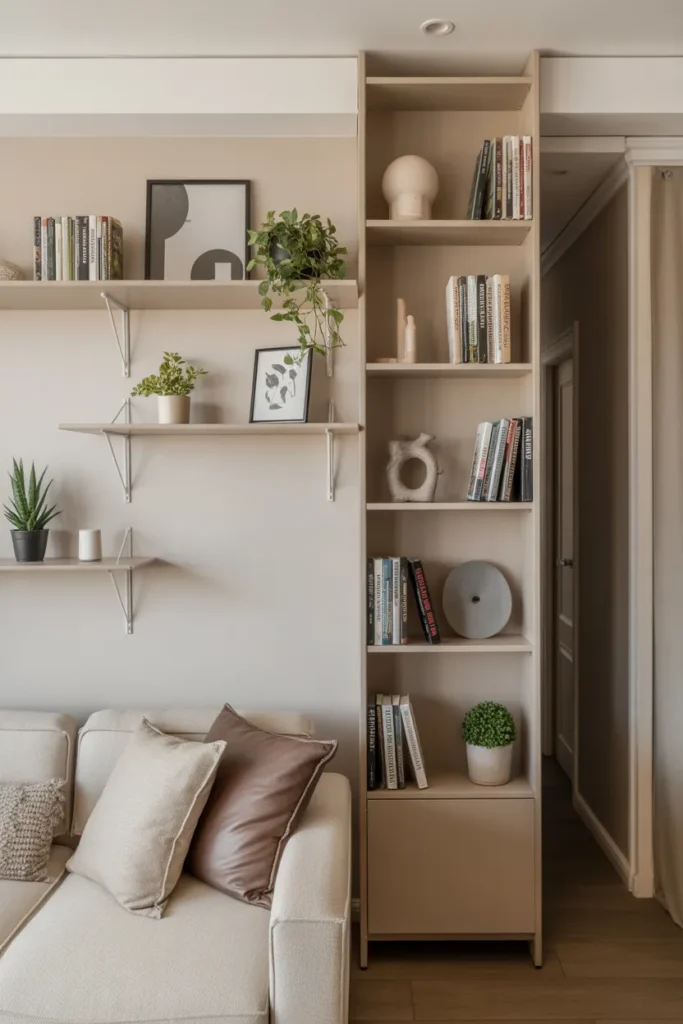
When floor space is limited, use your walls.
Install:
- Floating shelves
- Tall bookcases
- Wall-mounted cabinets
I often recommend floating shelves because they provide storage without making the room feel heavy.
8. Stick to a Simple Color Palette
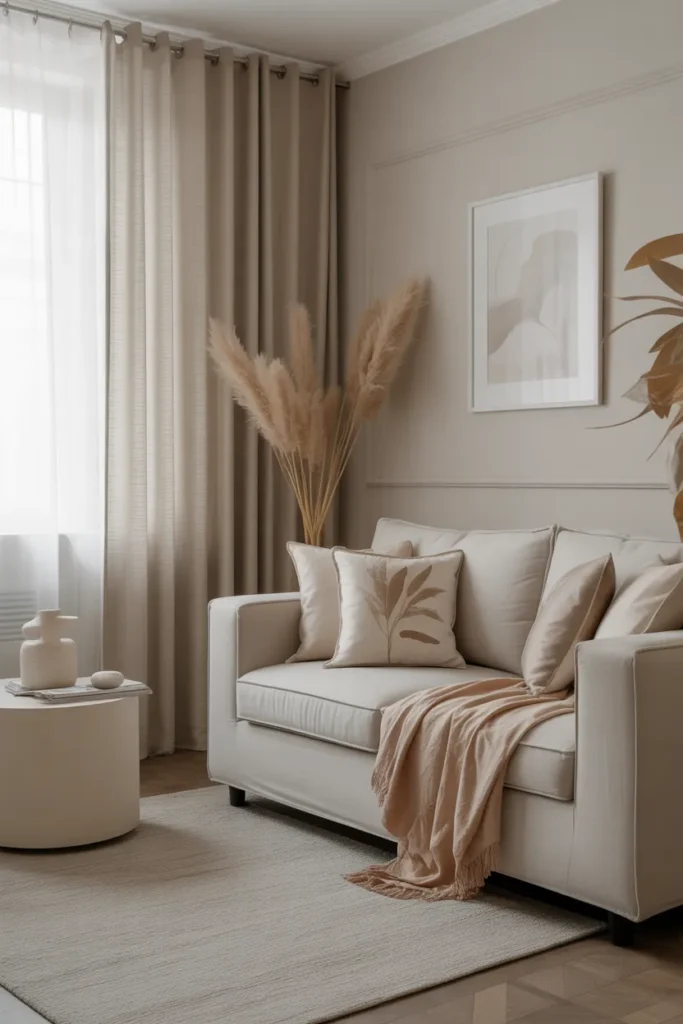
Too many colors can make a small room feel busy. Keep your palette consistent.
A good rule is:
- One main color
- One or two accent shades
This keeps the space calm and visually connected.
9. Use Rugs to Define Space
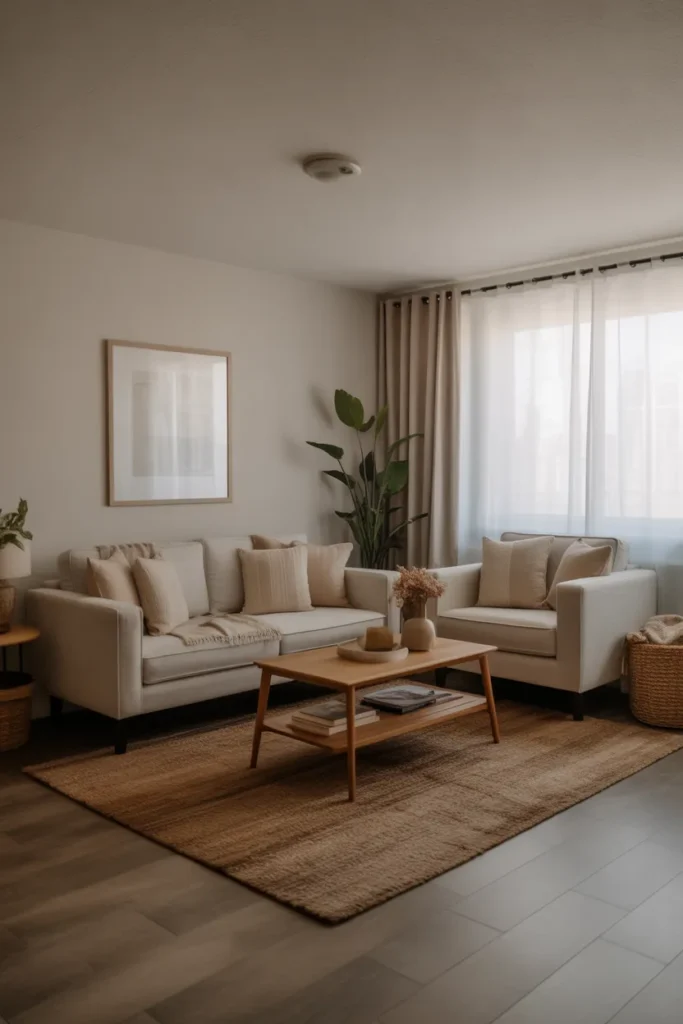
A well-chosen rug can anchor your seating area and make the room feel organized.
In small spaces, go slightly bigger with your rug than you think. A rug that fits under your main furniture pieces makes everything feel more cohesive.
10. Declutter Regularly
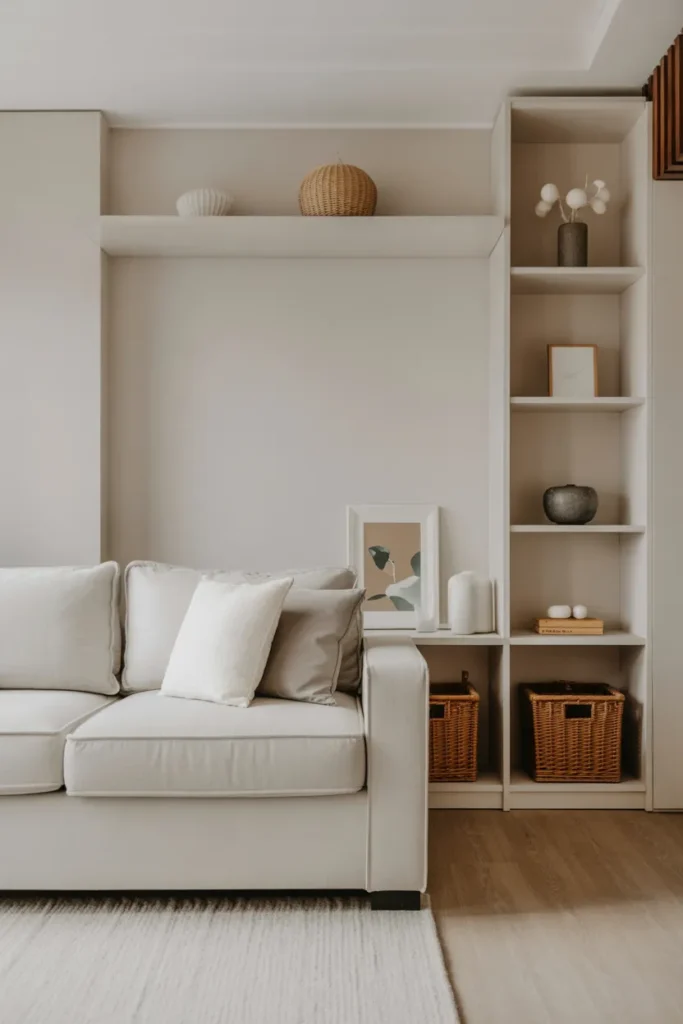
This might be the most important tip of all.
Small spaces show clutter quickly, so it’s important to edit often. Keep only what you use and love.
I like to follow a simple rule. If it doesn’t serve a purpose or bring joy, it probably doesn’t need to be there.
11. Add a Statement Piece
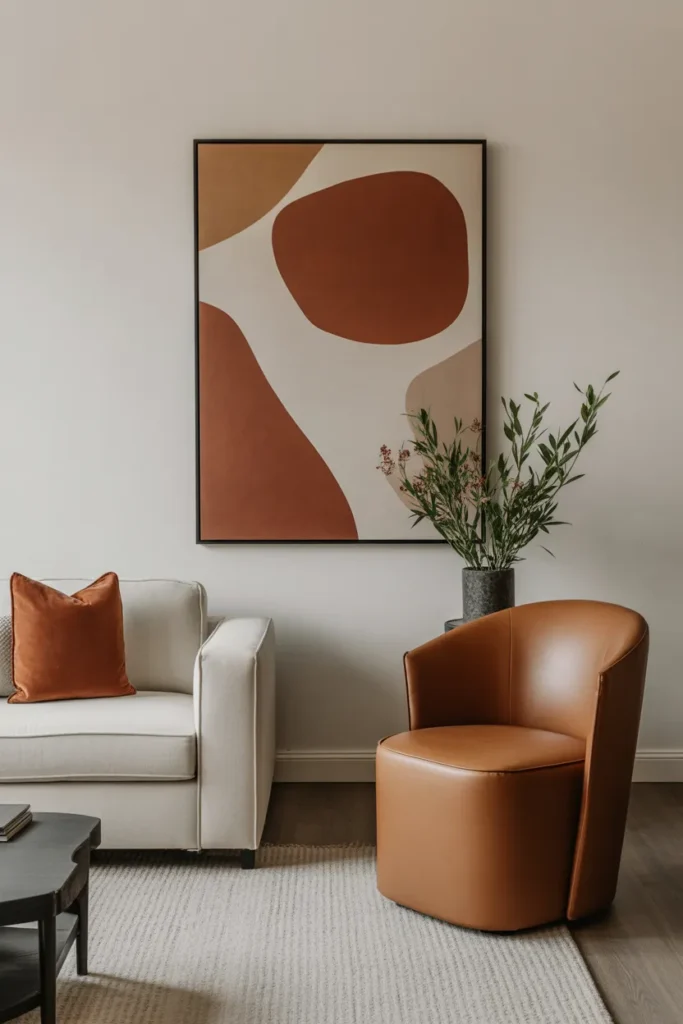
Even in a small room, you can have one standout element.
This could be:
- A bold piece of artwork
- A unique chair
- A stylish light fixture
Just keep it to one focal point so the room doesn’t feel overwhelming.
12. Choose Light-Weight Decor
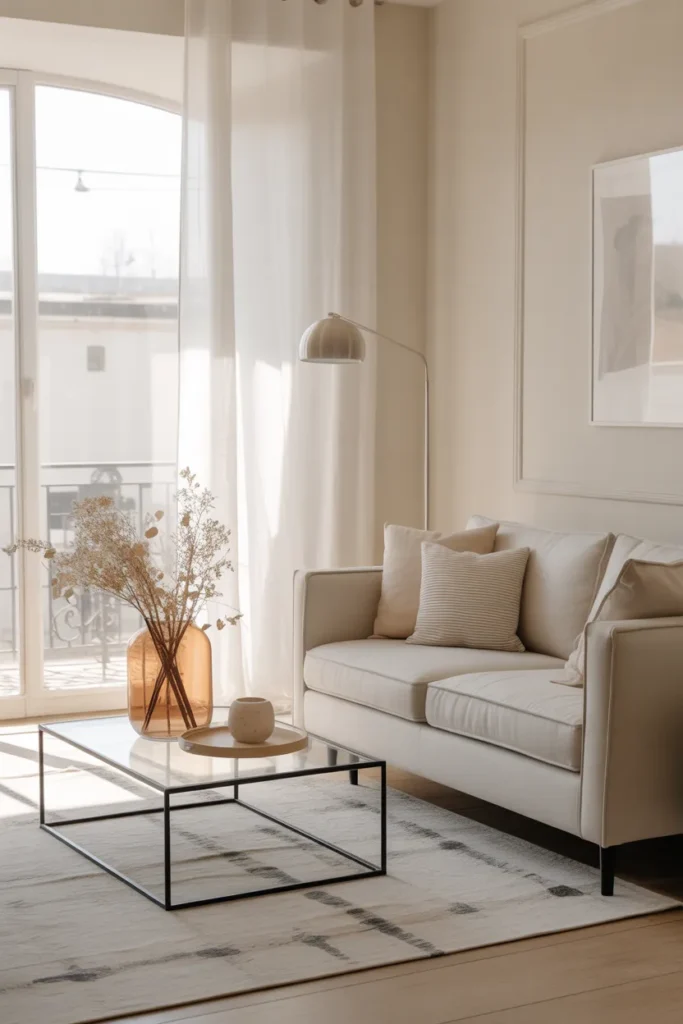
Heavy, bulky decor can make a room feel cramped. Opt for lighter-looking pieces instead.
For example:
- Glass or acrylic tables
- Slim metal lamps
- Minimalist frames
These create style without adding visual weight.
13. Create Zones Thoughtfully
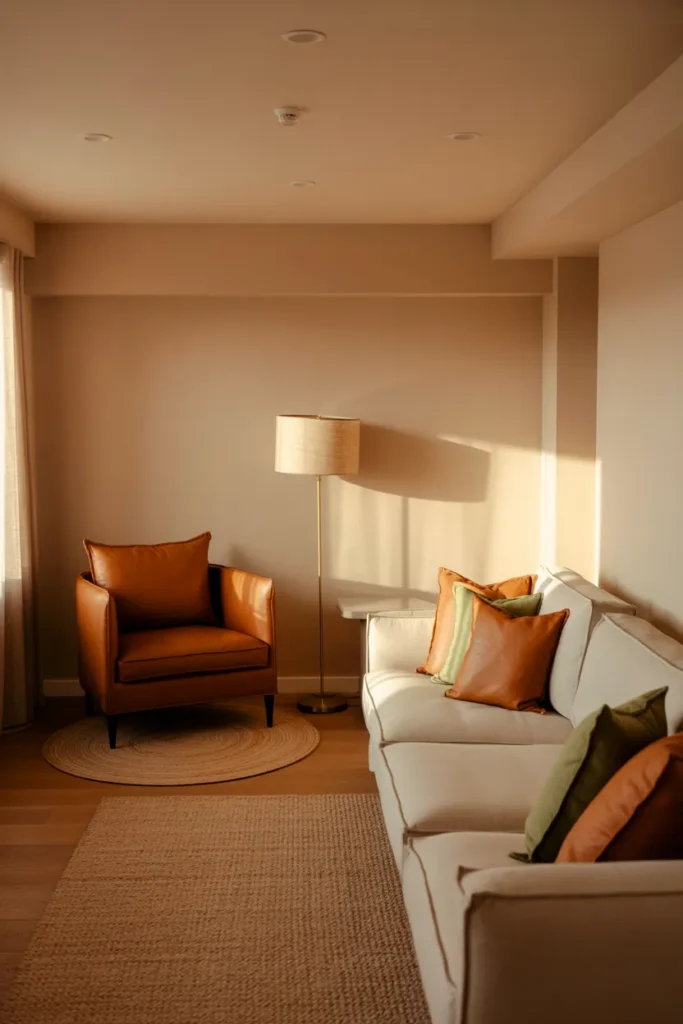
Even in a small living room, you can define different areas.
You might have:
- A seating area
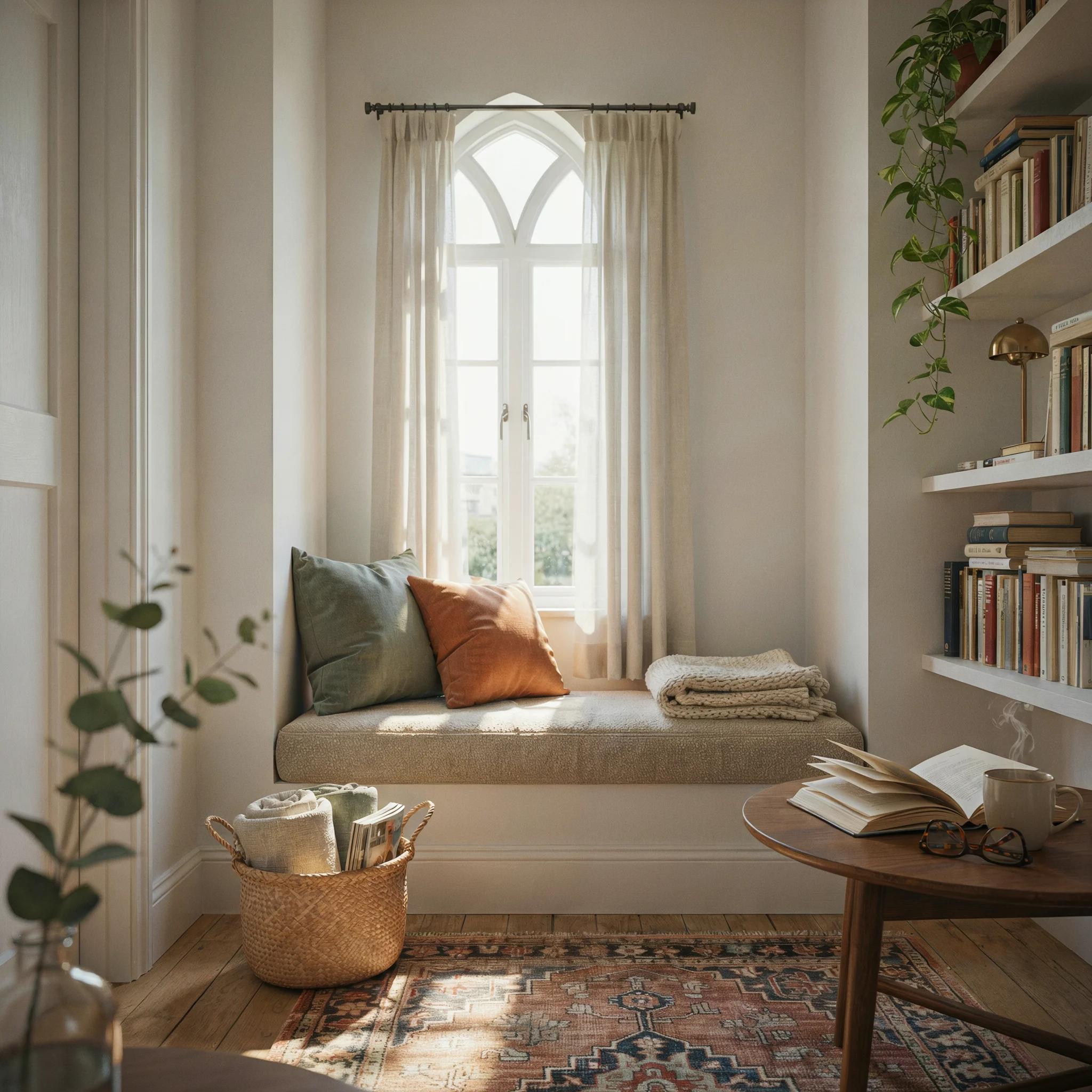
- A reading corner
- A small workspace
Use rugs, lighting, or furniture placement to subtly separate these zones. This makes the room feel more functional without adding clutter.
Final Thoughts
Designing a small living room is really about being intentional. Every piece, every color, and every layout choice matters a bit more. But that’s also what makes it fun.
From my experience, the best small spaces are not the ones filled with things. They’re the ones that feel balanced, comfortable, and easy to live in.
Start with one or two of these ideas and build from there. You don’t need to do everything at once. Even small changes can make a big impact when done right.