

In This Article Show
When I moved into my first apartment, the living room was so small that my couch nearly touched the opposite wall. I spent weeks feeling frustrated, convinced that good design was only for people with big, open floor plans.
Spoiler: I was completely wrong.
Over the years, I have learned that small rooms are not a design problem. They are a design challenge, and there is a real difference. With the right moves, a tiny room can feel intentional, cozy, and surprisingly spacious. None of that requires knocking down walls or spending a fortune.
1. Paint the Walls and Ceiling the Same Color
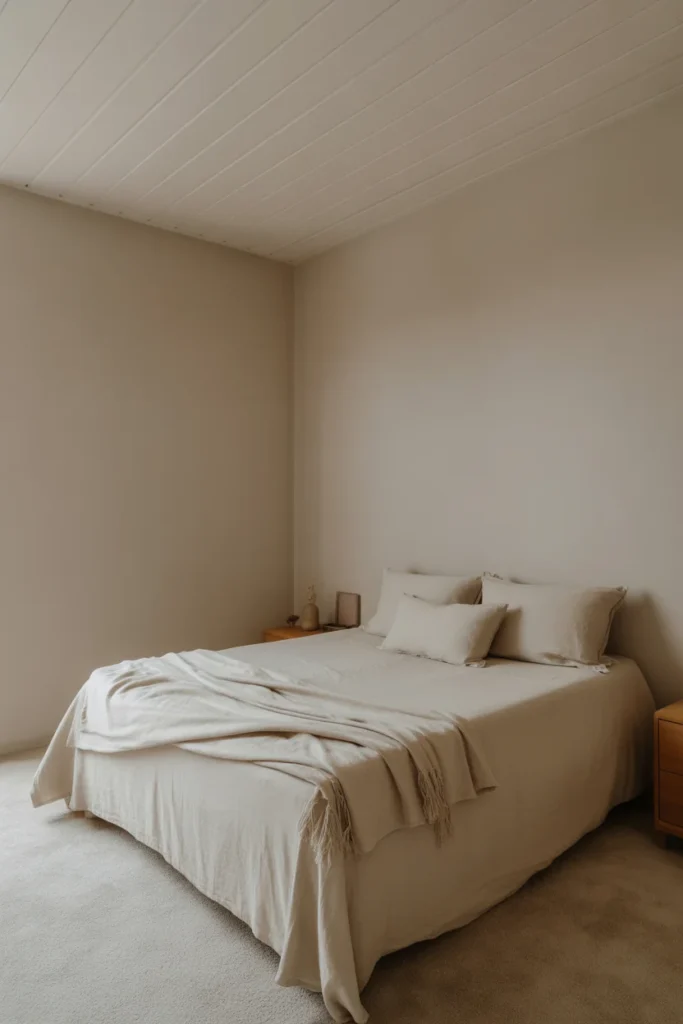
Most people stop at the walls. But when you carry the same paint color up onto the ceiling, something interesting happens. The eye loses track of where the walls end and the ceiling begins. The room feels taller and more continuous.
I tried this in a narrow bedroom using a warm off white, and the visual effect was immediate. The room stopped feeling like a box.
- Same color
- Taller feel
- No box effect
Project Card · 1 weekend · Easy
Materials Needed
- Light, warm paint in an eggshell finish for walls
- Same color in a flat finish for the ceiling
- Roller with an extension pole
- Angled brush, tray and painter’s tape
- Drop cloths and a stepladder
How to Make It
- Clear the room and cover the floor.
- Paint the ceiling first with the flat version of your color.
- Cut in the corners and edges where wall meets ceiling.
- Roll two coats on the walls.
- Paint the trim the same color or one shade lighter for a seamless look.
2. Choose Furniture with Legs
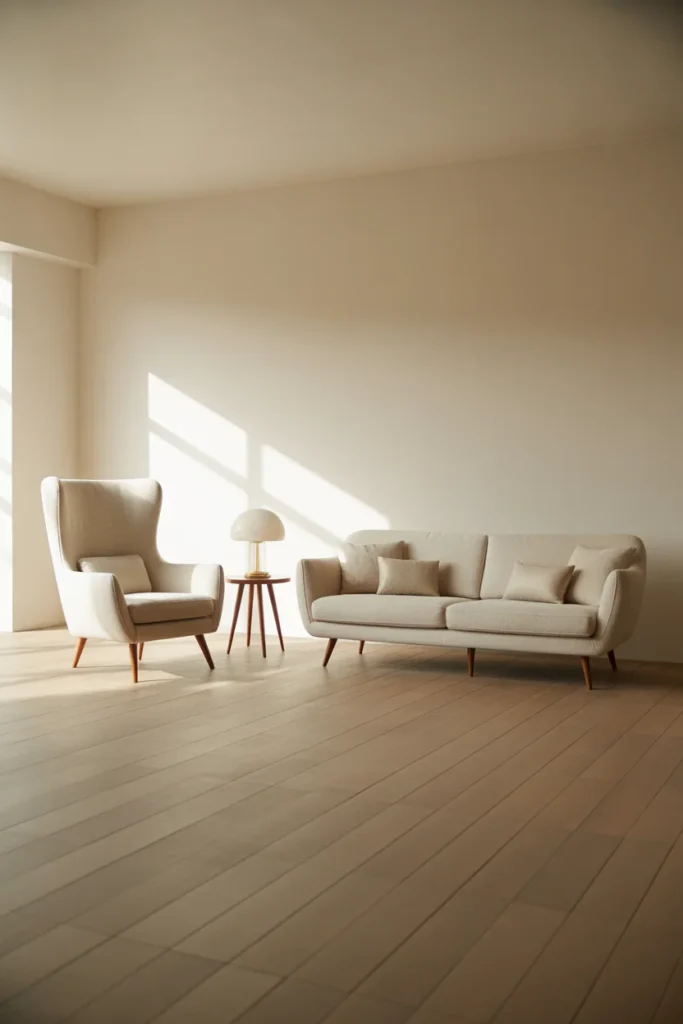
Sofas, chairs, beds, and side tables that sit directly on the floor create a visual block. Furniture raised on legs lets light and air travel underneath, which makes the floor feel longer and the room feel more open.
Even a few inches of clearance makes a noticeable difference.
- Leggy furniture
- Visible floor
- Light flow
3. Use One Large Rug Instead of Multiple Small Ones
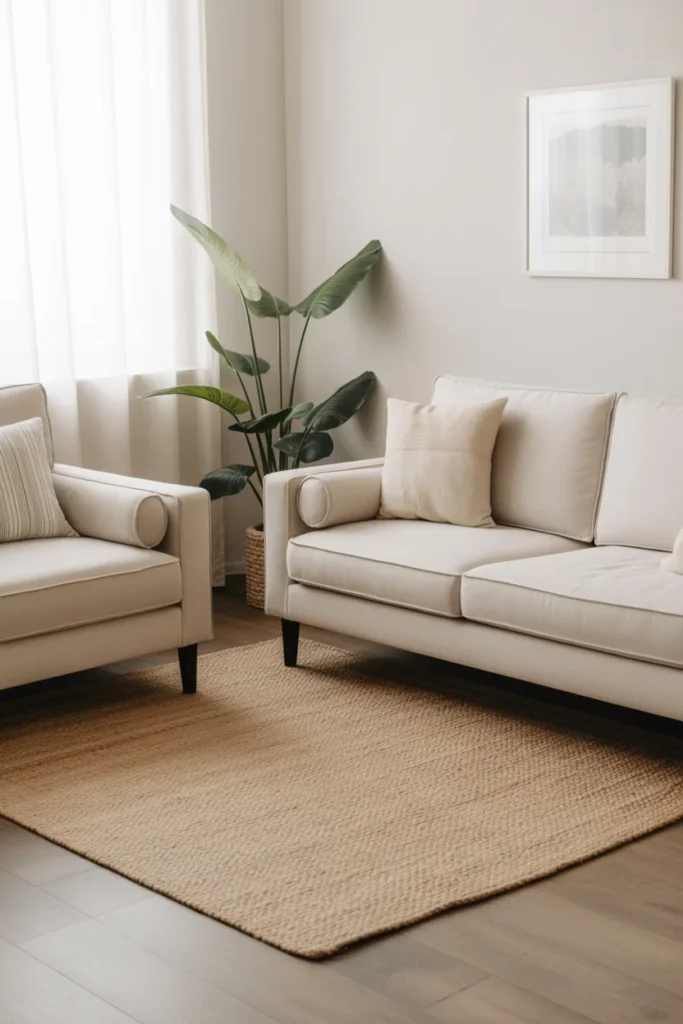
A small rug in a small room just emphasizes how small the room is. One large rug that extends under the furniture anchors the space and tricks the eye into reading the room as bigger.
The rule of thumb: at least the front legs of every major furniture piece should sit on the rug.
- One big rug
- Front legs on
- Anchors space
4. Mount Your TV on the Wall
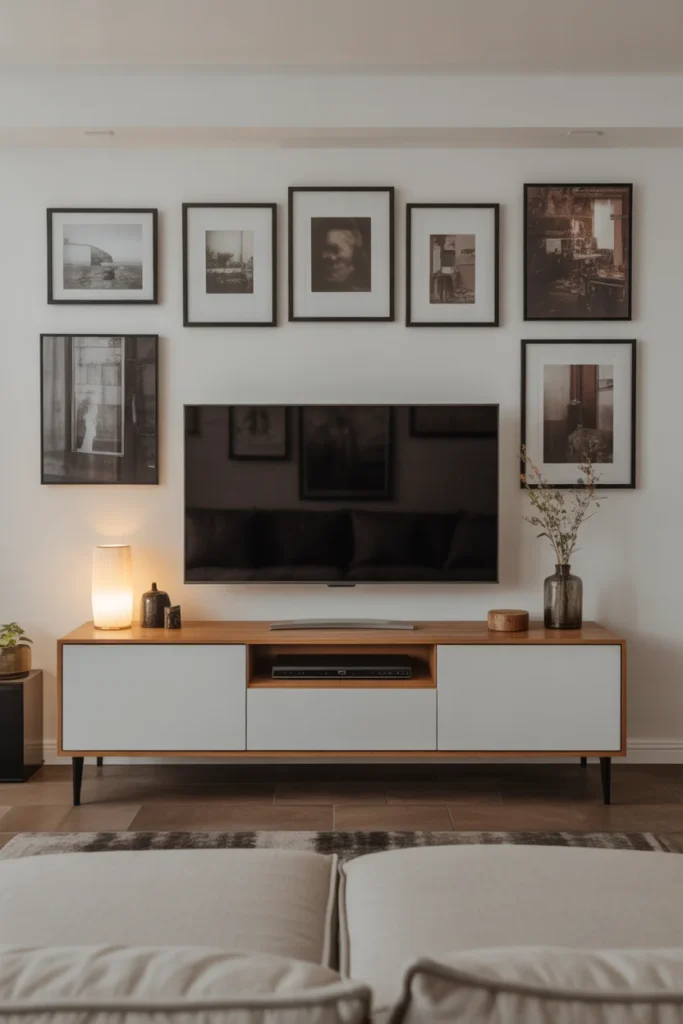
A TV stand or console takes up precious floor space and visual weight. Wall mounting the TV frees up the floor and makes the whole wall feel like part of the design rather than an obstacle course of furniture.
- Wall mounted TV
- Free floor
- Clean wall
Project Card · 1 hour · Moderate
Materials Needed
- TV wall mount rated for your TV size and weight
- Stud finder, level and drill
- Lag bolts that come with the mount
- In wall cord cover or paintable raceway
- A helper
How to Make It
- Find two studs and mark the height so the screen center sits near eye level when seated.
- Hold the wall plate level and mark the holes.
- Drill pilot holes into the studs and bolt the plate on.
- Fix the brackets to the TV and hang it with a helper.
- Hide the cords in a paintable raceway or a cord cover.
PRO TIP Always screw a TV mount into studs or masonry with the hardware rated for your TV. Drywall anchors alone are not safe for a wall mounted TV.

5. Go Vertical with Storage
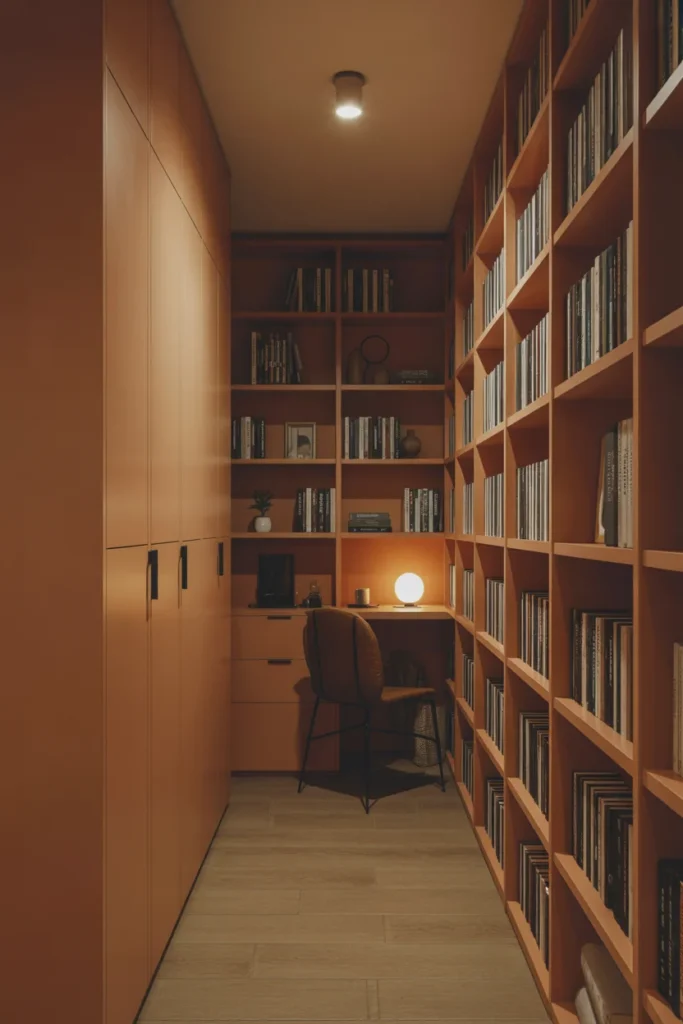
When floor space is limited, the answer is almost always up. Tall bookshelves, wall mounted cabinets, and floating shelves draw the eye upward and use space that would otherwise just be empty wall.
Floor to ceiling shelving in particular makes a room feel like it has more height and purpose.
- Go vertical
- Tall shelves
- Use height
6. Keep the Floor as Clear as Possible
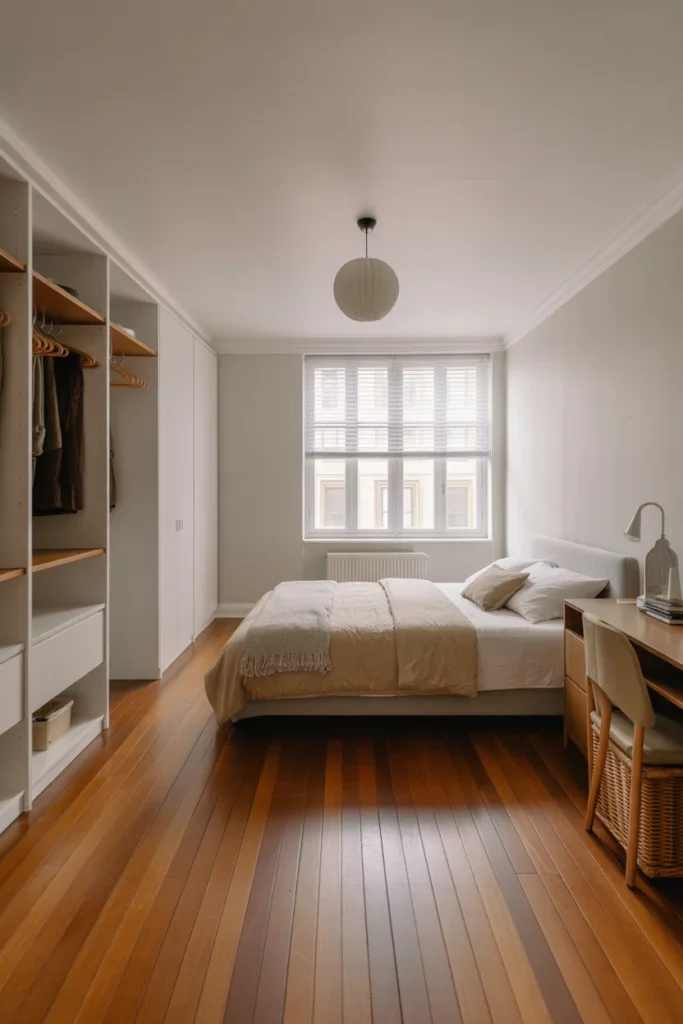
The more floor you can see, the bigger the room feels. Every item sitting on the floor, whether it is a plant, a basket, or a spare chair, eats into that sense of space.
This does not mean the room has to look sparse. It means being selective about what lives on the floor versus what gets stored, hung, or stacked.
- Clear floor
- Be selective
- Store or hang
7. Use Mirrors Strategically
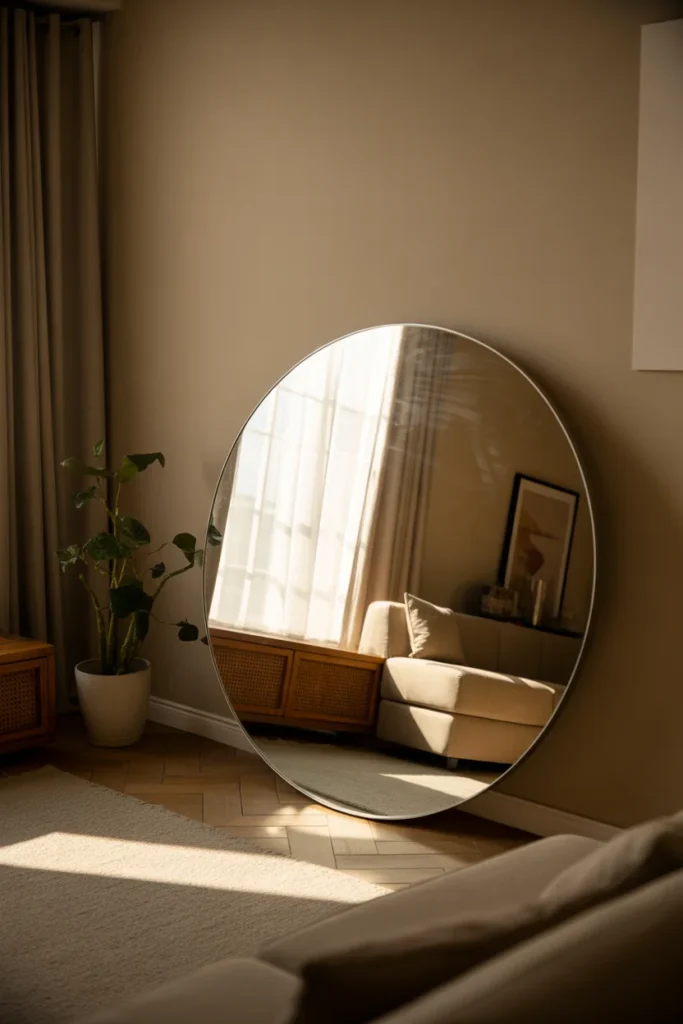
A well placed mirror is probably the oldest trick in the book, but it works because it actually doubles the visual depth of a room. The key word is strategic.
- Place a mirror across from a window to reflect natural light
- Use a floor length mirror to make a bedroom feel longer
- Avoid placing mirrors directly across from cluttered areas, because they will double that too
For more bedroom tricks, see this guide on how to decorate a bedroom.
- Mirrors
- Across from window
- Avoid clutter
8. Choose a Light Color Palette
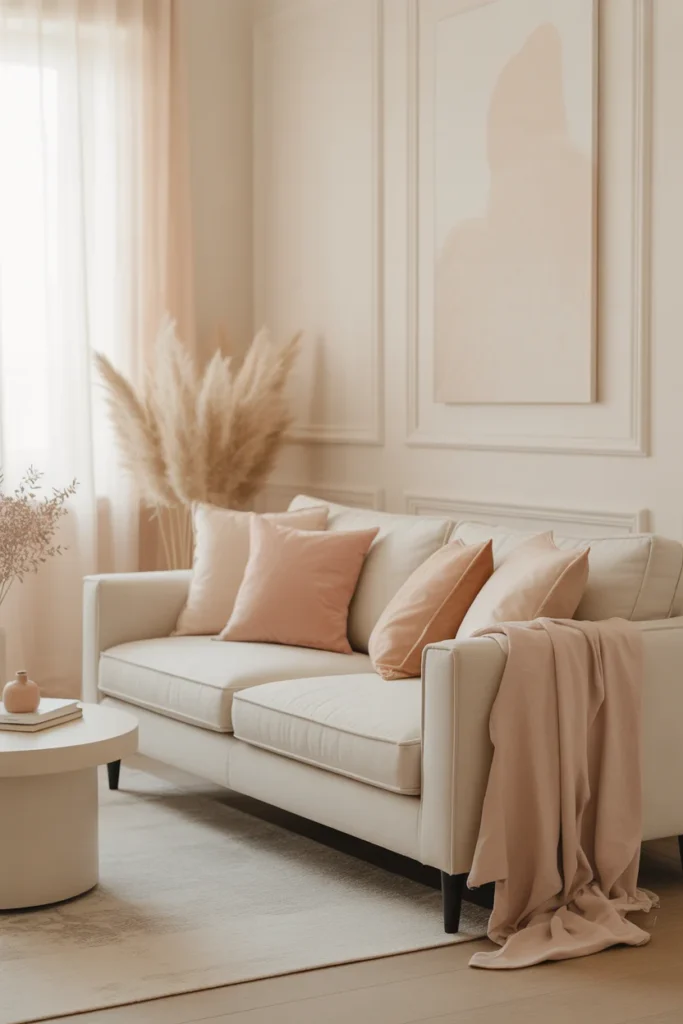
Dark colors absorb light. Light colors reflect it. In a small room, walls in soft whites, pale greiges, or muted pastels keep things feeling airy and open.
This does not mean the room needs to be all white. You can absolutely use color, especially in textiles, art, and accents. Just keep the main surfaces on the lighter side.
- Light colors
- Reflect light
- Color in accents
9. Embrace Multifunctional Furniture
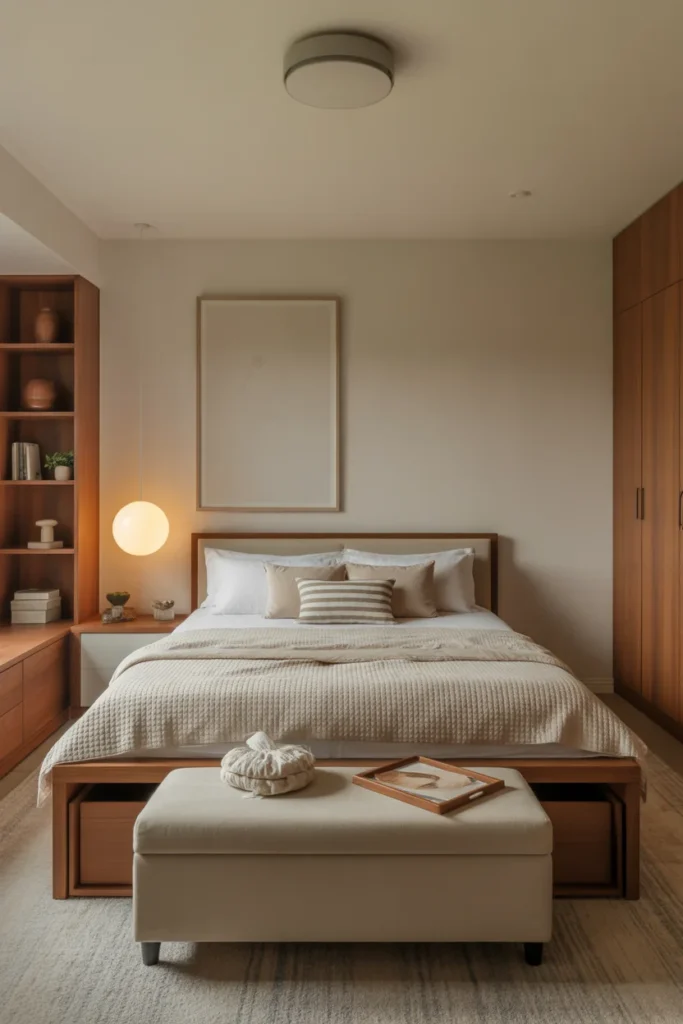
This is not about compromising. Some of the best designed furniture does double or triple duty.
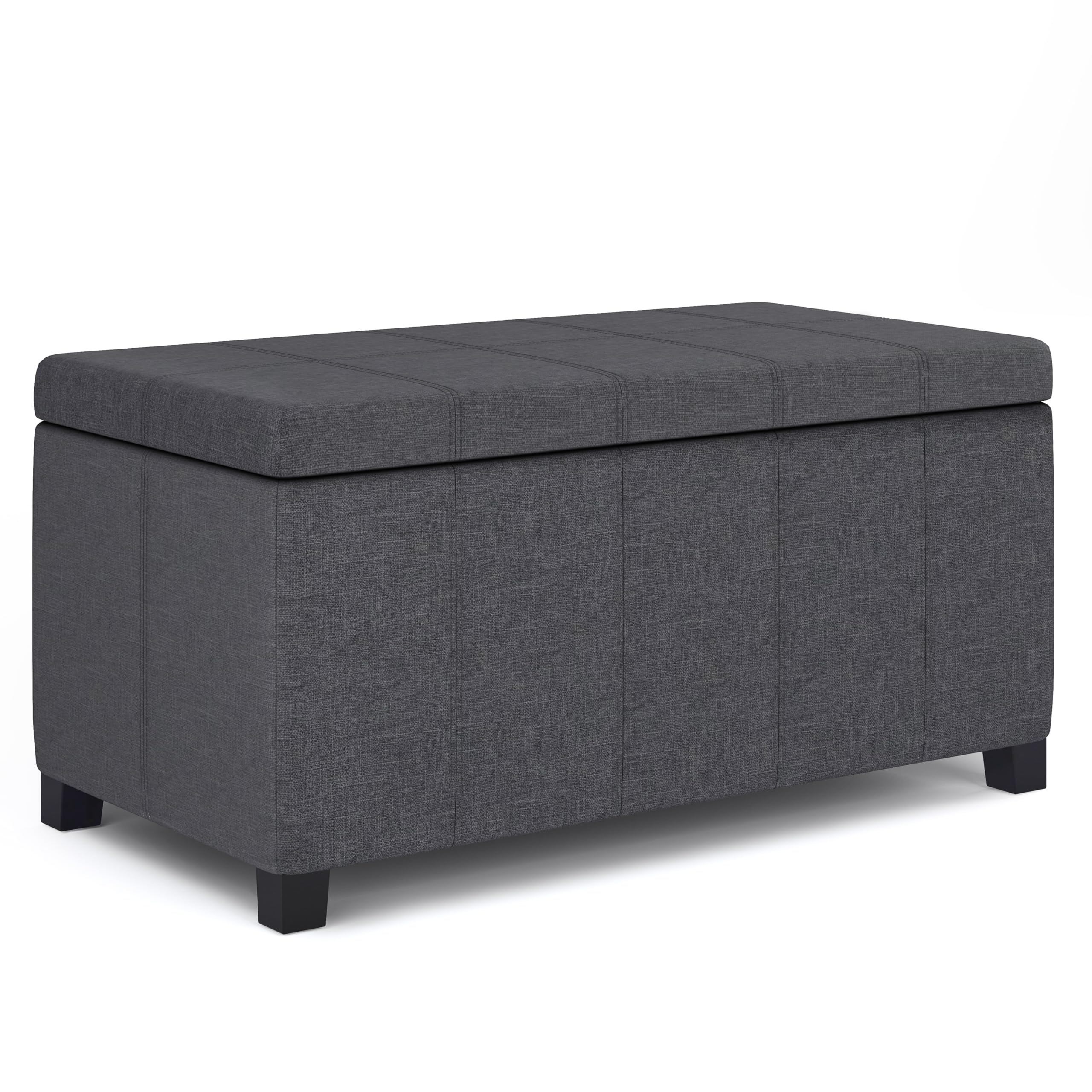
- An ottoman with storage inside
- A bed frame with built in drawers
- A dining table that folds flat against the wall
- A bench at the foot of the bed that also holds extra blankets
Every piece that serves more than one purpose means one less piece of furniture you need to find a home for.
- Double duty
- Hidden storage
- Fewer pieces
10. Hang Curtains High and Wide
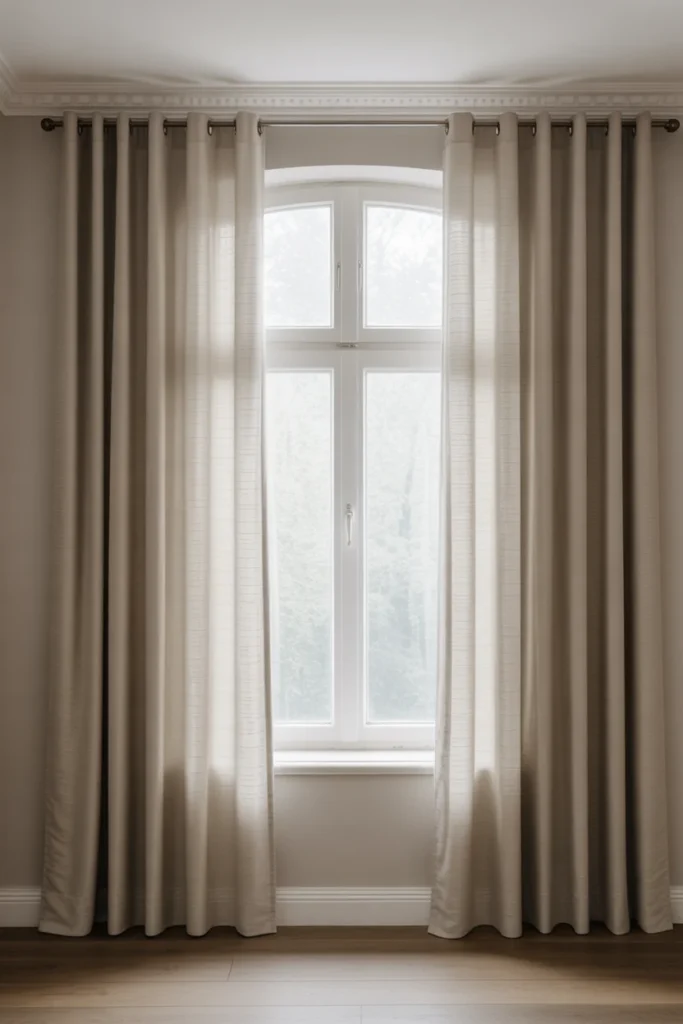
This is a simple move that has a dramatic effect. Instead of hanging curtain rods at the top of the window frame, mount them as close to the ceiling as possible. And instead of cutting the curtains to fit the exact width of the window, let them extend wider on both sides.
The result looks like a much larger window, which makes the whole room feel more generous.
- High and wide
- Bigger window
- More generous
Project Card · 1 hour · Easy
Materials Needed
- Curtain rod 12 to 24 inches wider than the window
- Floor length curtain panels
- Drill, wall anchors and level
- Tape measure
How to Make It
- Measure the window width and add 6 to 12 inches on each side.
- Mark the bracket height as close to the ceiling as the room allows.
- Fix the brackets with anchors and check they are level.
- Hang the rod and panels so they just touch the floor.
- Open the curtains past the frame so the full window shows by day.

11. Skip the Coffee Table (or Swap It for a Smaller One)
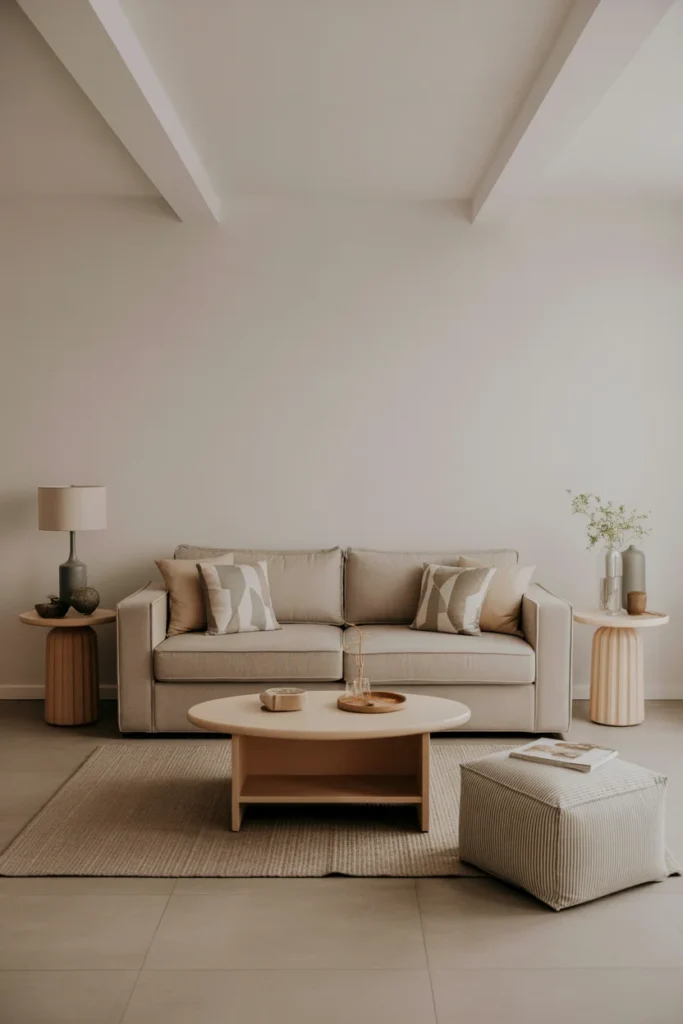
In a small living room, the coffee table can easily take over the center of the space. Consider replacing it with a pair of small side tables that can be moved around, or using a narrow bench, or skipping it altogether in favor of a small tray on a pouf.
Less furniture in the center of the room means more breathing room.
For more layouts, see these small living room decor ideas.
- Skip or shrink
- Side tables
- Center space
12. Use Glass and Acrylic Furniture
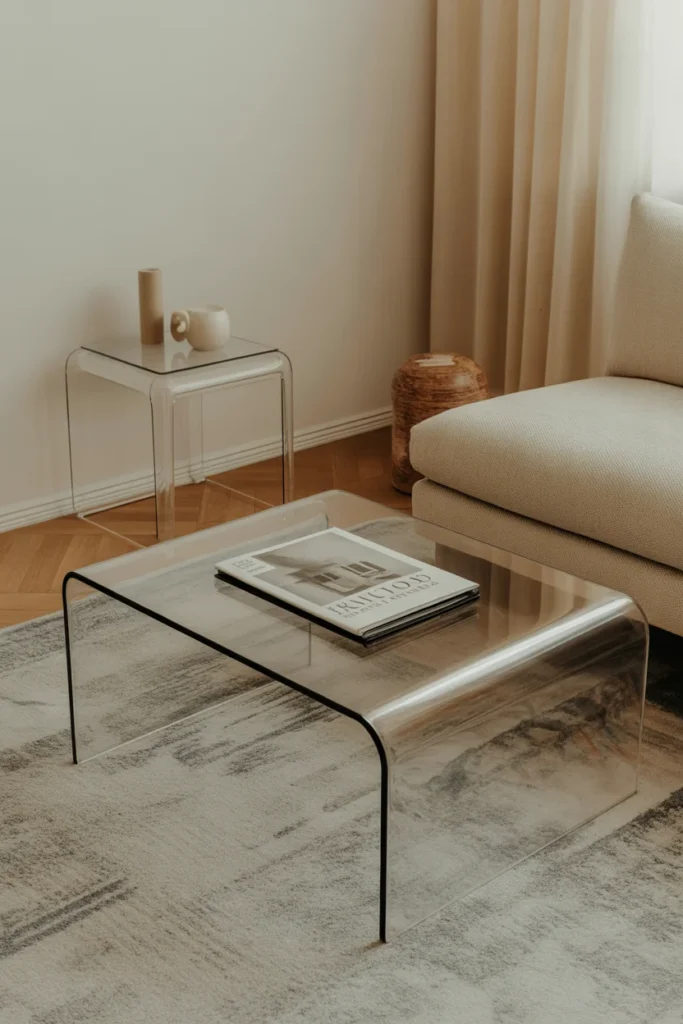
Transparent furniture, especially coffee tables, side tables, and chairs made from acrylic or glass, barely registers visually. Your eye passes right through it. This keeps the room feeling light even when you technically have a full complement of furniture.
I added a acrylic side table to a tight reading nook and it genuinely looks like there is nothing there, which is exactly the point.
- See through
- Acrylic
- Glass
13. Reduce Visual Clutter
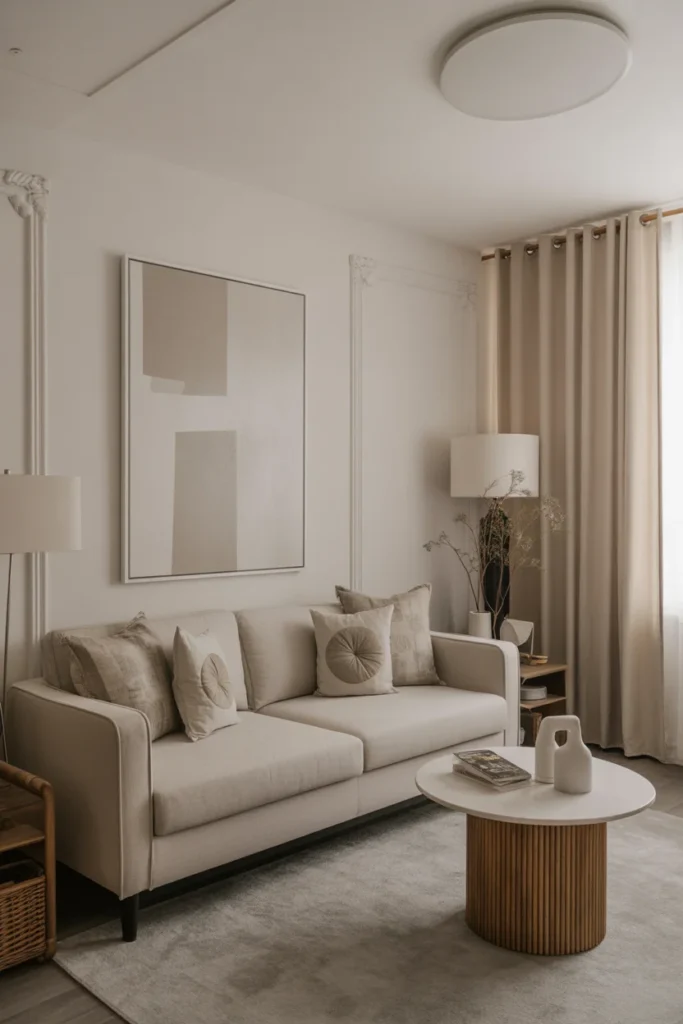
This one is less about buying something new and more about editing what you already have. Too many small objects, mixed patterns, and competing colors make a room feel chaotic and small.
A few intentional pieces always read as more spacious than a collection of everything you love crammed together. Rotate things in and out seasonally rather than displaying everything at once.
If you love a clean look, these minimalist living room ideas go further.
- Edit
- Fewer objects
- Rotate decor
14. Try a Monochromatic Color Scheme
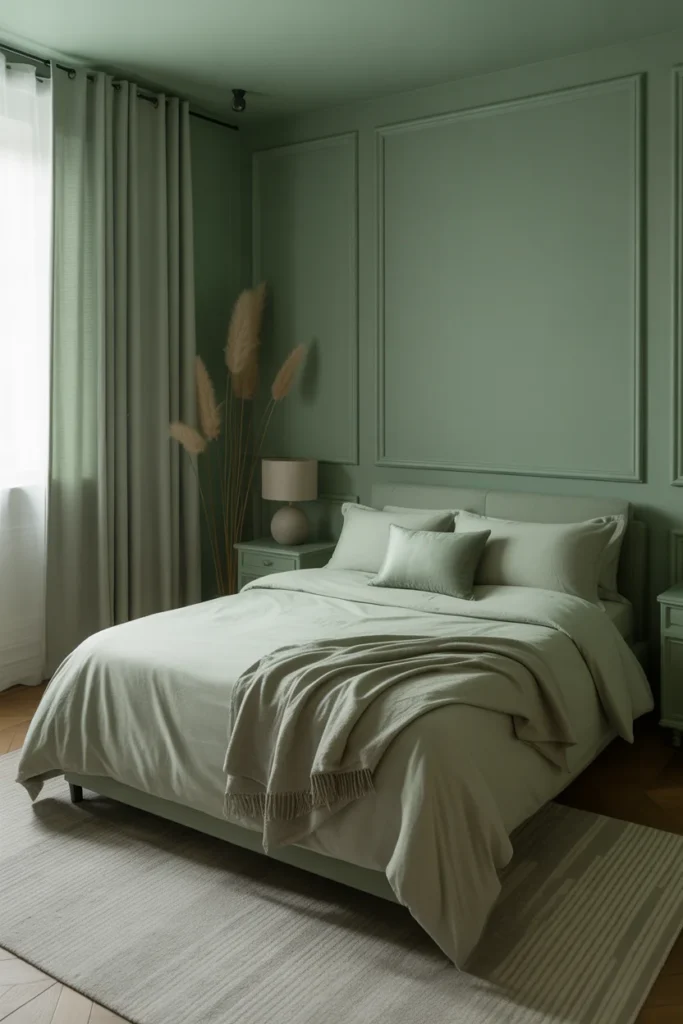
When walls, furniture, and textiles are all in the same color family, the eye moves smoothly around the room without stopping on contrasts. This seamlessness makes the space feel larger and more cohesive.
Tone on tone is not boring. Done well, it is actually quite sophisticated.
- Tone on tone
- Seamless
- Sophisticated
15. Use Lighting Layers
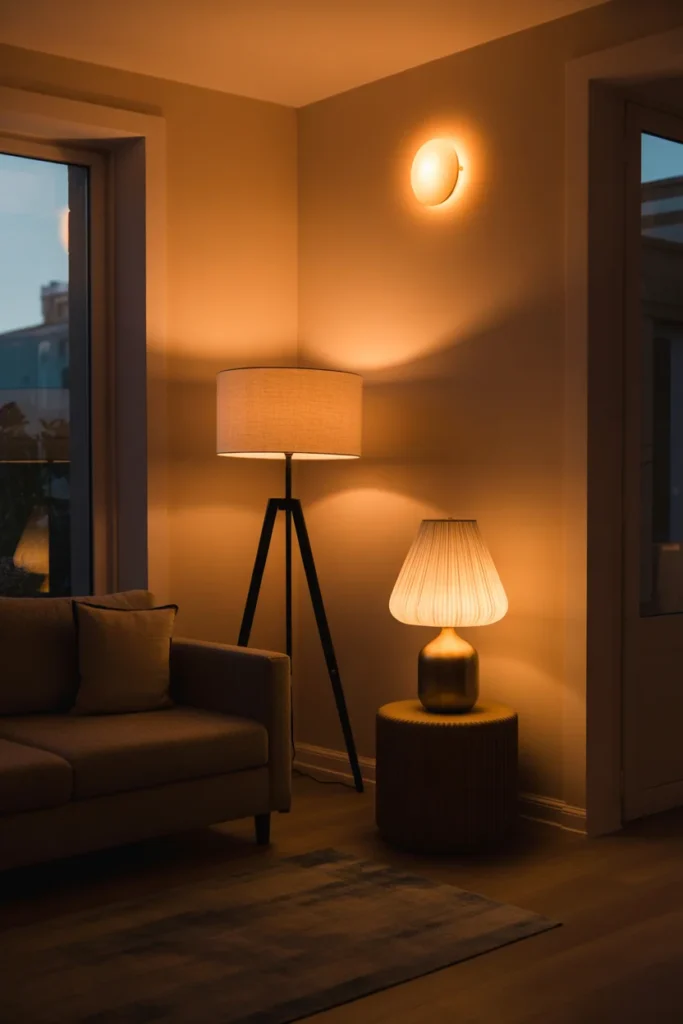
A single overhead light makes a room feel flat and every corner visible, which can make it feel smaller. Layered lighting, meaning a mix of floor lamps, table lamps, wall sconces, and ambient light, creates depth and draws the eye around the room.
Specifically, lighting a dark corner makes the room feel like it extends into that space rather than stopping there.
- Layered light
- Lit corners
- Depth

16. Keep Window Treatments Simple

Heavy, layered curtains can overwhelm a small room and block valuable light. Light, sheer panels or simple Roman shades let in more natural light and keep the window area from feeling fussy.
If privacy is not a concern, leave windows completely bare. Nothing opens up a room like unobstructed daylight.
- Sheers
- Roman shades
- More daylight
17. Choose a Statement Piece Instead of Many Small Ones
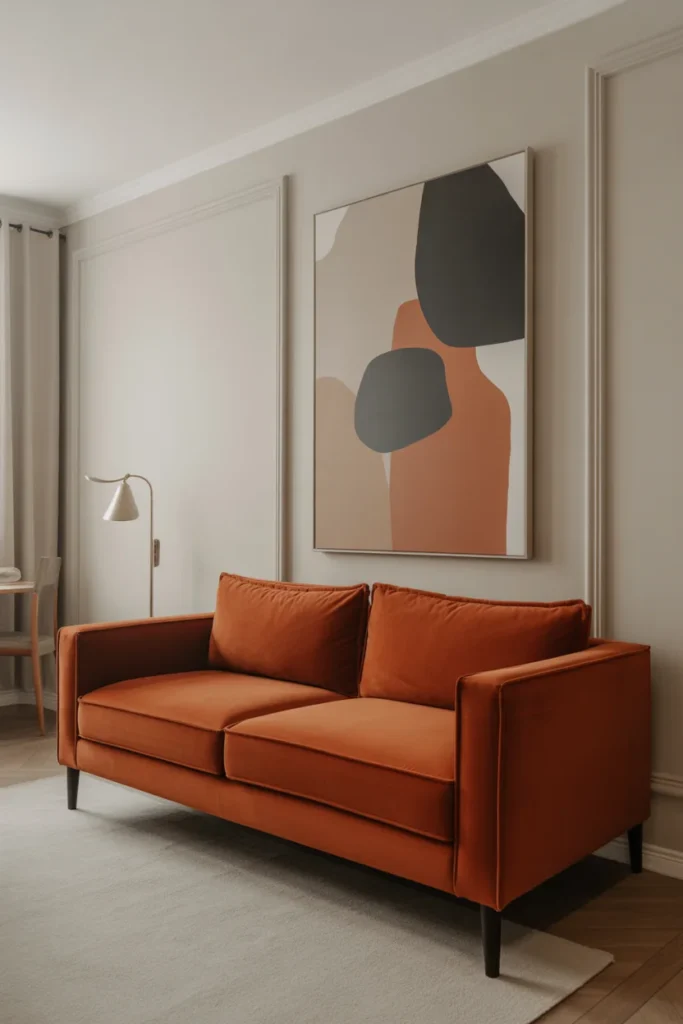
In a small room, one bold piece of furniture or art anchors the space and gives it personality. Many small, scattered pieces just create noise.
One great sofa in a strong color. One oversized piece of art. One interesting light fixture. That is a room with a point of view.
- One bold piece
- Point of view
- Less noise
18. Use Built Ins Where You Can
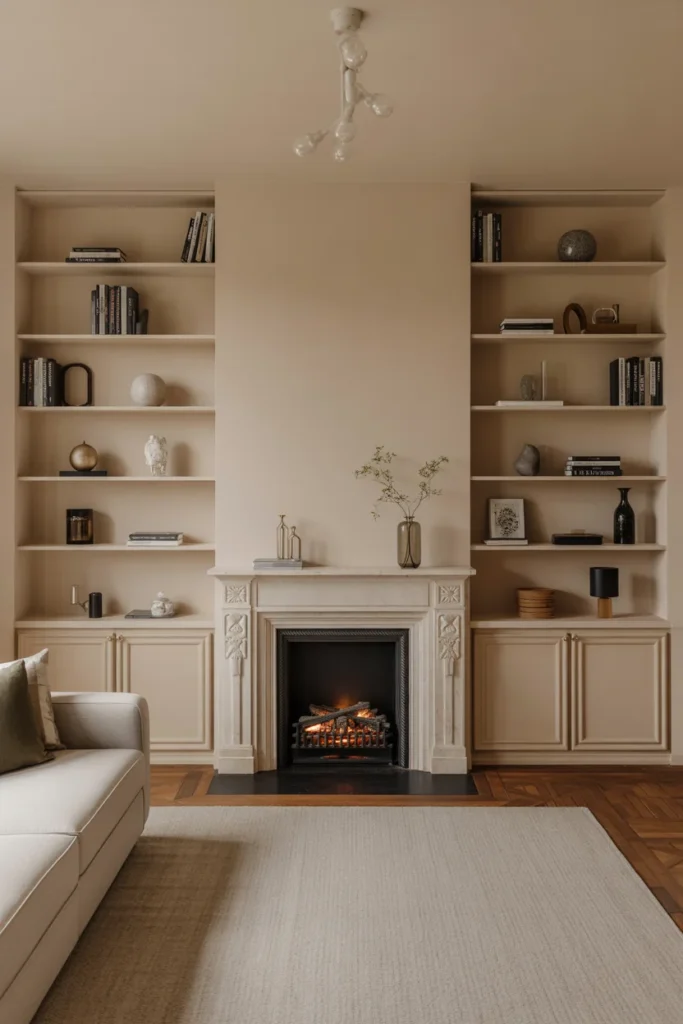
Built in shelving, window seats with storage, and built in benches hug the walls and use space that freestanding furniture would just waste. They also look intentional and custom, which elevates the whole room.
If you rent, there are freestanding versions of most built in ideas that achieve a similar effect.
- Built ins
- Hug walls
- Renter options
19. Declutter Before You Decorate
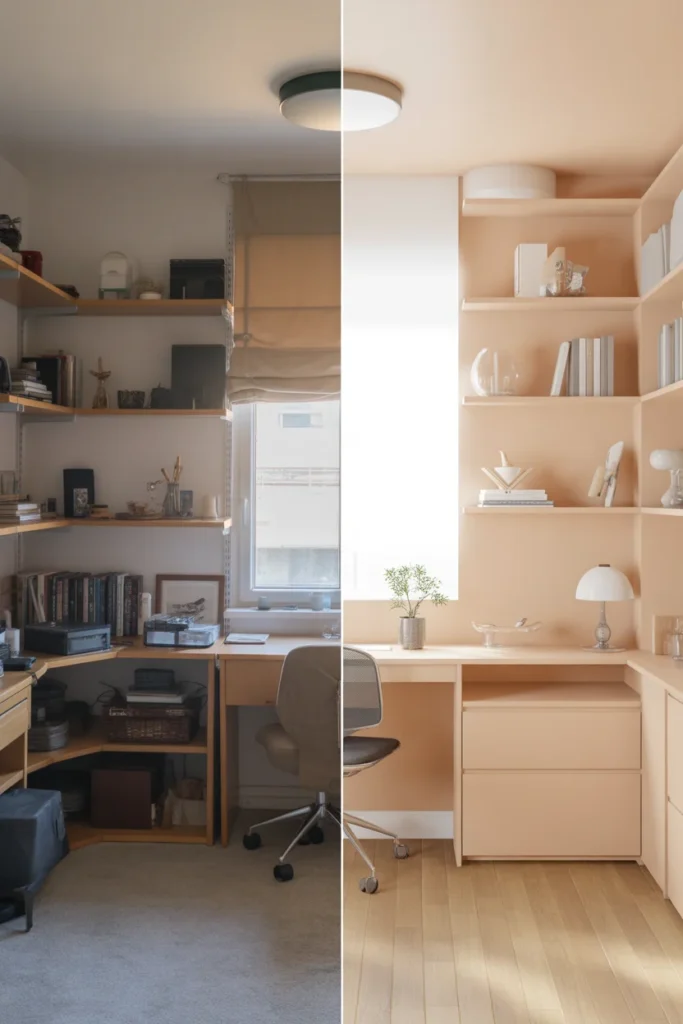
I know this sounds obvious, but it is worth saying directly. No design trick in the world can overcome a room that has too much stuff in it. Before rearranging furniture or buying anything new, go through what you have.
Be honest about what you actually use and love versus what you are just storing. Less stuff, more space. It is that simple.
Start with the closet using these small closet organization hacks.
- Declutter first
- Honest edit
- More space
20. Try Diagonal Furniture Placement
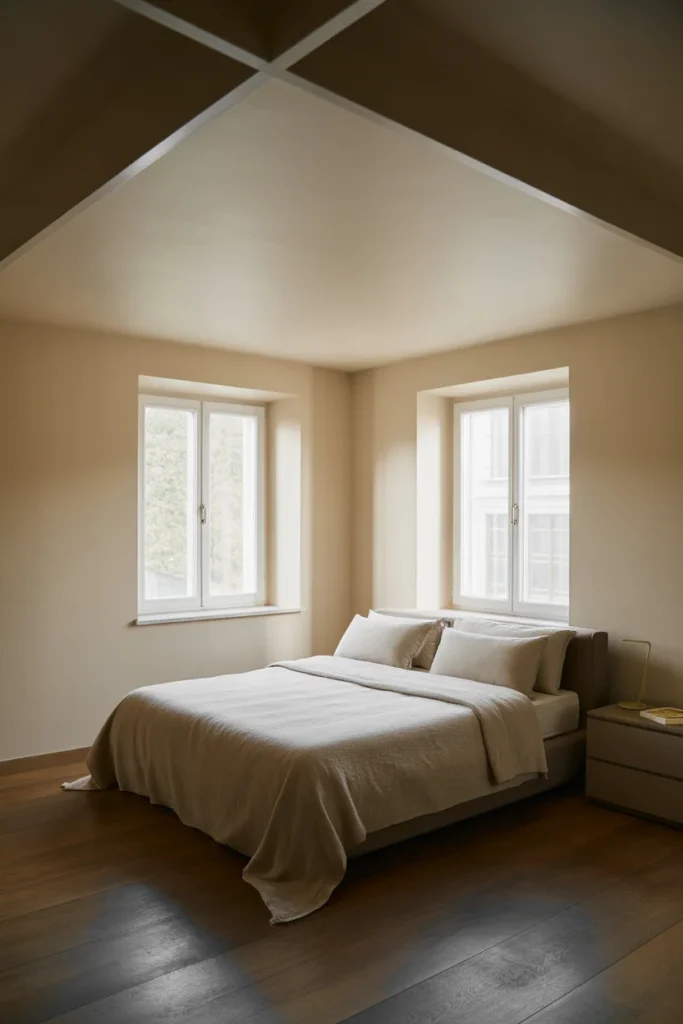
Placing a sofa or bed at a slight angle can feel unexpected, but it actually works well in small, square rooms. The diagonal creates a sense of movement and makes the room feel less boxy.
It takes some confidence, but once you try it, you might not go back.
- Diagonal
- Movement
- Less boxy
PRO TIP Before moving heavy furniture, test the angle with painter’s tape on the floor so you can see the walking paths first.
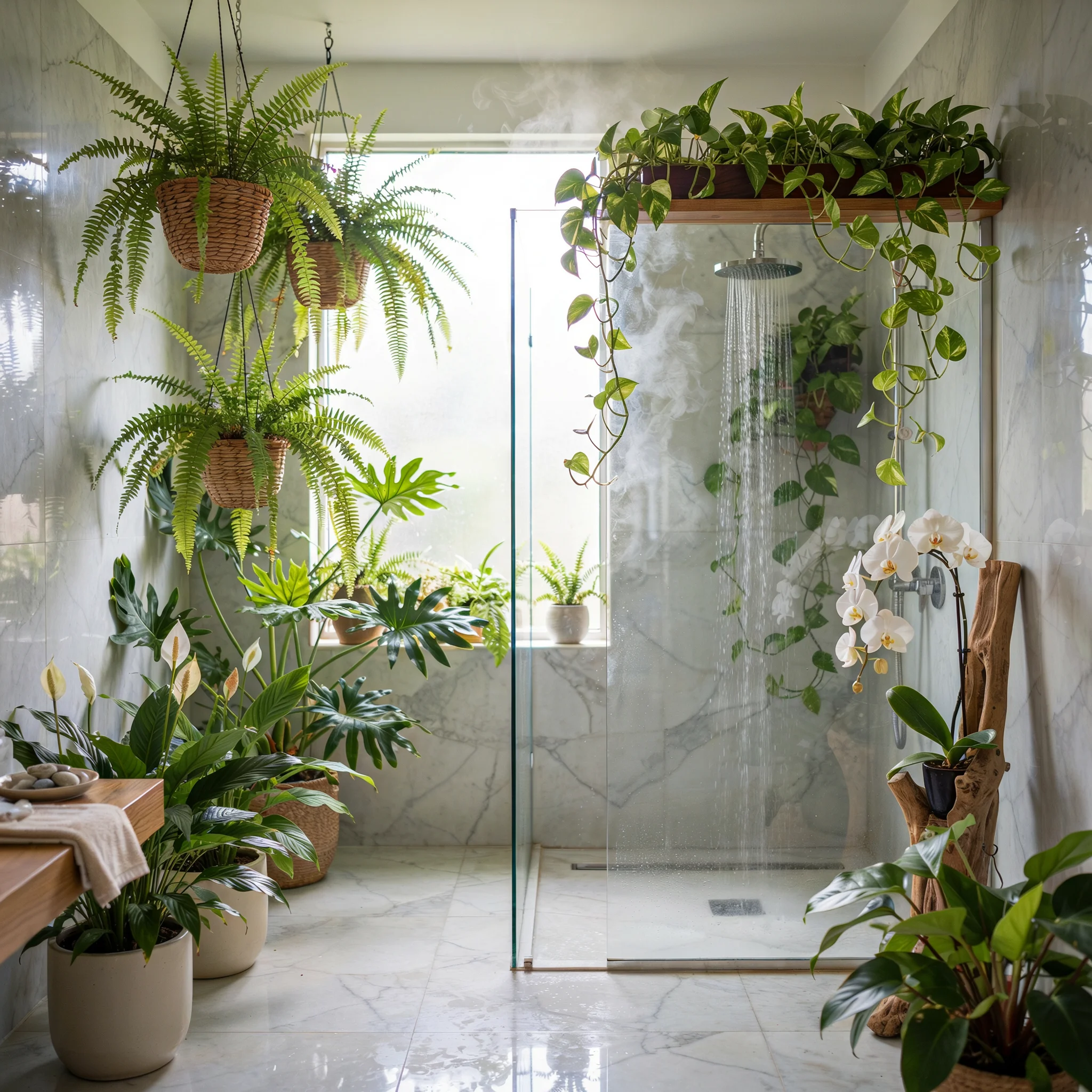
21. Add Plants Without Cluttering the Floor
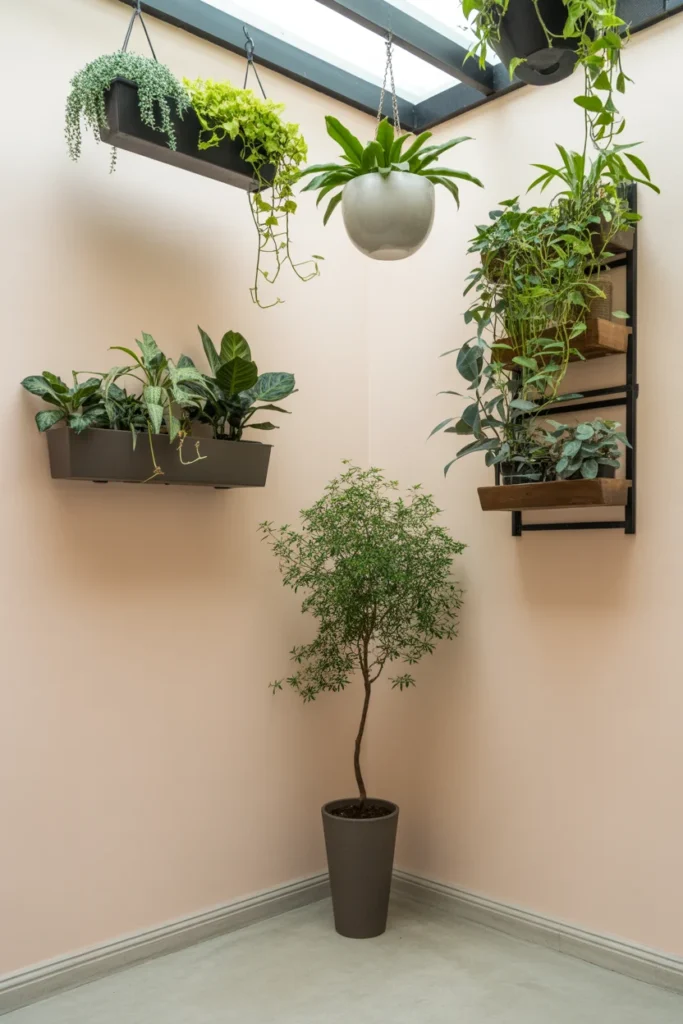
Plants bring life and warmth to any room. In a small space, the challenge is adding them without sacrificing floor real estate.
- Wall mounted plant holders
- Hanging planters from the ceiling
- A single tall plant in a floor planter (vertical, not spreading)
- Plants grouped on a windowsill
The vertical options especially make a room feel layered and alive without crowding the floor.
- Hanging plants
- Windowsill
- Vertical green

22. Use Narrow, Tall Furniture in Hallways and Tight Spaces
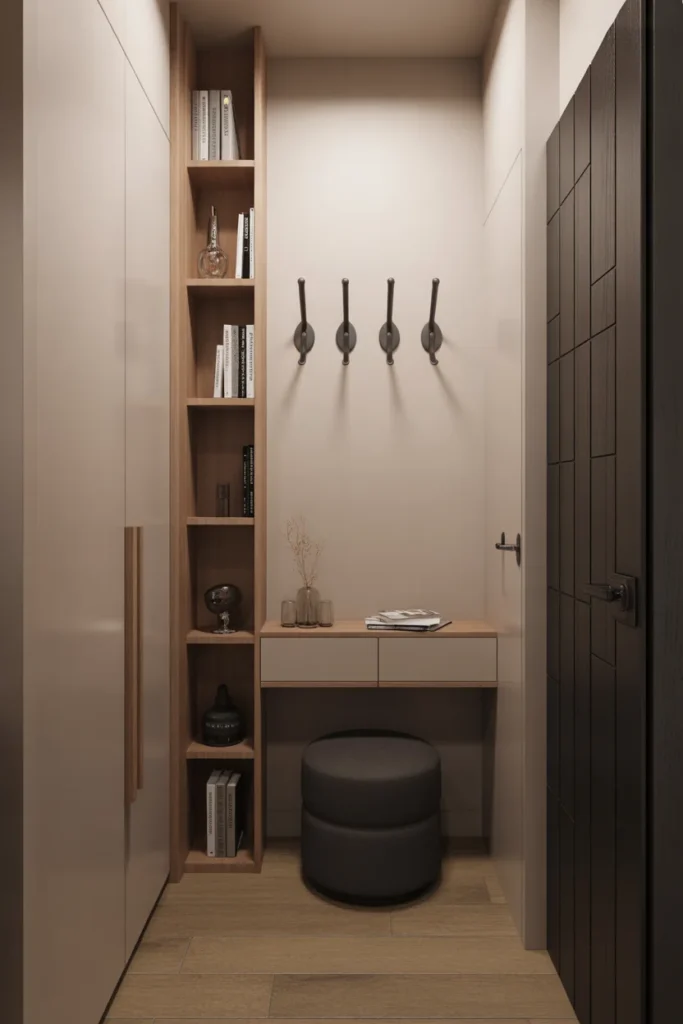
In entry halls or tight corridors, furniture that goes up rather than out is your best option. A narrow console table, a tall slim bookcase, or a wall mounted key and mail station all add function without blocking the path.
The goal is to make the space work for you rather than apologize for its size.
- Narrow pieces
- Clear path
- Go up
23. Embrace the Scale of the Room
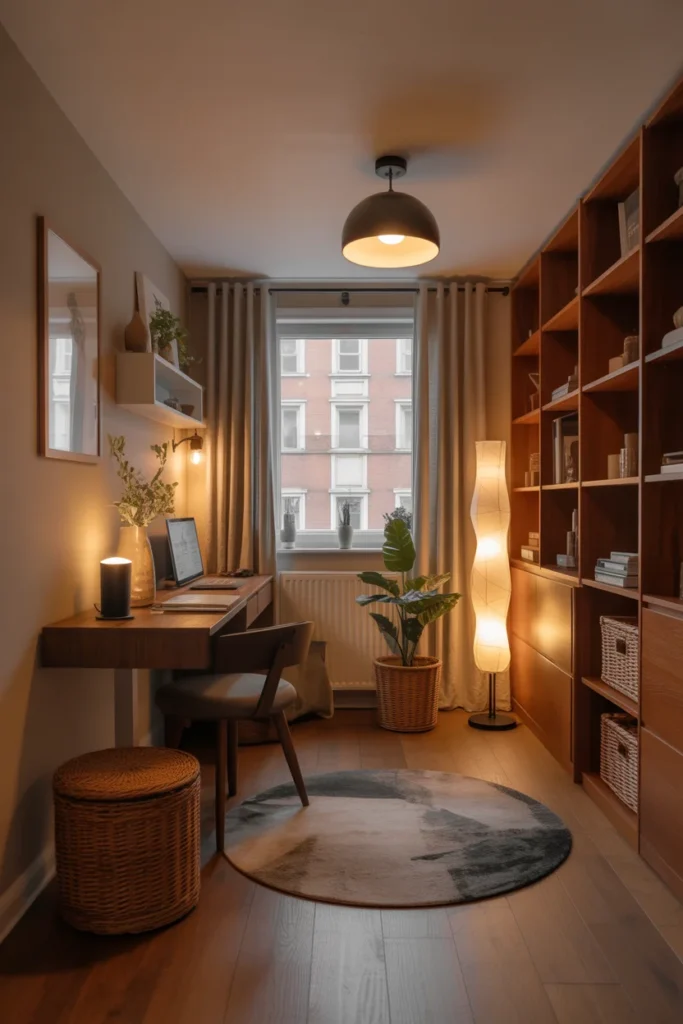
This last one is a mindset shift more than a design tip. Small rooms do not need to feel like compromises. Some of the most beautiful, well designed spaces in the world are tiny.
Think of a cozy reading nook, a snug kitchen with everything within reach, a bedroom that wraps around you. Small done well feels intentional and personal. The goal is not to fake a bigger space. It is to make the space you have feel like exactly enough.
For a cozy corner of your own, see these small apartment reading nooks.
- Mindset
- Cozy
- Exactly enough
Frequently Asked Questions
What is the best color for a small room?
Soft whites, warm off whites, pale greige and muted pastels reflect the most light. Painting the walls and ceiling the same color makes the room feel taller too.
How do I arrange furniture in a small room?
Leave a clear walking path, push larger pieces against the walls, and use one large rug to tie everything together. A diagonal sofa can help in a square room.
Do mirrors really make a small room look bigger?
Yes. A mirror across from a window reflects daylight and doubles the sense of depth. Avoid facing it toward clutter, since it will double that too.
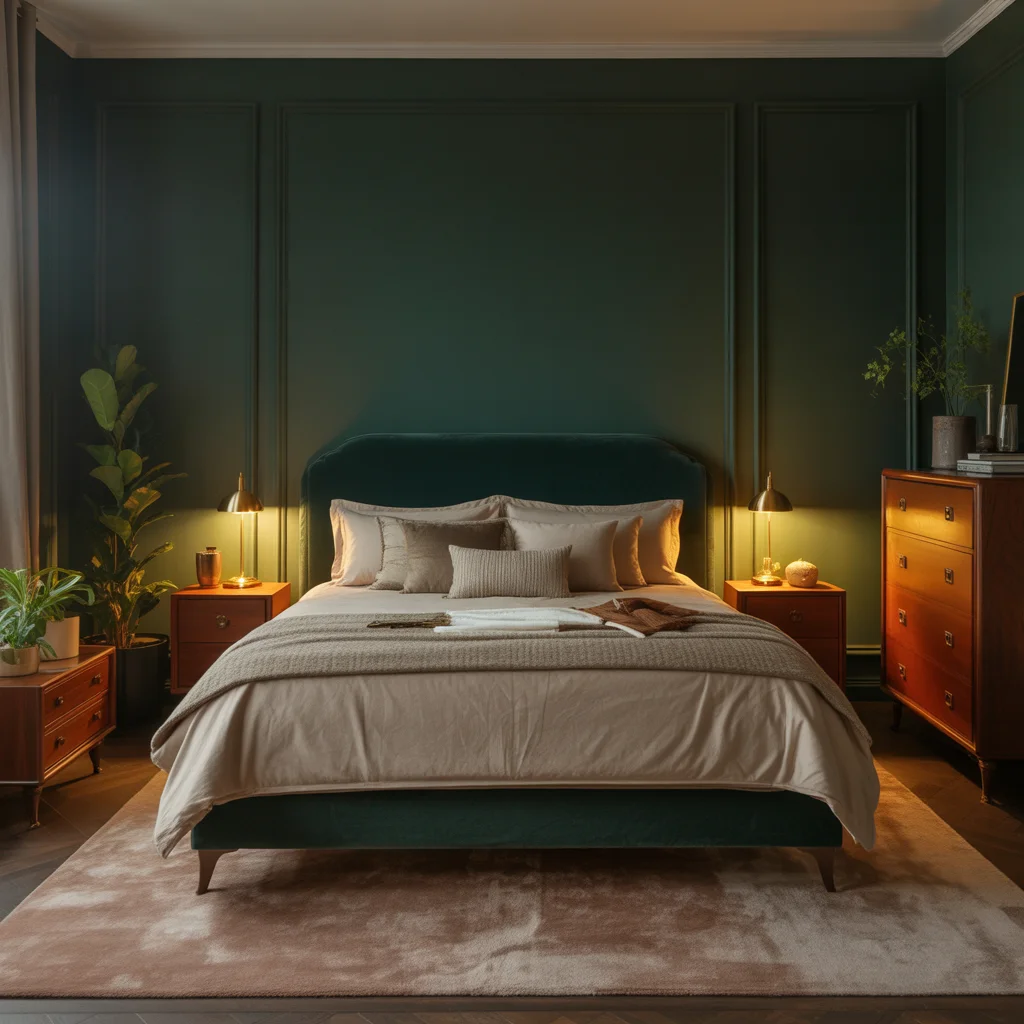
Should a small room have dark colors?
It can. A dark color on every surface blurs the corners and feels cozy, but use plenty of lighting and keep the floor and textiles a little lighter.
What furniture is best for a small room?
Pieces on legs, glass or acrylic tables, wall mounted shelves and anything with hidden storage, like an ottoman or a bed with drawers.
Final Thoughts on Small Room Design
You do not need a renovation or a new home to have a room you love. Most of these ideas cost little to nothing, just a shift in how you are thinking about the space.
Start with one or two changes. See how the room responds. Small adjustments often have a bigger impact than you expect, and you will quickly develop an eye for what your space needs next.
The best room is one that works for you, not one that looks good in photos but frustrates you every day. Keep that in mind and you are already ahead of most people.